
Valve: RAM crisis has not changed Steam Deck 2 plans
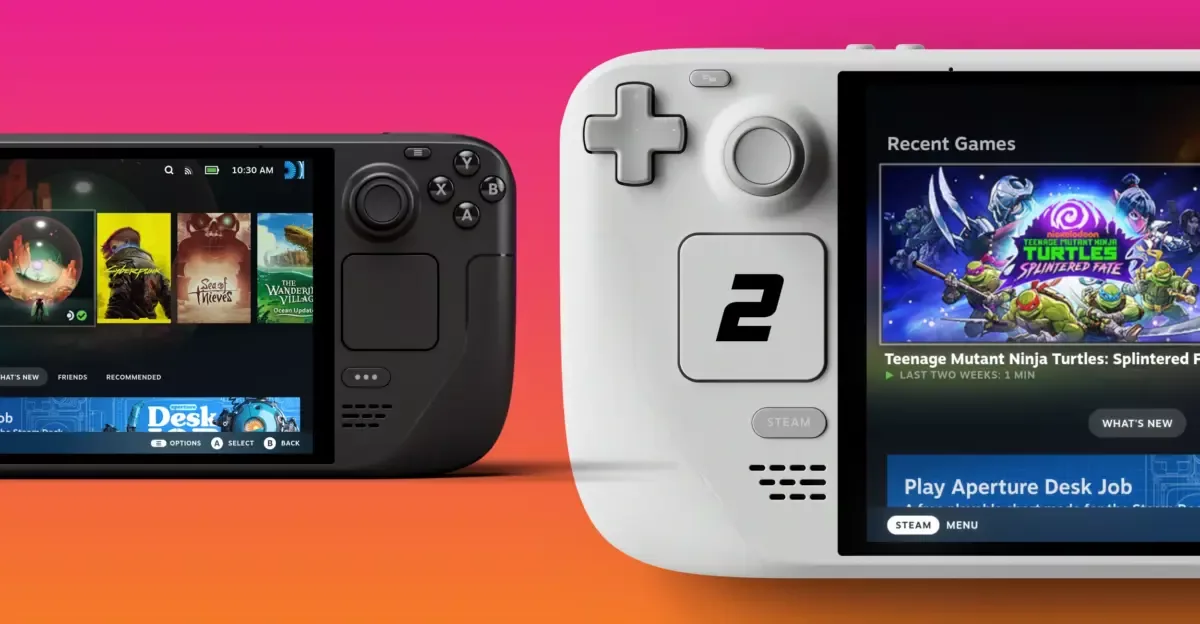
Despite the ongoing memory shortage, Valve is not shifting its strategy for its handheld platform. In an interview with IGN, developer Pierre-Loup Griffais confirmed that rising RAM prices have not altered the company's vision for the successor to the Steam Deck.
Performance leap over incremental updates
The core objective for Valve remains the same: the next-generation handheld must deliver a "very delineated performance improvement" over the current model. The company is not interested in releasing minor hardware refreshes or scaled-back versions to navigate market volatility. Instead, they are aiming for a significant leap in power that maintains the balance between performance and battery life.
However, Griffais did note that the timing of the release remains subject to market conditions. While the technical goals haven't changed, the company is monitoring the supply chain to determine "how and when" they can actually bring such a device to market. This suggests that while the roadmap's destination is set, the arrival date may fluctuate based on component availability.
The impact of rising costs
While the long-term vision remains intact, the memory crisis has already hit the current lineup. Back in May, Valve increased the prices for Steam Deck OLED models, raising the 512GB version from $549 to $789 and the 1TB version from $649 to $949. The company explicitly attributed these hikes to the increased cost of memory and storage components, rather than any hardware upgrades.
Consequently, while Valve refuses to compromise on the ambitions for Steam Deck 2, the economic reality of the semiconductor market will likely play a crucial role in its final retail pricing and launch window.
Гика
