
Steam Frame: Valve's attempt to rekindle the PCVR flame
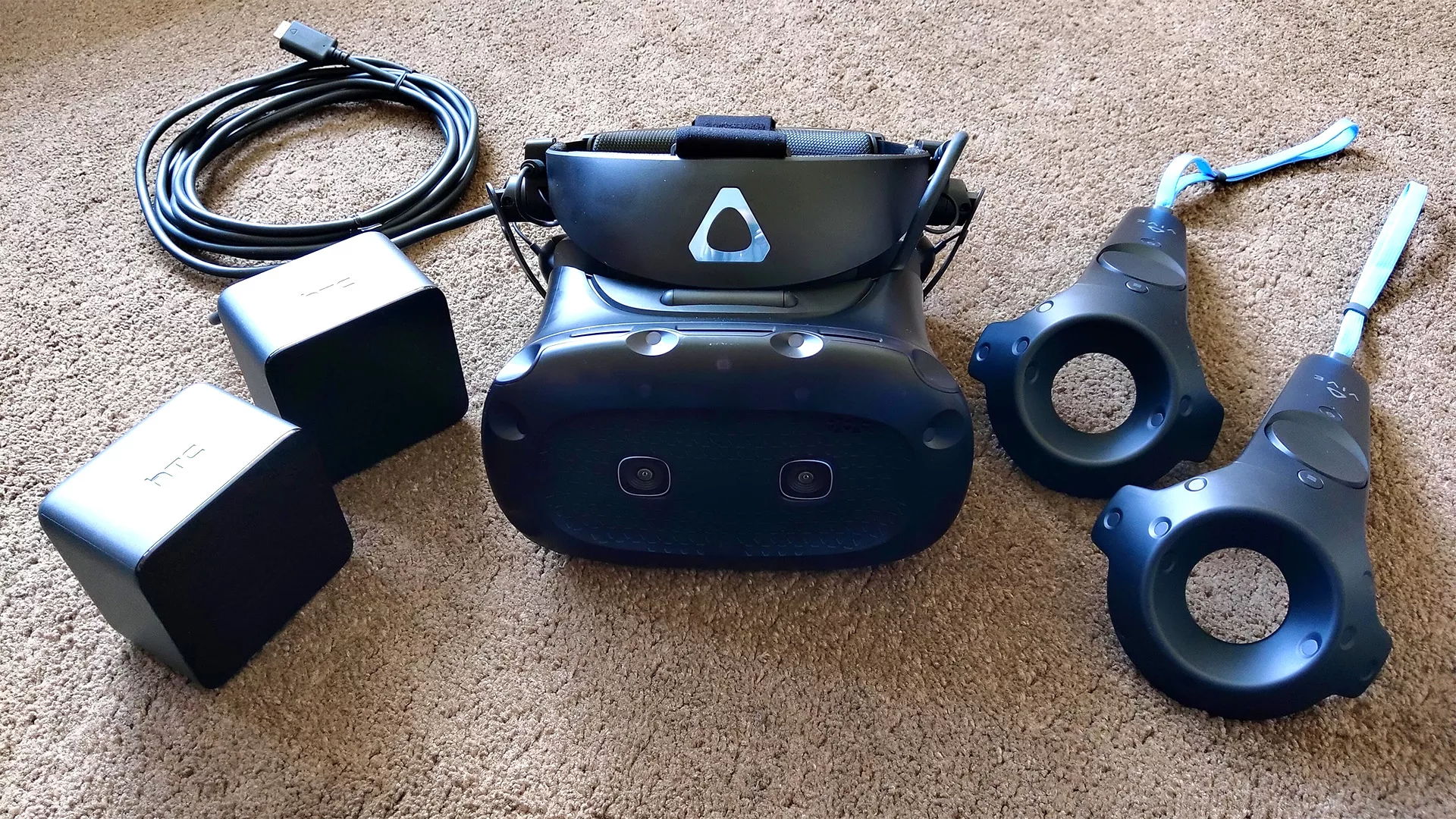
There was a time when VR was synonymous with the PC. The era of the HTC Vive and Oculus Rift saw users tethered to powerful machines, chasing the cutting edge of immersion. Then, the landscape shifted. The arrival of standalone headsets like the Meta Quest series moved the conversation toward mobility. Today, as the market for PCVR experiences faces a period of stagnation, Valve is stepping back into the ring with the Steam Frame, hoping to reignite interest in the high-fidelity world of PC-powered virtual reality.
A Market in Transition
The data paints a clear picture of a shifting industry. According to the Steam Hardware Survey from August 2026, standalone headsets—specifically the Meta Quest lineup—account for over 60% of the devices connected to PCs. Even the Valve Index, a staple of the ecosystem since 2019, is no longer the dominant force. Meanwhile, niche PCVR hardware like the Bigscreen Beyond holds a mere 1.25% market share, which is less than the original Vive.
The most concerning trend, however, is the content. Data from SteamDB reveals that the number of VR game releases on Steam has struggled to maintain momentum since its 2017 peak. In 2025, the platform saw just 481 VR releases—the lowest number in a decade and a mere 2% of all Steam releases. Compare this to 2017, when VR titles made up 15% of the platform's output. While the Quest Store has seen consistent growth in new releases since 2020, the PCVR segment appears to be losing its foothold.
Steam Frame: Bridging the Divide
The Steam Frame is designed to address this fragmentation. It is a hybrid device: a standalone headset powered by the Snapdragon 8 Gen 3 chip that can also stream high-end PCVR games via a dedicated wireless connection. Joy Lyons, a hardware engineer at Valve, describes this approach as a way to broaden and mature the market, opening the tent to more potential customers and gamers.
The Steam Frame utilizes several key technologies to expand its library: Proton, FEX, and Lepton. While Proton handles Windows games on Linux, FEX acts as an emulation layer that allows x86-designed games to run on Arm chips. Additionally, Lepton serves as a container for Android games (APK format), allowing them to run on the Arm-powered, SteamOS-based Steam Frame. Games that run well through both Proton and FEX will receive a Steam Frame Standalone Verified badge.
A Bet on the Ecosystem
Valve engineers, including Jeremy Selan, emphasize that the goal is to foster a healthy ecosystem for both gamers and developers. The Steam Frame is designed for high-quality PCVR streaming, aiming to give a new life to the ability to leverage PC computing power while enjoying a wireless experience. Valve has stated they are focusing their efforts on making partner games available rather than developing new first-party titles, a departure from the strategy seen during the Half-Life: Alyx era.
Whether this can truly reverse the downward trend of VR releases on Steam remains to be seen. While some genres, like flight or racing sims, may always require the raw power of a PC, Valve's hope is that the Steam Frame will bridge the gap between the convenience of mobile VR and the depth of PCVR.
Зануда
