
Intel reportedly cancels Nova Lake-S 12Xe desktop CPU, moves it to Razor Lake-S
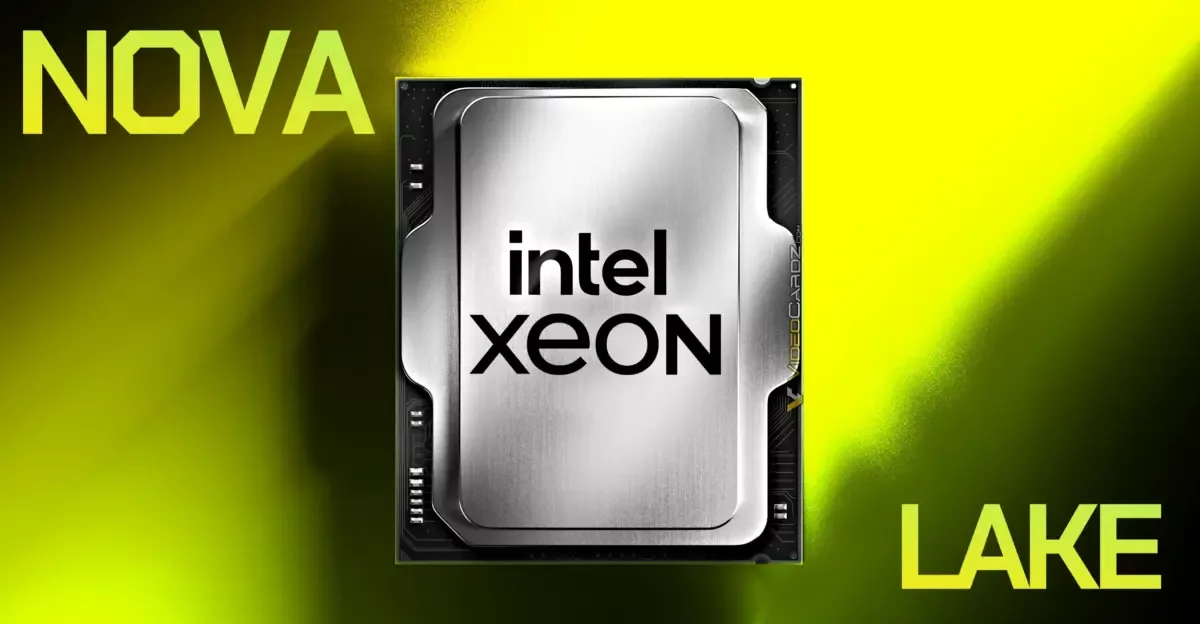
Intel might be shifting its strategy for high-performance integrated graphics in the desktop segment. According to leaker Jaykihn, the previously rumored 12-core Xe configuration for Nova Lake-S is reportedly being moved to a new family called Razor Lake-S.
A blow to Intel's desktop APU ambitions
If these reports hold true, it means the Core Ultra 400 series (based on the Nova Lake-S architecture) will lack a high-end iGPU capable of competing directly with AMD's Ryzen G-Series. Earlier leaks described a unique CPU layout: 4 P-Cores, 8 E-Cores, and 4 LP E-Cores paired with a 12-core Xe3P graphics block.
The 12Xe configuration was expected to feature a 40W PL2 power limit for the GPU, a 154W total chip PL2, and 20MB of L2 cache for the graphics unit. It was also rumored to be designed for motherboards with a specific two-phase VCCGT power delivery. It remains to be seen whether the Razor Lake-S version will retain these specific technical targets.
Impact on mobile platforms
It is important to distinguish this desktop rumor from mobile developments. Previous reports suggested that Nova Lake mobile processors featuring 12 Xe cores might support replaceable DDR5-8000 CSO-DIMM memory. Since those reports focused on mobile systems, the shift of the desktop variant to Razor Lake-S does not necessarily impact the mobile roadmap, though it does suggest a narrowing of high-performance graphics options for the desktop 400 series.
Гика
