
Sega cancels 'risky' Super Game project
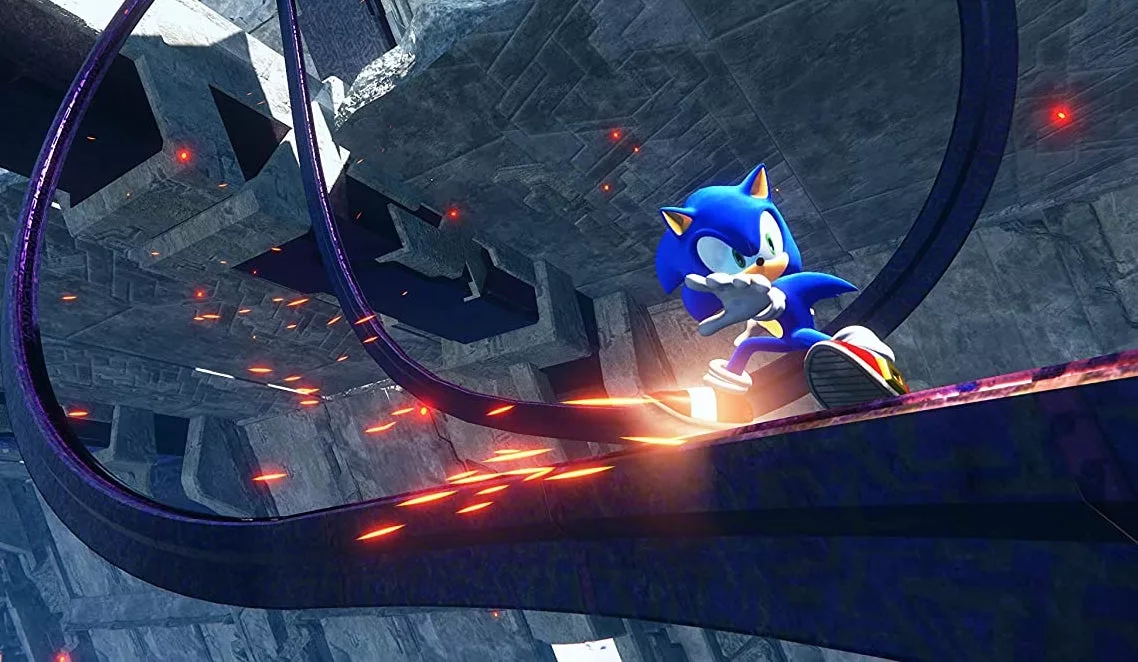
Sega has confirmed the cancellation of its ambitious "Super Game" live-service project, stating that pursuing the initiative at the current moment would be "too risky" for the company's operational scale.
The project, first announced in 2021, was envisioned as an "online AAA global hit" designed to transcend traditional gaming frameworks. Sega previously indicated it might invest nearly $1 billion in internal development and acquisitions to achieve this goal. However, in a recent interview with Nikkei, President and COO Shuji Utsumi explained that the company realized it "would have to grow enormously to match the scale of the service," leading them to recognize the significant challenges involved.
Utsumi acknowledged that Games as a Service remains a critical area for the industry. "If we can successfully roll out an IP we created from scratch on a large scale globally, the rewards would be immense," he noted. The company initially hypothesized it possessed the necessary technology to pursue this, but further analysis revealed that the required scale of investment and operations was too vast for their current capabilities. Consequently, taking into account the global situation, Sega determined that halting development was the prudent course of action.
Despite the cancellation, Utsumi emphasized that Sega still believes there is a business opportunity in live-service games and will continue to pursue this sector. The company remains active in the market with titles such as Phantasy Star Online 2: New Genesis, Sega Football Club Champions 2026, and Total War: Warhammer 40,000 from Creative Assembly. The latter is expected to enter closed beta testing this year and is designed as a Games as a Service-style title that will continuously expand its game world after launch.
The decision follows a difficult history with live-service projects for the publisher. Sega previously incurred a loss with Hyenas, a Creative Assembly title that was cancelled in 2023 due to structural reforms and a rapidly changing business environment. This move aligns with broader industry trends where several studios and platform holders have faced challenges operating live-service games and maintaining recurring revenue. While some companies like Tencent continue to view live-service as a core strategic priority, Sega is now recalibrating its approach to match its current operational scale.
Флешка
