

Phasmophobia 0.18: How Willow Street Changes Investigation Pacing
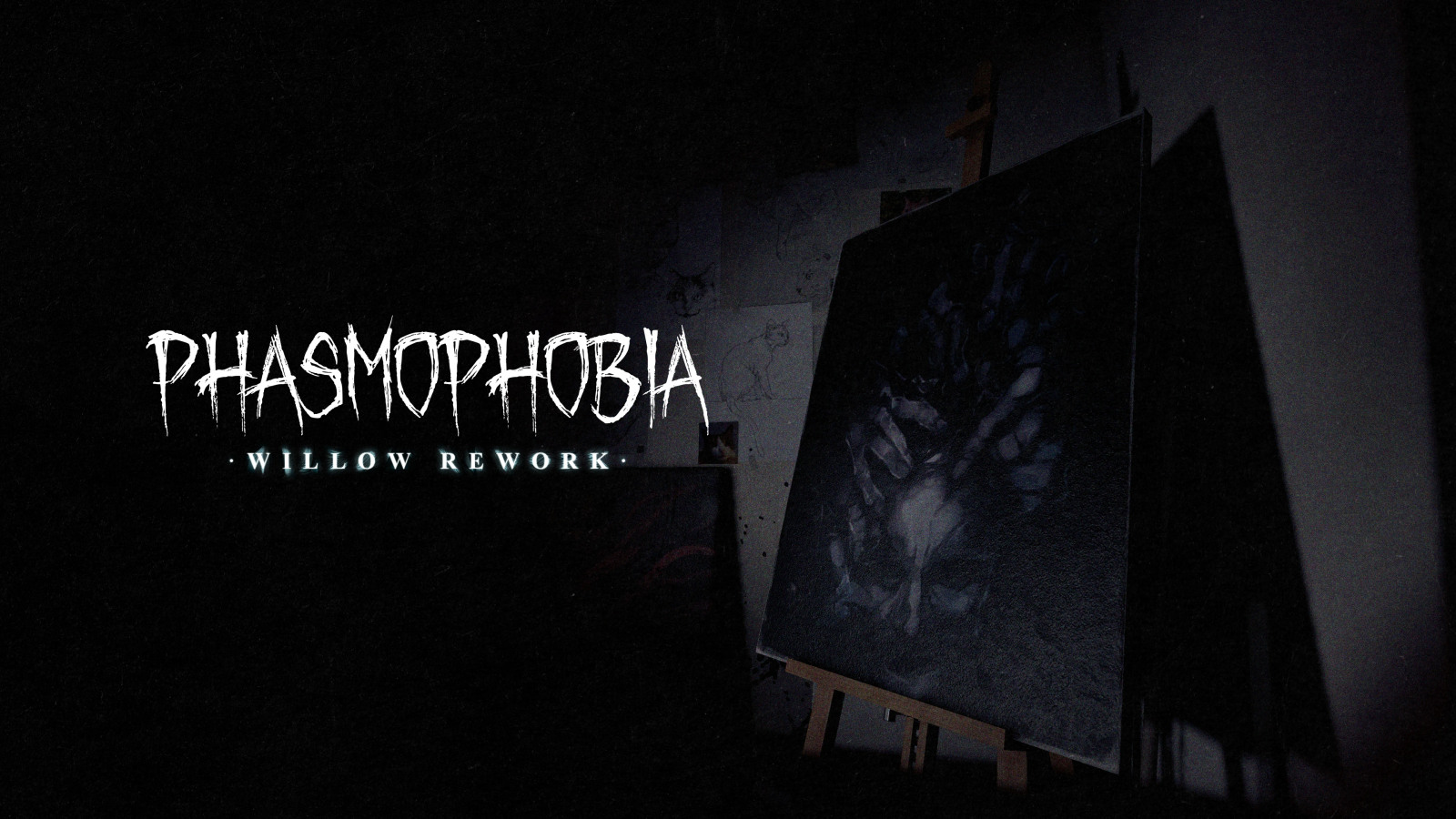
Phasmophobia 0.18.0.0 combines the reworked 13 Willow Street with the first part of a broad Quality of Life package. Kinetic Games retained an almost identical house layout while redesigning rooms, lighting, objects, and interface behavior. The familiar map consequently demands renewed attention without erasing a veteran's sense of direction.
Why Retain Almost the Same Layout
Small maps are valued for how quickly players can read them. A complete rebuild would turn Willow Street into an unrelated location and discard skill earned across hundreds of investigations. Retaining the key spaces preserves the mental map while new visual landmarks and interactions interrupt habit.
That approach changes difficulty gently. Players still know where to find the basement or exit, but altered dressing prevents complete autopilot. Tension returns through the need to inspect a familiar house carefully rather than through an artificial increase in floor area.
Fewer Animations, Faster Evidence Loops
First-person hand animations for grabbing, dropping, moving doors, and hovering over interactable objects were removed to speed up play. Other participants still see the drop animation, preserving multiplayer context while the acting player waits less for a visual gesture to finish.
A Use animation can now be cancelled by pressing Use again. That matters when equipment must be toggled quickly, especially if a hunt begins earlier than expected. The speed increase does not automate evidence; it shortens the delay between decision and action while leaving the risk of that decision intact.
Keybinds, Journal, and Readability
On PC, number keys 1 through 4 select inventory slots. The Journal sits closer to the camera and Eye Adaptation reacts faster when it opens or closes. Console players may disable Eye Adaptation. Together these changes reduce friction with the interface, especially in dark rooms.
A speaking icon on the Player ID Card reveals whose microphone is active. That is more than decoration in a game where voice supports coordination and interacts with some systems. A quick channel check prevents communication trouble from being misread as a missing response.
Changes to Evidence Collection
An Obake shapeshift now counts toward the Ghost video objective. Apocalypse accepts any Media rather than only a photograph. In the Tutorial, Ghost Orbs must be recorded instead of merely appearing within the camera's display.
The common direction is clearer separation between seeing an event and properly recording evidence. Objectives become more consistent with one another. Players must still place equipment correctly and survive dangerous moments, but rewards depend less often on an obscure technicality.
More Than a Cosmetic Remaster
Willow Street remains a compact learning ground, but it now represents modern Phasmophobia more clearly through denser spaces, better visibility, and fewer unnecessary delays. Familiarity allows every change to be felt directly by comparing old routes with new ones.
This is not the entire Quality of Life program; Kinetic Games plans its second part for late August. The first part already establishes a priority: accelerate operations that the player has chosen without accelerating the investigation itself or removing uncertainty from the ghost. Sources: Kinetic Games; Phasmophobia Patch Notes.
Аналитика MBG
