
Nvidia RTX Spark N1X Launches in October
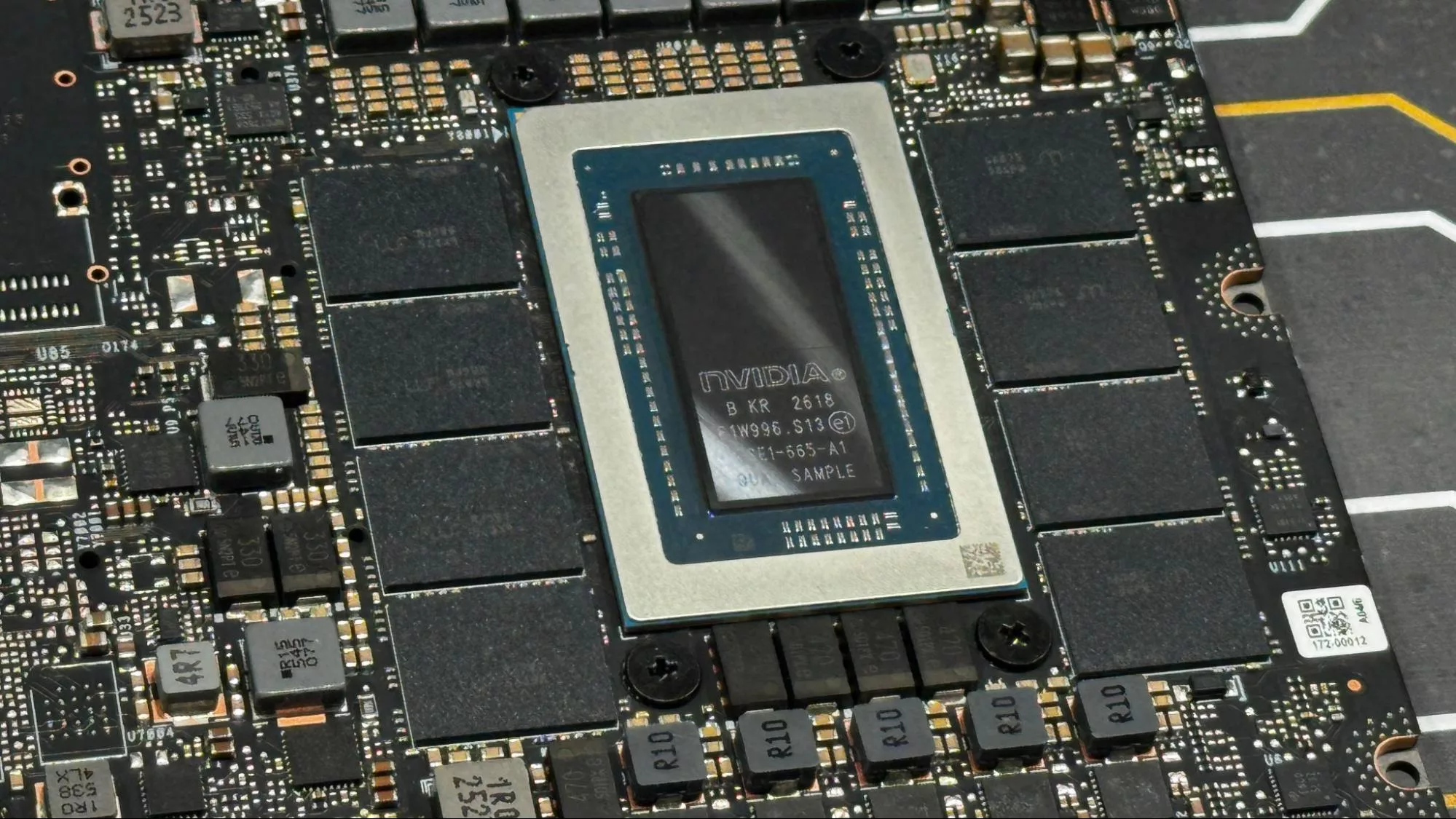
Nvidia has officially confirmed that its RTX Spark platform, built around the N1X chip, will launch in October for both laptops and desktops. The announcement clarifies two distinct configurations, each pairing an Arm-based "Grace" CPU with a "Blackwell" GPU and a shared pool of unified memory, a design approach that mirrors the architecture seen in Apple’s M-series chips and AMD’s recent Arm-based mobile processors.
The more powerful configuration combines a 20-core Grace CPU with a 6,144-core Blackwell GPU. This variant is available in both laptop and mini PC form factors and supports between 24 and 128GB of unified memory. The second configuration is more constrained, featuring an 18-core Grace CPU and a 5,120-core Blackwell GPU. This version is limited to laptops and offers a smaller memory range of 24 to 32GB of unified memory.
The shift to a unified memory architecture is a significant technical departure for Nvidia in the consumer and prosumer space. By sharing a single memory pool between the CPU and GPU, the N1X aims to reduce data transfer latency and improve efficiency for workloads that heavily utilize both processing units, such as local AI inference and creative applications. This approach is similar to the one popularized by Apple in its M-series chips, including the recently announced M6 and M5 Ultra, which also utilize an Arm instruction set. On the x86 side, AMD’s Strix Halo and the upcoming Gorgon Halo also employ unified memory, indicating a broader industry trend toward integrated compute and memory designs for mobile and compact desktop systems.
The launch of the RTX Spark also marks a notable change in the Windows on Arm ecosystem. Until now, Qualcomm has held exclusivity on Windows on Arm silicon for major OEMs. The introduction of Nvidia’s N1X breaks this exclusivity, bringing a major new silicon vendor into the ecosystem. This could lead to increased competition and potentially more partnerships from application developers who are eager to leverage Nvidia’s CUDA tools and AI frameworks on Arm-based Windows devices.
Acer and Lenovo have already announced new Spark systems at IFA, signaling that OEMs are preparing to ship these devices in line with Nvidia’s October launch timeline. While Nvidia has provided core counts and memory specifications, many other details remain unspecified, including clock speeds, power consumption, and specific performance benchmarks. However, with the chip launching next month, further details are expected to emerge from Nvidia or its OEM partners in the coming weeks.
The timing of the launch also raises questions about software readiness. Microsoft’s Agent Framework, which allows AI agents to run in the background under the control of the operating system, is expected to be integrated into Windows. It remains to be seen if this framework will be fully ready by the time RTX Spark devices hit the market. Additionally, the availability of Linux support at launch is a point of interest for developers and enthusiasts, as the N1X chip is already available in some form and ships with Linux support in certain configurations. Whether laptop form factors will offer the same level of Linux support at launch is yet to be confirmed by OEMs.
The RTX Spark platform represents Nvidia’s continued push into the Arm-based compute market, challenging established players and expanding its ecosystem beyond traditional x86 GPUs. As the October launch approaches, the focus will likely shift to real-world performance, software compatibility, and the extent to which Nvidia can differentiate its N1X chip in a crowded market of Arm-based processors.
Гика
