
NVIDIA RTX 50-Series GPUs Could See Another 20-30% Price Hike in 2026
Taiwanese publication Economic Daily Times reports that NVIDIA is preparing a third price increase for the GeForce RTX 5000 series in 2026, affecting both flagship and mid-range models.
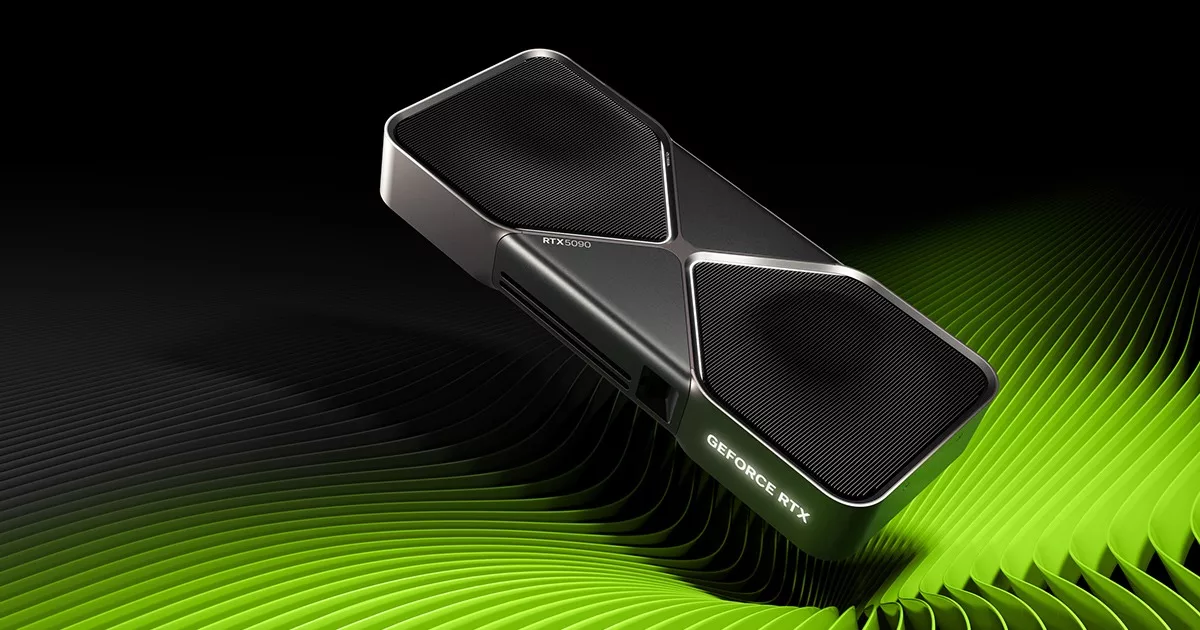
As we move into the second quarter of 2026, the GPU market is bracing for another surprise. According to Economic Daily Times, NVIDIA is preparing a third price hike for its consumer graphics cards this year. This time, the increase is expected to affect not just the high-end flagships, but the entire GeForce RTX 5000-Series lineup, including mid-range models.
A Third Price Hike in 2026
The report indicates that NVIDIA is planning another significant jump in prices for retail consumers. This marks the third price increase in 2026, driven by the ongoing boom in artificial intelligence and the resulting strain on the DRAM supply chain.
It's important to note that while previous hikes primarily targeted OEM partners (laptop and workstation manufacturers), this pressure is now trickling down to the retail market. Experts suggest that the cost burden will be spread across the whole lineup, but high-end GPUs like the GeForce RTX 5090 SE may see steeper increases since memory makes up a larger portion of their Bill of Materials (BOM). However, even mid-range cards could face a 20–30% price jump.
Impact on the Market
Analysts warn that repeated price hikes could have a chilling effect on the overall PC market. A decline in hardware sales of 10–20% is expected. Paradoxically, despite lower volume, vendor revenues might still increase due to higher profit margins per unit sold.
What This Means for Buyers
For enthusiasts and gamers, this news is not welcome. If you were planning an upgrade soon, expect models like the RTX 5060 Ti or RTX 5070 to become significantly more expensive. Meanwhile, top-tier solutions are already pricey, but their cost could rise even further due to the high memory content.
This price surge is directly linked to a global shortage of GDDR7/GDDR6 chips driven by AI industry demand. Until manufacturers find a balance between data center needs and consumer gaming requirements, prices are likely to remain elevated.
Гика
