
NVIDIA May Raise Prices on GeForce GPUs with GDDR7 and GDDR6
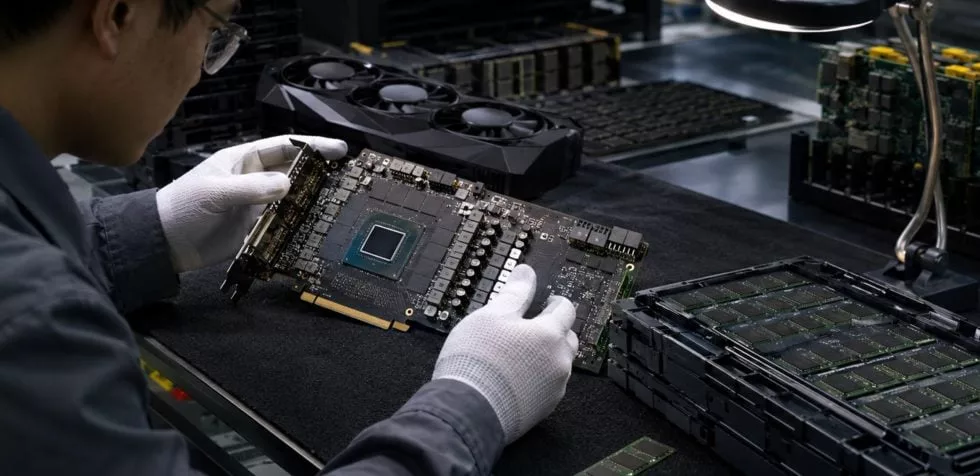
The critical question is the scope: if price hikes were limited to GDDR7, enthusiasts could pivot to more affordable GDDR6 models. However, reports suggest that GDDR6 kits are also under pressure. This is significant because many budget and mid-range cards still rely on GDDR6. If kit costs rise for both memory types, consumer alternatives shrink.
AIB partners are caught between two fronts: rising costs from NVIDIA and memory suppliers versus highly price-sensitive end-users, particularly in the mainstream segment. Previously, Tom's Hardware reported significant price increases for RTX 50-series cards in China from vendors like MSI and Colorful. While not definitive proof of a global wave, this serves as an indicator of how strained supply chains currently are.
The situation is compounded by memory becoming a strategic bottleneck. AI servers and large-scale contracts are absorbing significant manufacturing capacity, leaving fewer resources for the traditional gaming market. If expanding memory on models like the RTX 5070 or RTX 5080 becomes prohibitively expensive due to GDDR7 chip costs, it directly impacts the final product price.
It is important to note that a higher kit cost does not guarantee an immediate price hike for every card in stores. Existing inventory, regional stockpiles, and competitive pressure may dampen retail prices in the short term. However, the trend is clear: if costs for GPUs and memory rise while demand from AI centers remains high, manufacturer margins will compress, inevitably reflecting in consumer prices.
Гика
