

NVIDIA details DLSS 5: three models, per-object controls and single-GPU support
NVIDIA has revealed new details about DLSS 5, including three distinct models and the ability to control effects for individual objects. The technology is scheduled to ship this fall.
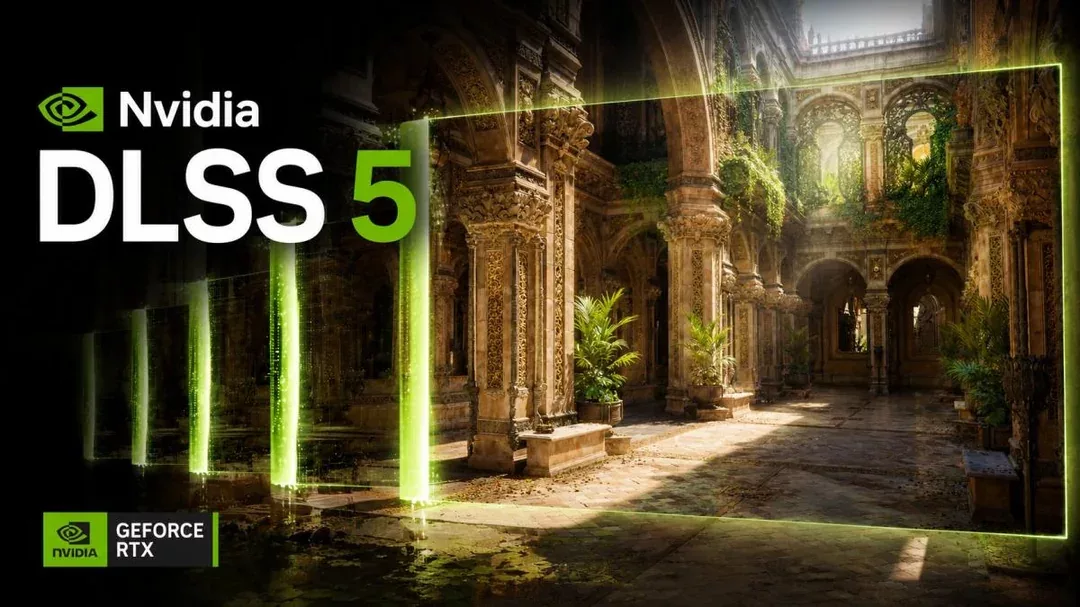
NVIDIA has unveiled further details on DLSS 5, demonstrated at SIGGRAPH. The company confirmed that the technology includes three models that developers can select separately for different scenes or characters. It also confirmed support for running DLSS 5 on a single GPU without requiring specialized multi-GPU setups.
Key Changes and Capabilities
The main innovation lies in flexibility. Developers will be able to apply different models to individual objects, characters, or entire scenes. This addresses the "artificial" look that drew criticism from the community upon DLSS 5's initial announcement.
NVIDIA demonstrated tools for automatic masking: the model can identify a character and apply effects only to them, leaving the environment untouched. Separate intensity controls are available for structure (details like reflections) and tone (lighting, colors). Developers can create additional masks within the game engine for specific props, such as bottles or bunches of grapes.
Technical Features
DLSS 5 adds a generative stage after the frame is rendered. The original renderer defines geometry and lighting, while DLSS 5 improves materials, shadows, and reflections. The technology operates causally—processing one frame at a time without relying on future frames—which ensures an immediate response to player input and reduces image "shimmering".
To preserve artistic intent, NVIDIA uses engine data (albedo, surface normals) and internal buffers. Performance is ensured by distilling knowledge from larger models into a more compact diffusion transformer.
Release Date
The DLSS 5 technology is scheduled to ship this fall. NVIDIA continues to refine the tools based on feedback from developers and artists.
Гика
