

Motherboard Production Costs Rise 10% as PCB Prices Jump 50%
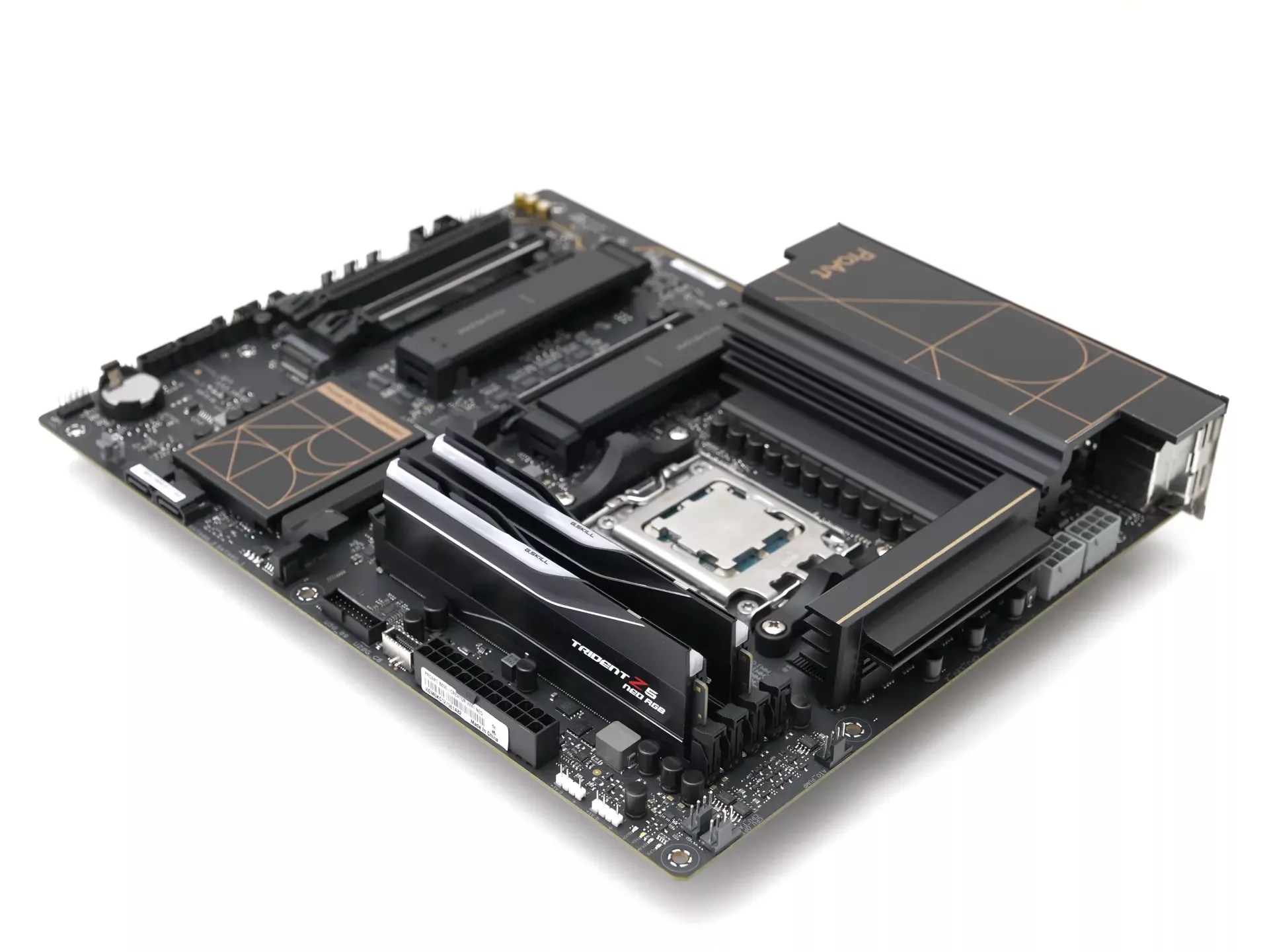
According to a report from Board Channels, motherboard manufacturing costs have risen by at least 10%, driven primarily by a surge in printed circuit board (PCB) prices that reached up to 50% depending on the board type. While manufacturers applied an average retail price increase of only 3% in August, the gap between production costs and consumer pricing suggests that further increases are likely in the coming months.
The report identifies PCBs as the primary driver of the cost escalation, with price hikes ranging from 15% to 50% across different board categories. Other components have also seen significant price adjustments: capacitors have increased by approximately 50%, while Wi-Fi modules have risen by 10% to 20%. Because these component costs are embedded in the base manufacturing price before additional logistics and production expenses are factored in, the final impact on retail prices is expected to exceed the modest adjustments seen in August.
August price increases were not uniform across the industry. MSI raised prices across its entire product lineup, whereas ASUS and Gigabyte focused their adjustments on high-volume models. The average 3% increase applied by manufacturers falls well below the 10% rise in production costs, indicating that companies temporarily absorbed a portion of the financial burden. However, industry reports suggest that this absorption is unlikely to continue, with ASUS, Gigabyte, and MSI reportedly preparing further price adjustments for the third quarter.
The timing of these cost increases coincides with Intel's transition to the new LGA-1954 socket for the Nova Lake-S platform. New socket generations typically require more complex PCBs with a higher number of layers, which are particularly exposed to the current surge in PCB costs. This structural shift means that upcoming high-end boards and those supporting new platforms will likely face the most significant price pressure.
It is important to distinguish between confirmed data and unverified information. The rise in component costs is confirmed by the Board Channels report. However, the exact magnitude and timing of future retail price increases have not been officially confirmed by motherboard manufacturers. For consumers, the practical implication is that motherboard prices, particularly for high-end products and new platform launches, are likely to rise further in the near term.
Гика
