

Lenovo AeroBlade Concept: Fanless 1.8-lb Laptop & Rollable Screen
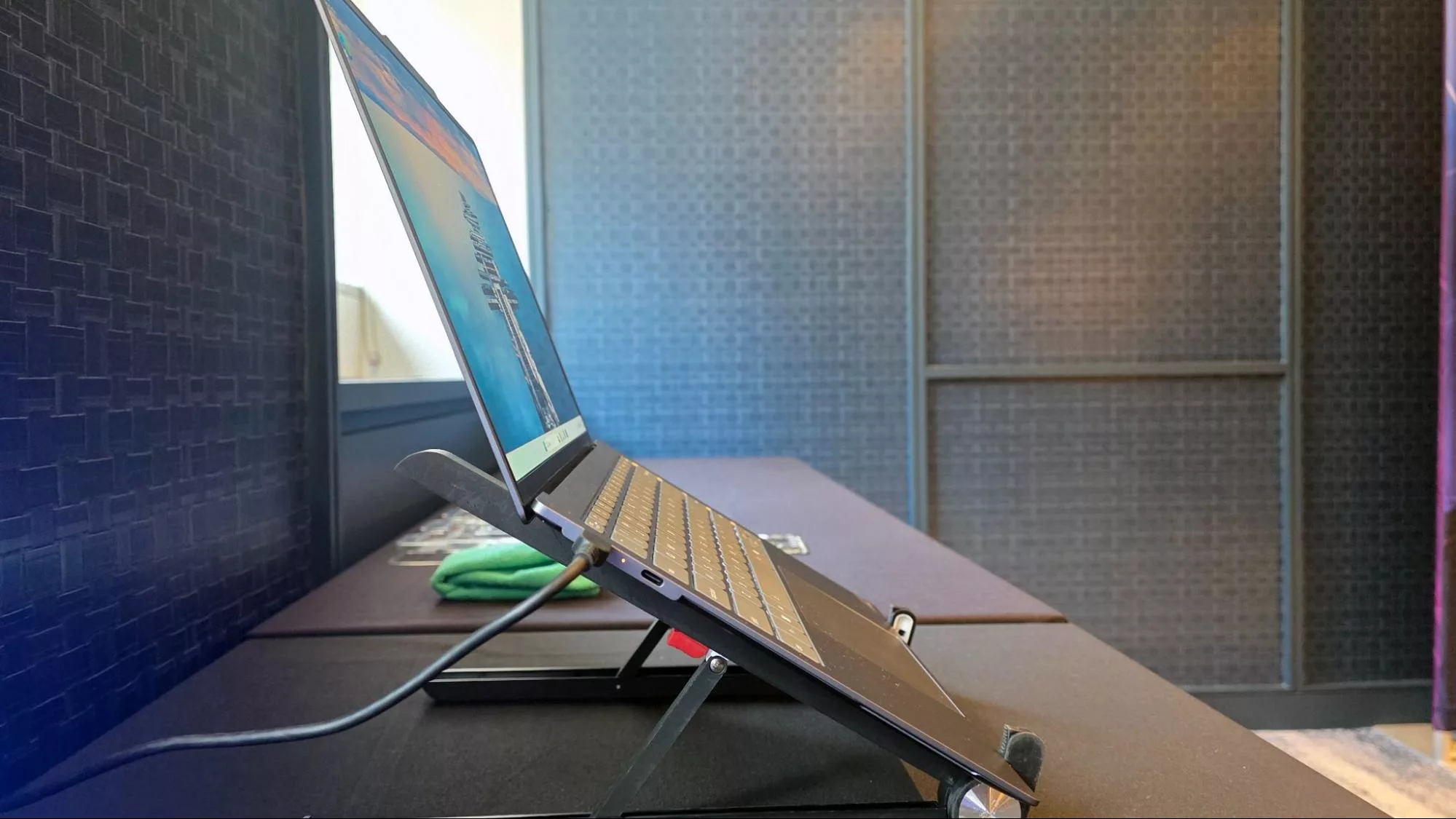
Lenovo presented two concept laptops at IFA 2026: Project AeroBlade, a 1.8-pound ultrabook using solid-state cooling, and Project Swan, a 14-inch notebook with a rollable screen that expands to 17 inches.
Both devices are concepts rather than retail products, but they target specific pain points in the ultrabook category: thermal management without fans and screen real estate without sacrificing portability. Lenovo has a history of bringing experimental hardware to the Berlin trade show, and this year’s pair feels closer to production-ready designs than many previous concepts.
Project AeroBlade: Solid-state cooling in a 10 mm chassis
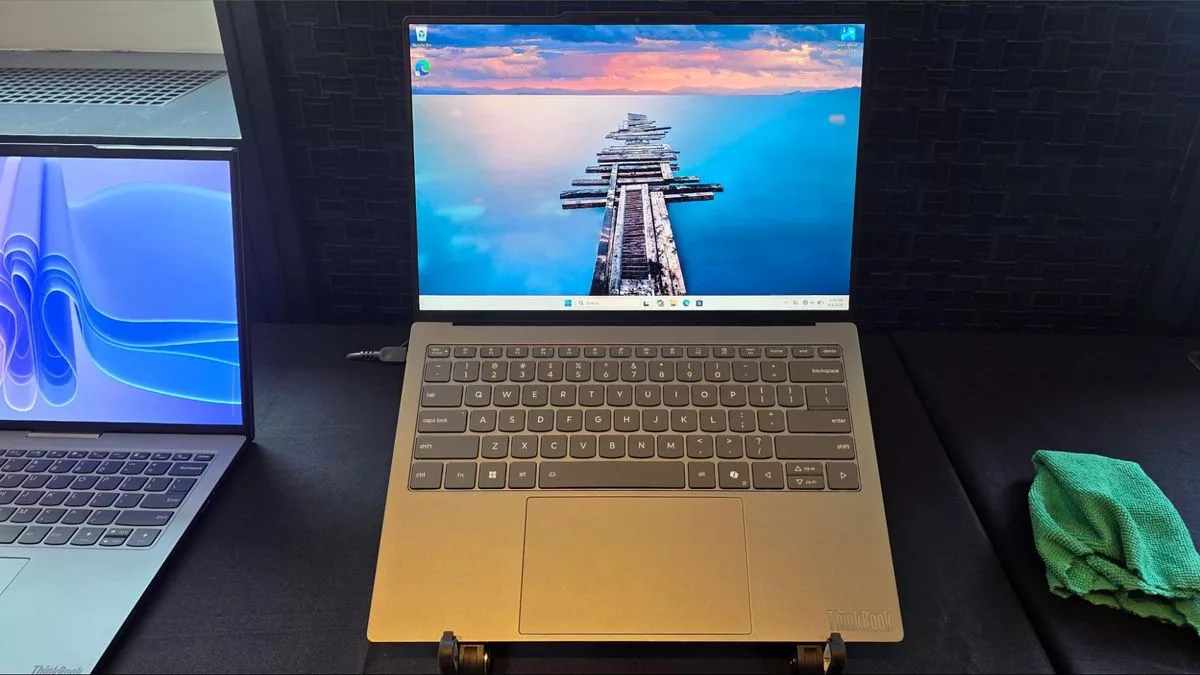
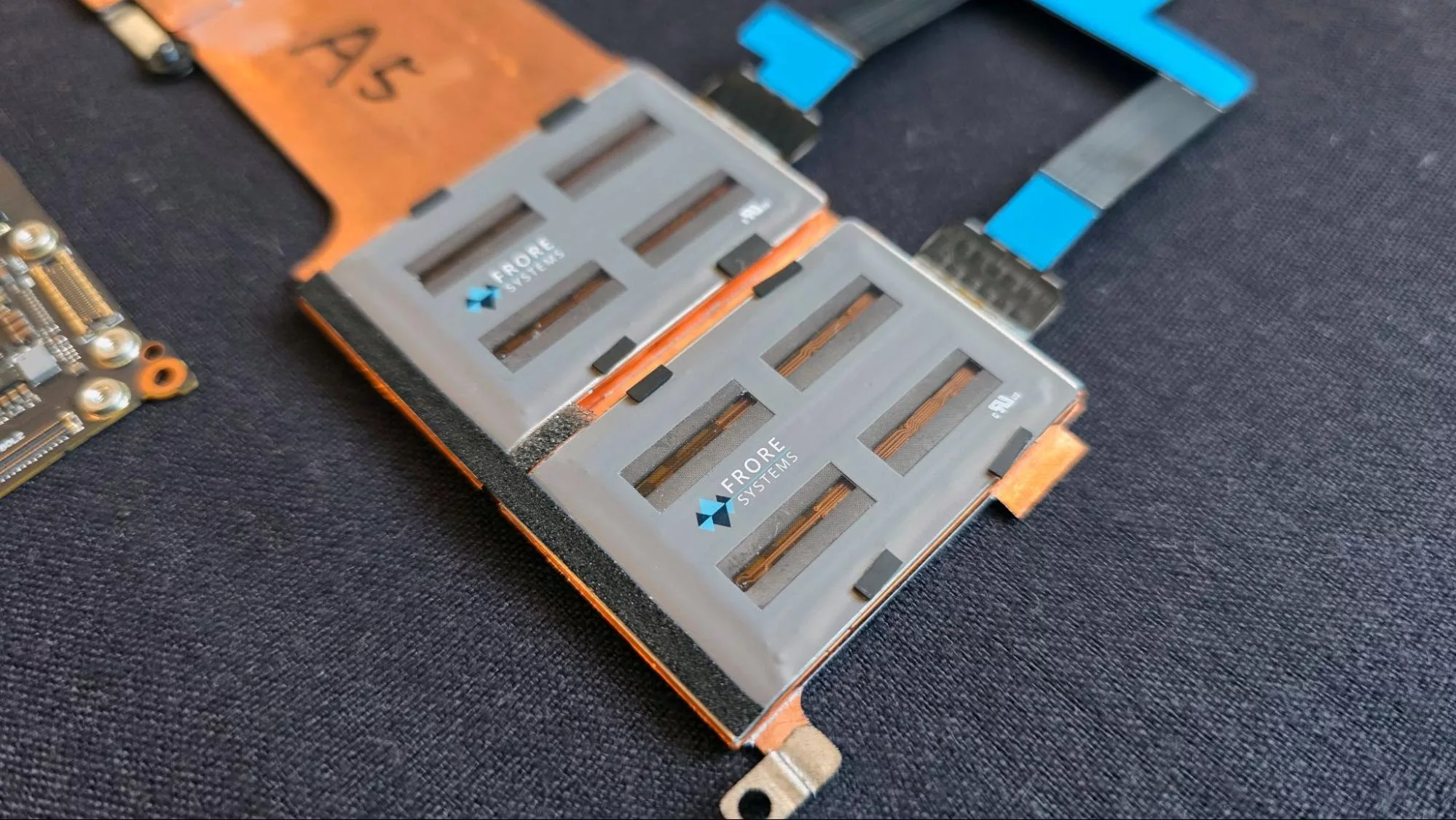
The first concept, Project AeroBlade, is a 14-inch laptop that eliminates traditional fans entirely. Instead, it uses Frore Systems AirJet solid-state cooling technology. This system relies on piezoelectric membranes that vibrate ultrasonically—beyond the range of human hearing—to move air and dissipate heat. The laptop integrates four AirJet Mini modules, a significant increase from the single module seen in Intel’s Wildcat Lake reference design at Computex earlier this year.
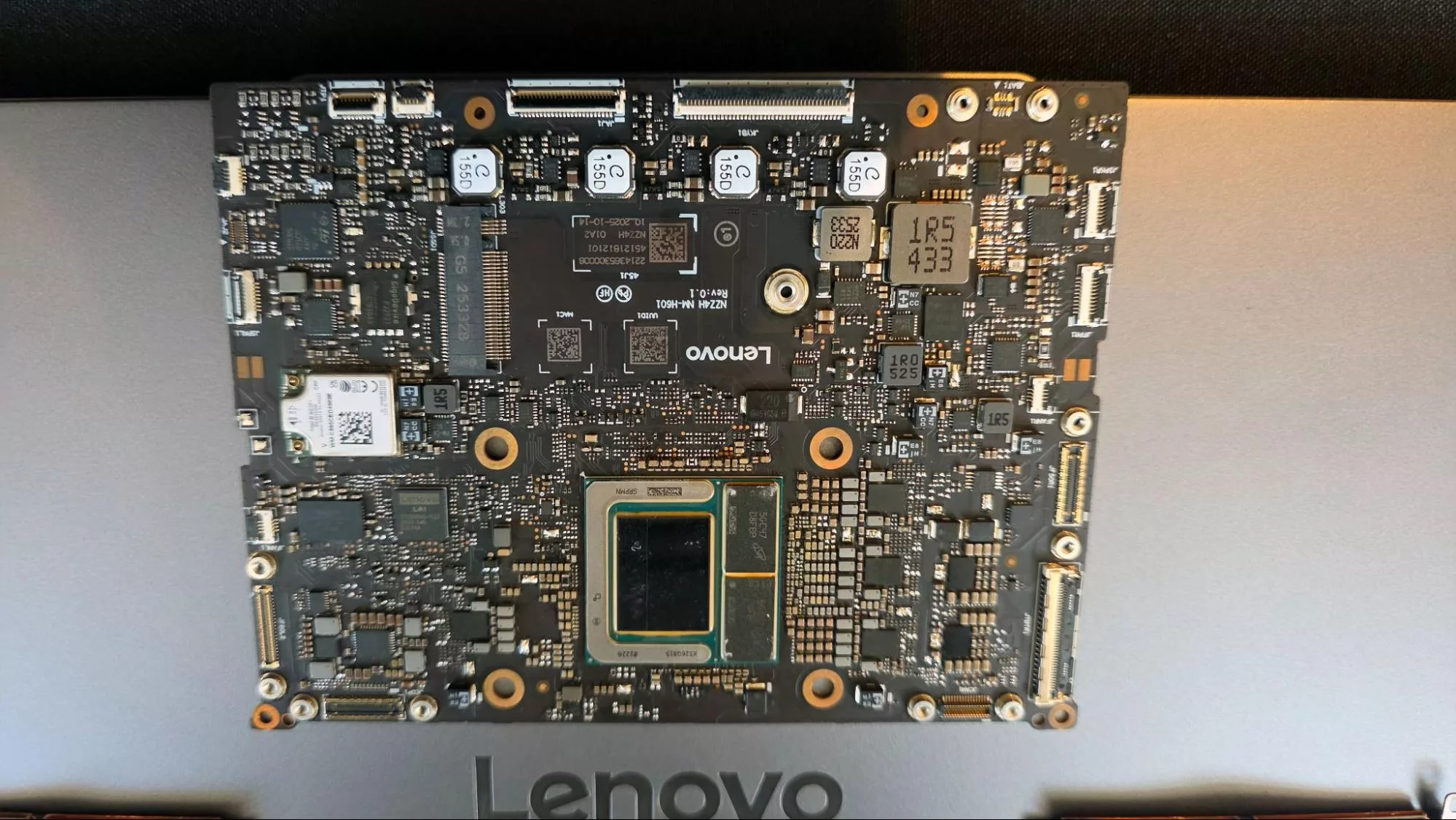
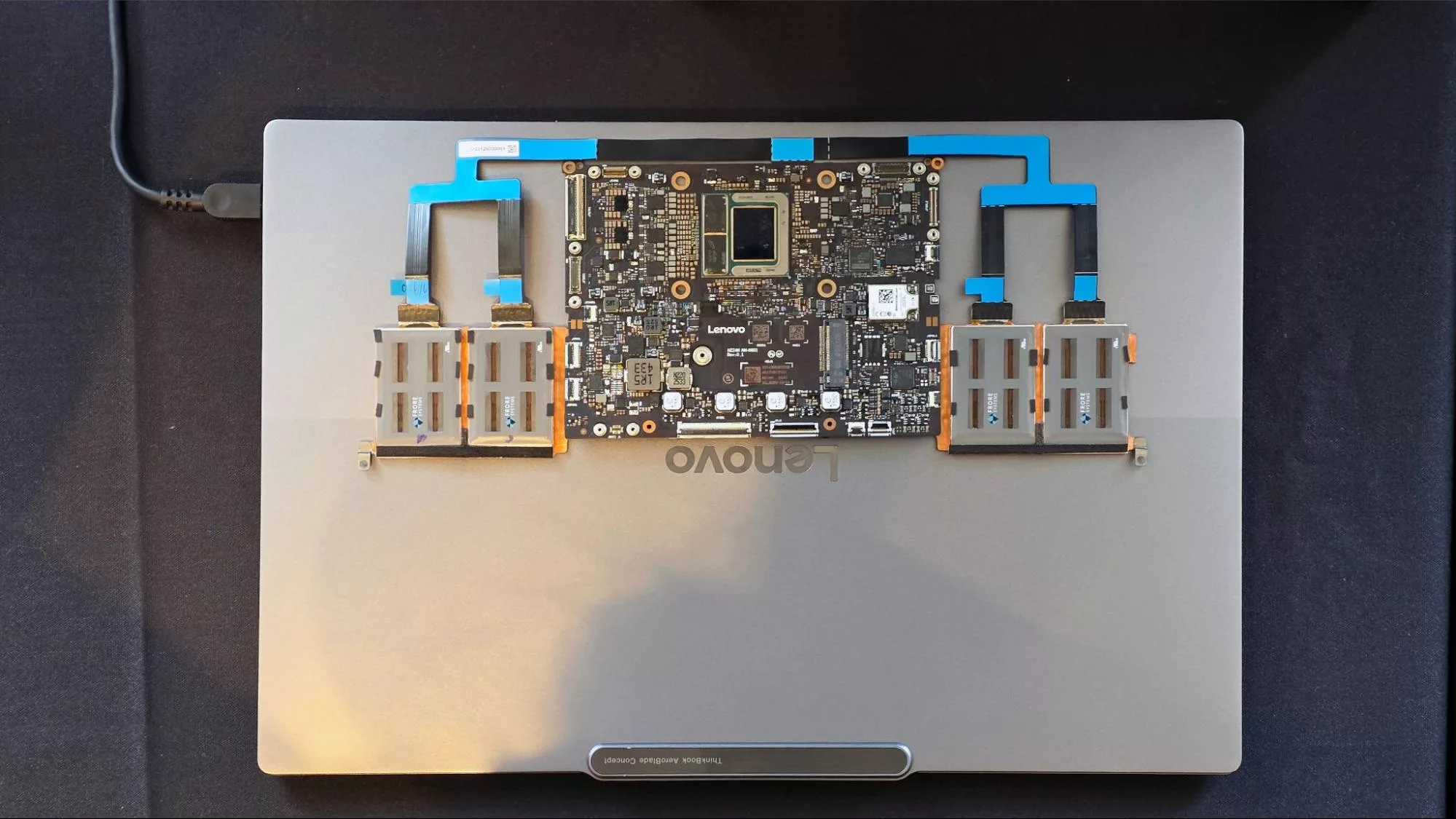
Each AirJet Mini module is rated to dissipate 7.5 watts of heat, giving the AeroBlade a total active heat dissipation capacity of 30 watts. This thermal envelope pairs with Intel Lunar Lake silicon, which has a TDP range of 17–30 watts. The company notes that newer Wildcat Lake chips, rated from 15–35 watts, should also perform reasonably well with a similar solid-state cooling setup. The increased number of modules suggests better sustained performance compared to passively cooled devices that rely solely on heat spreaders.
The physical design is extremely compact. The laptop measures just 0.39 inches (10 mm) in thickness and weighs less than 1.83 pounds (830 grams). This slimness is achieved through a tiny motherboard and a magnesium-aluminum frame. The trade-off for this thinness is a limited port selection: the device features only three USB-C/Thunderbolt 4 ports. It also includes an OLED display and Wi-Fi 7 connectivity.
While the concept uses Lunar Lake, Lenovo acknowledges that a retail version would likely ship with more modern processors. The design’s thermal headroom and compact form factor make it a candidate for future Intel architectures like Wildcat Lake or Panther Lake, though no specific timeline or product name has been announced.
Project Swan: A rollable 17-inch display in a 14-inch body
The second concept, Project Swan, focuses on expandable screen real estate. It is housed in a standard-looking 14-inch ThinkBook chassis but features a rollable OLED display. When activated, the screen expands from 14 inches to 17 inches with a 16:9 aspect ratio. The resolution is 2850 x 1672 pixels. Tom’s Hardware notes that this is not a perfect 16:9 ratio, likely because a small portion of the rollable display remains off the visible screen area in this concept design.
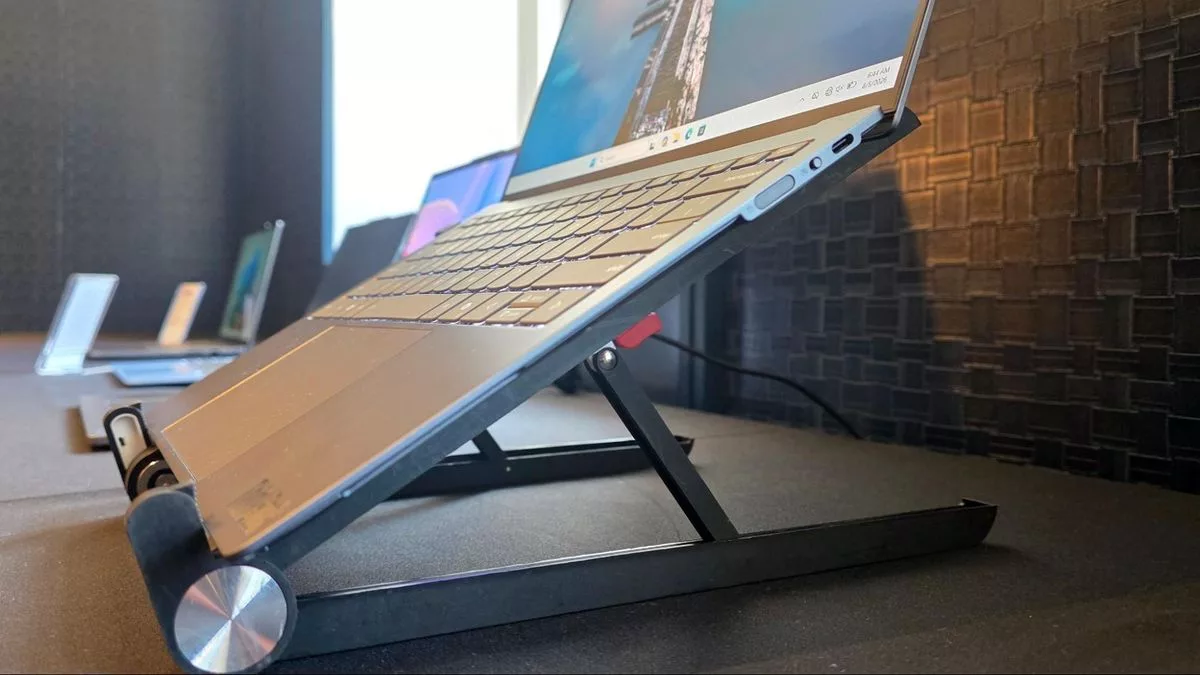
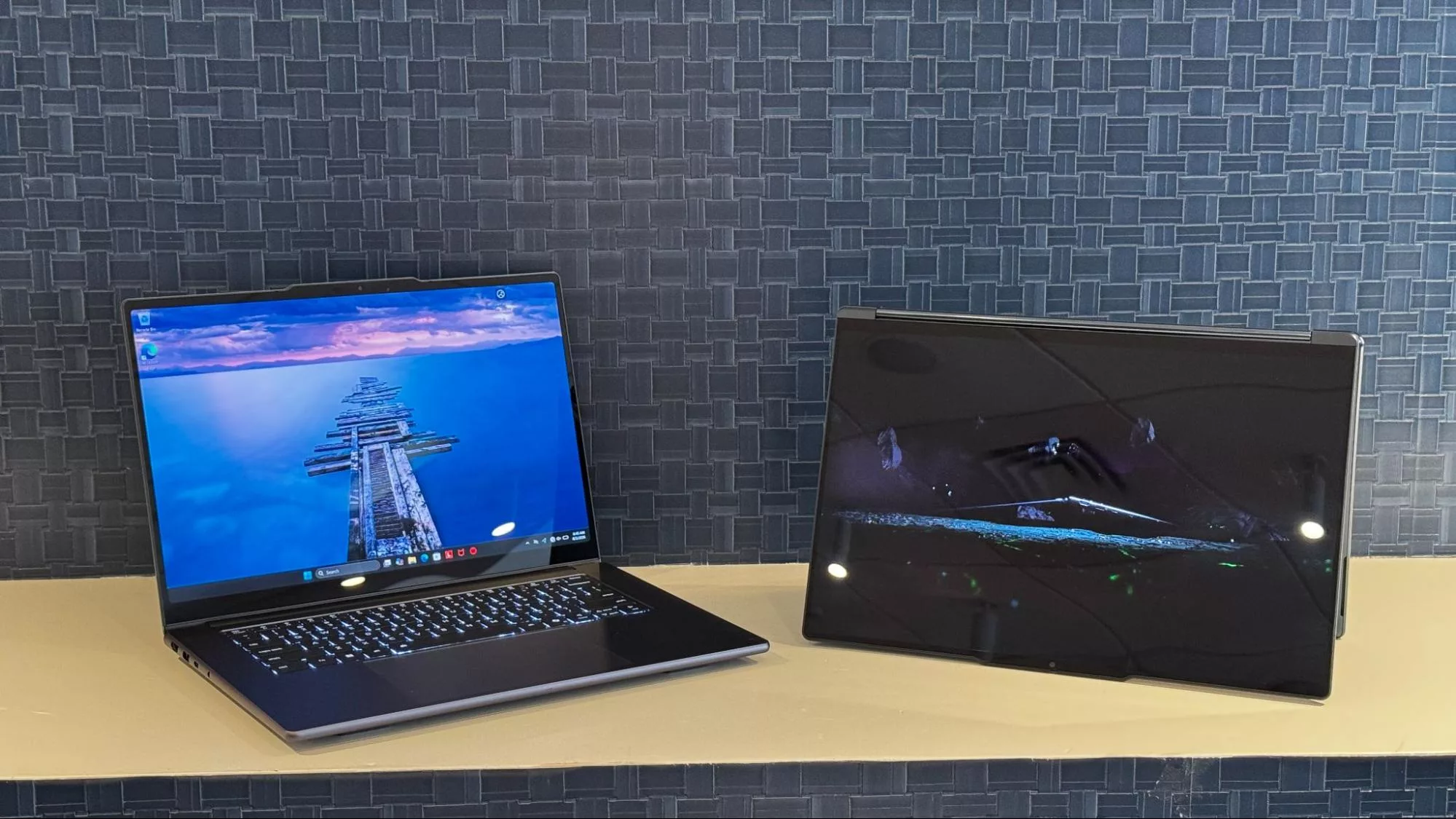
The mechanism is controlled by a button press. The extra bulk required for the rollable display mechanism and expanding bezels results in a thicker and heavier device compared to standard ultrabooks. Project Swan weighs 3.53 pounds (1.6 kg) and measures 0.7 inches (17.9 mm) in thickness. The motor mechanism is louder than what would be acceptable in a finished consumer product, but it operated flawlessly during multiple open and close cycles during the demonstration.
Lenovo has explored rollable screens before, but this concept feels more mainstream and achievable than previous attempts. The appeal lies in the ability to carry a compact 14-inch laptop and expand it to a 17-inch workspace when needed. However, the current prototype’s thickness and weight suggest that significant engineering work is required to make this a viable retail product. The company has not announced a release date, price, or specific model name for either concept.
Both concepts highlight Lenovo’s focus on mobility and productivity enhancements. While AeroBlade addresses thermal efficiency and weight, Swan addresses screen size and versatility. Neither device is available for purchase, and no further details on production timelines or specifications have been provided.
Гика
