

Intel Nova Lake Xeon Edge chips to skip hybrid architecture
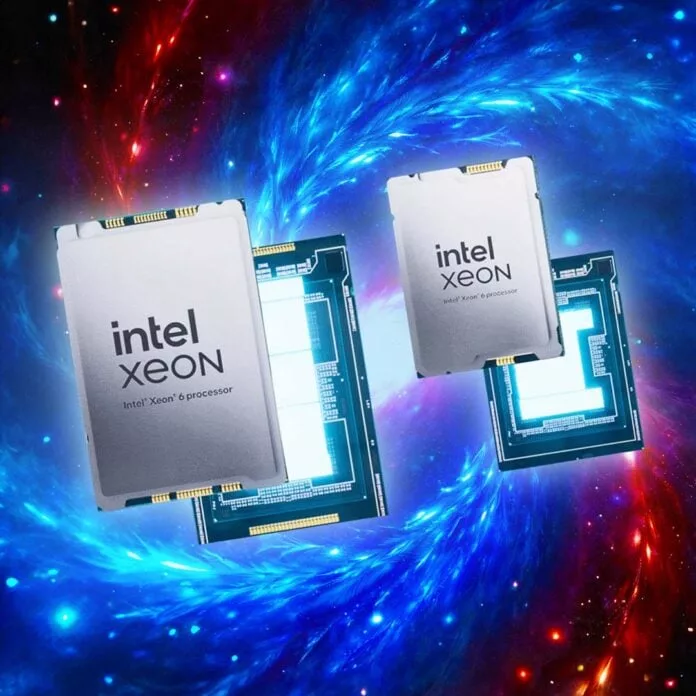
The upcoming Intel Xeon E chips based on the Nova Lake architecture, targeting the edge computing market, will reportedly forgo the hybrid architecture found in desktop CPUs. According to leaker Jaykihn, these processors will offer configurations consisting of either exclusively performance cores (P-Cores) or entirely efficiency cores (E-Cores).
No hybrid mix for Edge computing
While consumer desktop processors rely on a mix of P-Cores and E-Cores to balance high-performance tasks with background efficiency, the Nova Lake-based Xeon E lineup appears to be moving in a different direction. The leak suggests that these chips will not include a mix of core types, nor will they feature low-power E-Cores (LPE).
According to the details provided by Jaykihn, the lineup may include:
- P-Core models: five variants offering 4, 6, 8, 12, or 16 cores.
- E-Core models: configurations with 4, 8, 16, or up to 32 cores.
For customers specifically requiring a hybrid architecture, the leaker suggests looking toward standard desktop products, likely denoted with the 'S' suffix (e.g., Nova Lake-S).
Historical context and platform details
This strategy aligns with Intel's previous approach for edge-focused hardware. For instance, the Bartlett Lake series, based on the Raptor Lake architecture, utilized only P-Cores (up to 12 cores) without any E-Cores.
Additionally, the leak mentions that the supporting chipset for these Xeon E processors might be designated as W980. As the industry awaits the official announcement of the Core Ultra 4000 desktop series, rumors continue to circulate regarding improved NPU performance in upcoming generations.
Гика
