

Asus ProArt P16 RTX Spark: A Showcase of Power or a Costly Experiment?
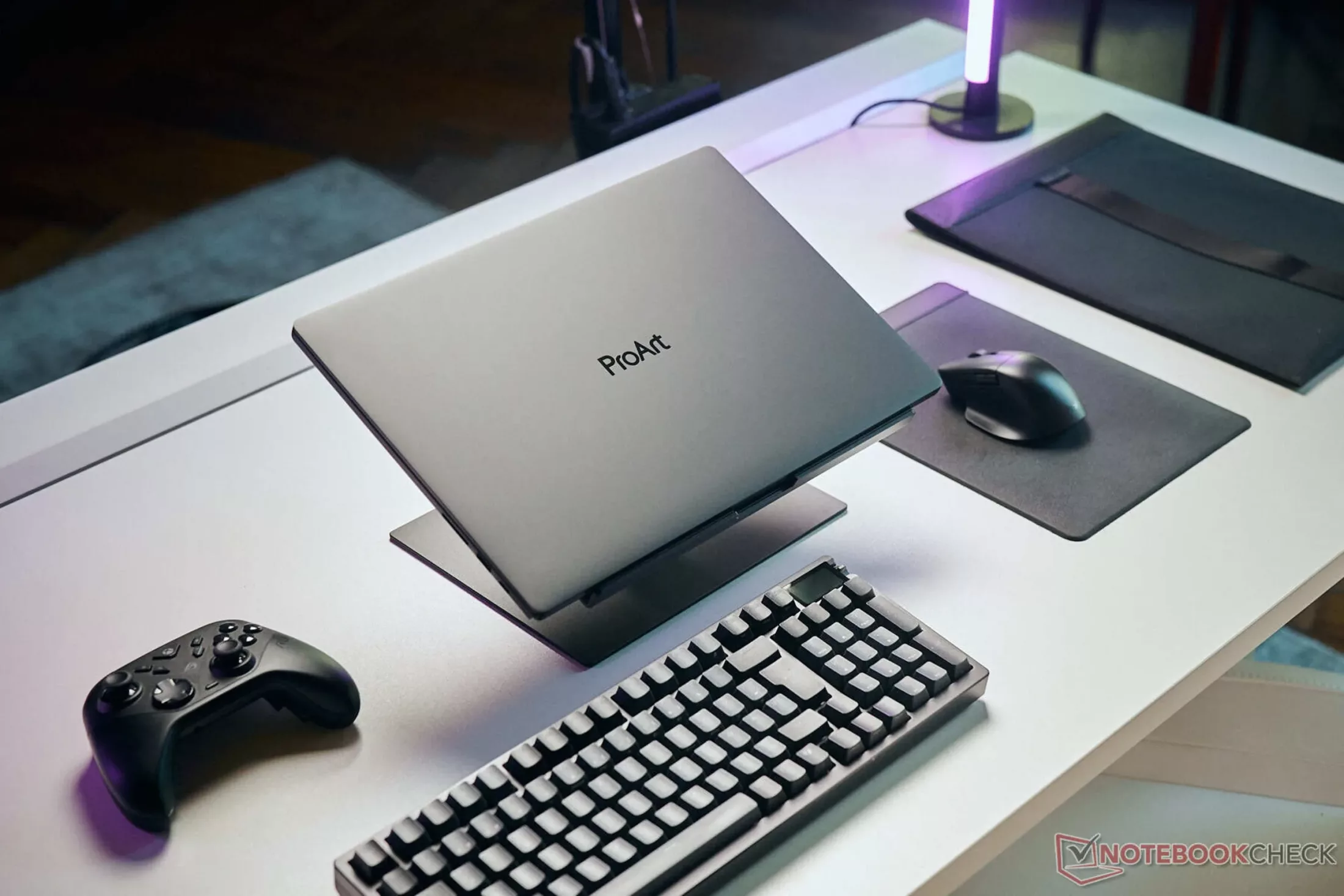
The new Asus ProArt P16 2026 is more than just a laptop; it is a showcase for what is currently possible in hardware. As one of the first devices powered by the "Nvidia" RTX Spark N1X SoC, it stands as perhaps the most compelling Windows laptop available, even if its price tag is nothing short of staggering.
Blackwell Architecture in a Slim Form Factor
The first thing that strikes you about the Asus ProArt P16 is its remarkable portability. Despite its 16-inch size, it is incredibly thin at just 13 mm and weighs only 1.79 kg, rivaling the build quality and stability of the MacBook Pro 16. Under the hood, the 20-core ARM CPU and the 6144-core "Blackwell" GPU deliver impressive results. Thanks to the unified memory architecture (the test unit featured 128 GB of LPDDR5x), the GPU performs on par with mobile RTX 5070 levels but with the massive advantage of significantly more VRAM. Notably, the performance remains robust even when running on battery power.
Display and Multimedia Excellence
The display is arguably the star of the show. The 4K Tandem OLED panel with a 120 Hz refresh rate provides breathtaking image quality, reaching up to 1644 nits in HDR. There is also an improved PWM frequency compared to previous models, making the screen much easier on the eyes. Combined with an excellent sound system and a highly responsive haptic trackpad, this machine is a dream for multimedia creators.
The Price of Innovation and Notable Compromises
However, being at the bleeding edge comes with caveats. Despite the premium $6,999 price tag for the high-end configuration, certain specifications feel underwhelming. For instance, while the system supports PCIe 5.0, it ships with PCIe 4.0 SSDs. Battery life is another weak point. Additionally, the 1080p webcam is mediocre, and users should be aware of potential compatibility issues with some apps and games.
Verdict
The Asus ProArt P16 is a powerhouse designed for professionals who demand top-tier graphics performance and an elite display in a mobile package. However, unless you specifically require the unique capabilities of the Nvidia Blackwell architecture or massive unified memory, the high cost and limited battery life might make it a difficult recommendation for the general user.
Зануда
