

AMD to expand FSR 4 support to APUs and handhelds by end of 2024
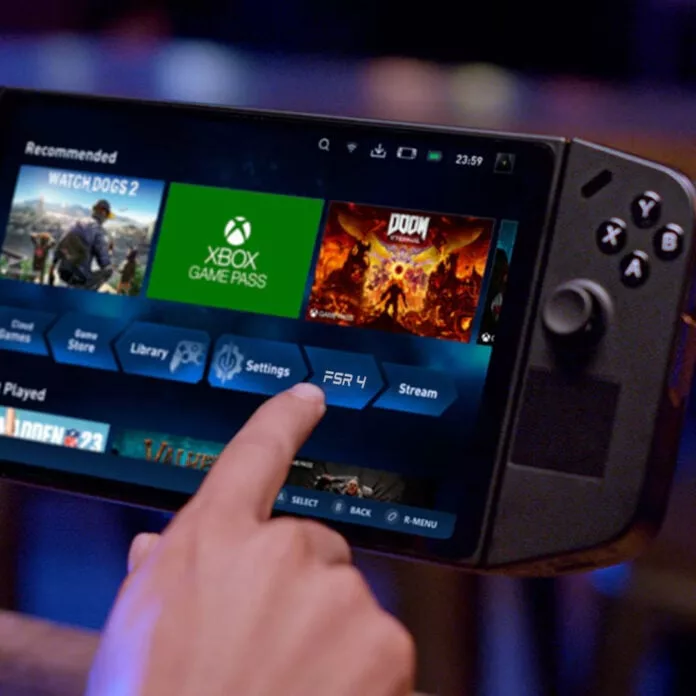
AMD is bringing its machine learning-based FSR 4 upscaling technology to a much wider audience. The company has confirmed that the technology will be available for APUs, gaming laptops, and handheld devices by the end of this year.
Expanding the reach of FSR 4
According to Jack Huynh, Senior Vice President and General Manager of AMD's Computing and Graphics Group, the brand is set to expand FSR 4 across its entire product lineup. This move will allow owners of integrated Radeon graphics systems—specifically those powered by RDNA 3 and RDNA 3.5 architectures—to access the improved upscaling features that were previously largely reserved for Radeon 7000 and 9000 series discrete GPUs.
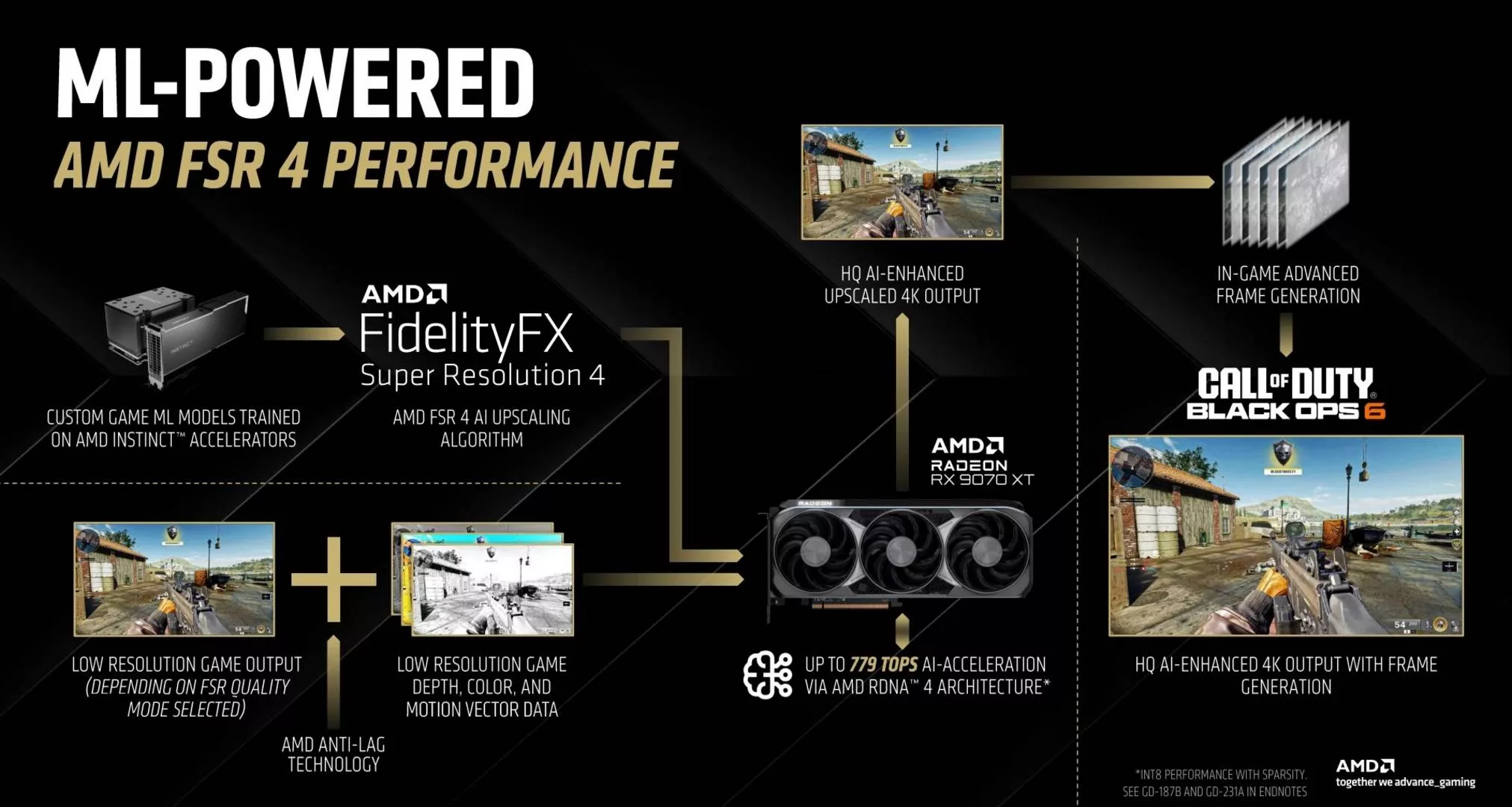
The rollout of FSR 4 has been a gradual process. Initially, the technology was exclusive to RDNA 4-based GPUs, such as the Radeon RX 9070 XT
, due to their native FP8 processing capabilities required for neural network acceleration. However, following community-driven mods that demonstrated the technology's viability on older hardware, AMD adapted the neural processing to work with INT8 processing, enabling support for RDNA 3 graphics.Optimization for mobile hardware
While desktop support was addressed, mobile devices using APUs in compact desktops, laptops, and handhelds remained unsupported until now. Because integrated GPUs have significantly fewer resources than discrete cards, efficiency is a major concern. To address this, AMD has developed a dedicated, lighter version of the FSR 4 model. Jack Huynh noted that the development team is specifically focused on maintaining high image quality and low latency without overwhelming the limited bandwidth of mobile chips.
Looking further ahead, AMD plans to continue this rollout to older generations, with support for RDNA 2-based Radeon 6000 series GPUs expected to arrive in 2027.
Гика
