
Wardogs Review: A Pacifist Rideshare Driver's FPS Power Fantasy
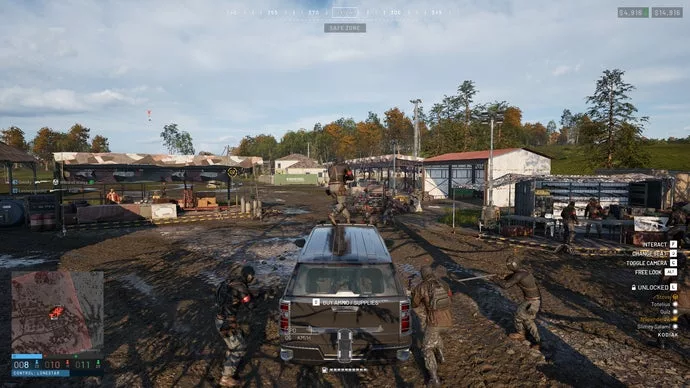
Wardogs offers a unique twist on the competitive first-person shooter formula by rewarding logistical support and pacifist playstyles with substantial financial incentives. Published by Team17, the title launched in Early Access with a focus on mass-scale multiplayer combat where individual heroics are less critical than collective success. While the game’s marketing leans on nostalgic references to classic shooters, its core loop encourages players to explore alternative roles, such as transporting teammates and managing supply lines, to achieve both personal profit and team victory.
The premise of Wardogs is straightforward: it is a large-scale multiplayer shooter designed for players who prefer the chaos of war without the constant pressure of individual performance. The game’s tagline, "Play like you used to," and its promotional materials evoke the spirit of classic titles like Halo 3, suggesting a return to a more communal style of gaming. However, the actual experience diverges significantly from traditional competitive shooters. In Wardogs, the scale of the battles means that no single player’s actions can dictate the outcome of a match. This design choice shifts the focus from individual skill to team coordination and strategic positioning.
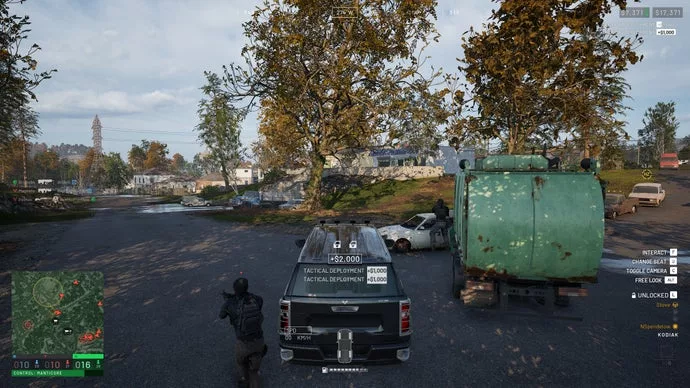
One of the most distinctive features of the game is its economic system, which rewards players for actions that are often overlooked in other shooters. Every positive contribution to the team, whether it is capturing a hardpoint, reviving a fallen squadmate, or simply delivering supplies, generates in-game currency. This system is particularly beneficial for players who prefer to avoid direct combat. By focusing on logistical roles, such as driving vehicles to transport teammates and medical supplies, players can earn a steady income while contributing meaningfully to the team’s success. This approach solves a common frustration in large-scale shooters, where players who do not engage in direct combat often feel powerless or irrelevant.
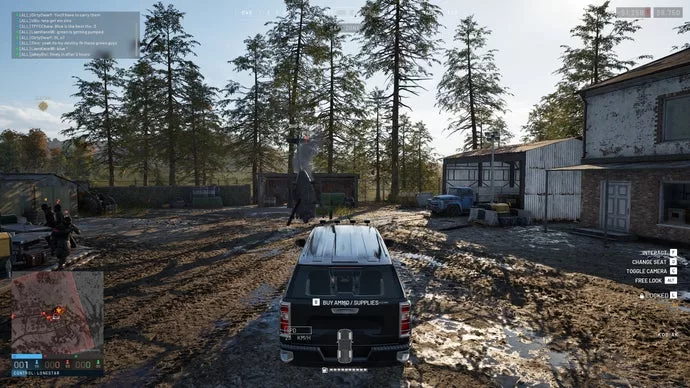
The game’s economy is designed to be self-sustaining. Players start with minimal resources and must purchase their own vehicles and equipment. If these assets are lost during a match, the player is responsible for replacing them. This creates a sense of personal investment in the game’s economy, as players must manage their finances carefully to maintain their operational capabilities. The logistical roles in Wardogs are not just a way to earn money; they are essential to the team’s success. By constantly ferrying teammates to the frontlines, players can have a significant impact on the match without ever engaging in a gunfight. This reduces the anxiety associated with losing loot or equipment, as players who focus on support roles are less likely to be targeted by enemies.
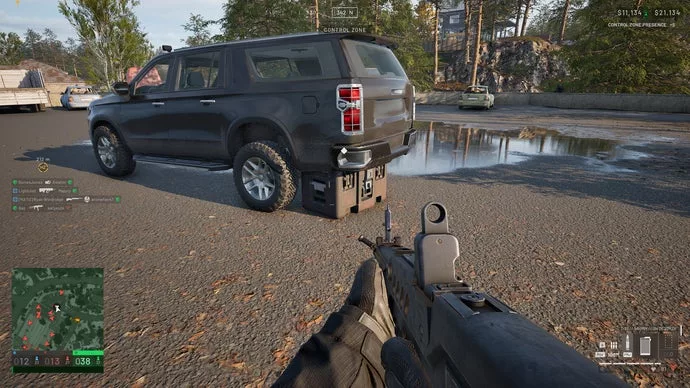
The experience of playing as a pacifist rideshare driver in Wardogs is both humorous and effective. The game’s physics engine and vehicle handling add a layer of challenge to the logistical roles, as players must navigate through busy battlefields and avoid collisions with other vehicles and structures. The rewards for successful deliveries are substantial, with players earning bonuses for each passenger they transport and for each supply crate they deliver. This creates a positive feedback loop, where players are incentivized to continue supporting their team, even in the face of danger.
However, the game is not without its flaws. The server architecture has been described as unstable, with players experiencing significant lag and disconnections during matches. This is a common issue in large-scale multiplayer games, but it can be frustrating for players who are trying to enjoy the game’s unique features. Additionally, the game’s competitive environment can be intense, with players who focus on direct combat often outperforming those who focus on support roles. This can create a sense of imbalance, where players who avoid combat are at a disadvantage in terms of earning potential and team contribution.
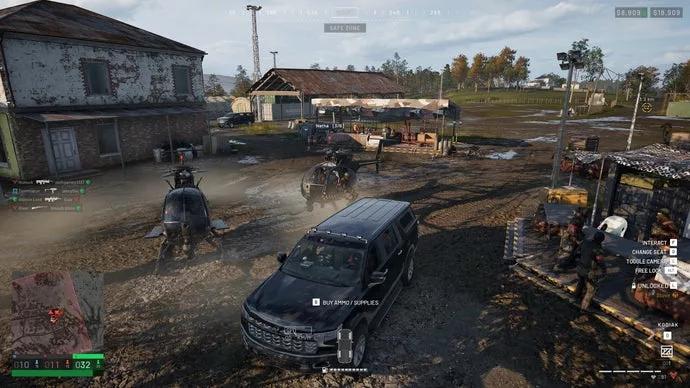
Despite these challenges, Wardogs offers a fresh take on the competitive shooter genre. By rewarding logistical support and pacifist playstyles, the game provides an alternative to the traditional focus on individual skill and direct combat. This approach is likely to appeal to players who are looking for a more relaxed and strategic way to enjoy multiplayer shooters. The game’s economic system and logistical roles create a sense of personal investment and team cooperation, making it a unique and engaging experience for players who are willing to explore its many facets.
In conclusion, Wardogs is a promising title that offers a different kind of power fantasy for players who prefer to support their team from the sidelines. While the game’s server issues and competitive environment can be challenging, its unique features and economic system make it a worthwhile addition to the competitive shooter genre. For players who are looking for a fresh take on the genre, Wardogs is definitely worth a try.
Зануда
