

Node Divergence: Samsung Pushes 5nm While TSMC Scales 3nm
As the semiconductor industry shifts toward even smaller nodes, the gap between the top players is widening. According to ComputerBase, Samsung Foundry is increasingly directing customers toward its 5nm process due to high demand for 4nm, while TSMC is doubling down on 3nm production to meet massive market demand.
Samsung's Struggle with New Nodes
Samsung faces a significant challenge in securing external customers for its latest 2-nm processes, SF2 and SF2P. Currently, the company's own internal needs are the primary driver for these nodes, raising concerns about the return on investment. This situation echoes the difficulties faced with Samsung's 3-nm manufacturing, which reportedly struggled with low yields and a lack of major external clients, turning it into a financial burden.
As a result, Samsung Foundry is marketing its 5nm process as a cost-effective and reliable alternative for certain applications. While the company's 4nm capacity is currently operating at full strength with good yields, the limited availability of 4nm slots is forcing customers to look at older, more mature nodes to maintain production stability.
TSMC's 3nm Expansion Strategy
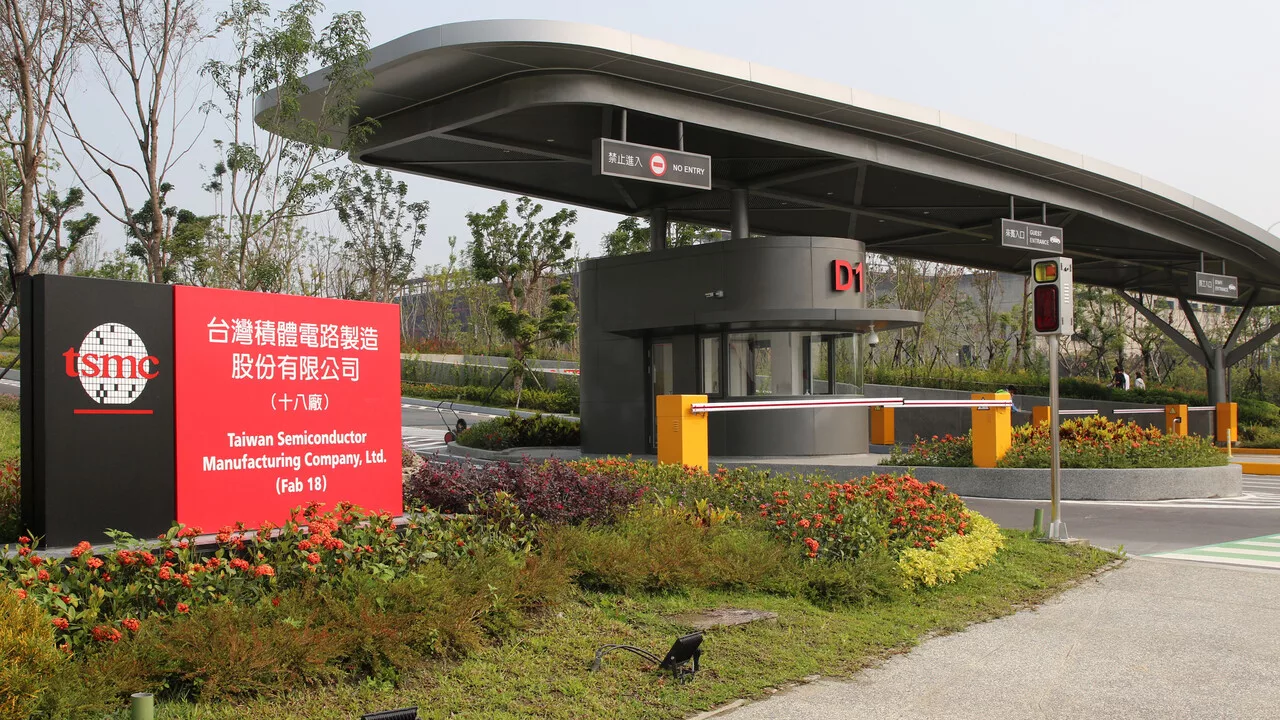
In contrast, TSMC is seeing unprecedented demand for its 3nm (N3) technology. The demand is so high that the company is constructing four new production phases specifically dedicated to the N3 node. This marks a departure from TSMC's traditional strategy in Taiwan, where new factory expansions were typically reserved for entirely new generations like N2 or A14. Instead, the company is expanding existing facilities, such as Fab 18, to bolster its 3nm capacity.
This massive investment is fueled by the high profitability of the N3 node, which already accounts for 33% of TSMC's revenue. This cash flow allows the company to self-fund the development of next-generation processes and new fabrication plants—a financial luxury that Samsung and Intel's foundry divisions, which continue to report losses in the advanced node sector, have yet to achieve.
Гика
