

PC GPU Market Grows 10.4% in Q2 2026 Despite Memory Crisis
Jon Peddie Research reports 75.5 million PC GPUs shipped in Q2 2026, marking a 10.4% quarter-over-quarter increase. Discrete GPUs grew 12.2% despite rising memory costs, driven primarily by notebook shipments.
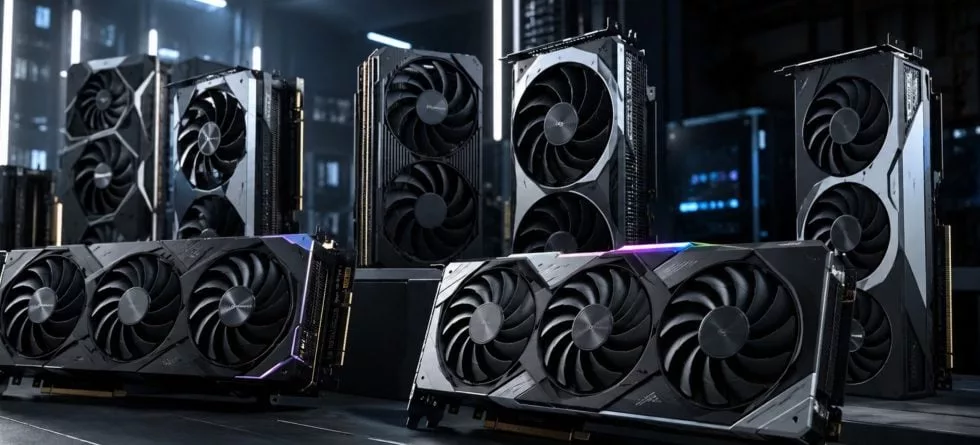
Jon Peddie Research reports that global PC GPU shipments reached 75.5 million units in Q2 2026, marking a 10.4% increase over Q1 and a 1.1% rise year-over-year. The most notable figure is the 12.2% quarter-over-quarter growth in discrete GPU shipments, which occurred despite an ongoing global memory crisis that has driven up component costs.
Q2 is traditionally a seasonally weak period for the PC market, as retailers and OEMs reduce inventory while preparing new systems for the second half of the year. The 2026 data breaks this pattern, but the growth was not evenly distributed across product categories. Laptops were the primary driver, with GPU shipments rising 16.8% compared to Q1. In contrast, desktop graphics shipments declined by 4.0% over the same period. This split suggests that the overall market growth cannot be interpreted as a new boom in desktop graphics cards.
The 75.5 million figure includes both integrated and discrete graphics solutions across desktops, laptops, and workstations. This explains why the GPU attach rate is reported at 120%: a single PC can feature both an integrated GPU in the processor and a separate discrete graphics unit. Equating the total shipment number with the number of retail graphics cards sold would conflate two distinct market segments.
The 12.2% increase in discrete GPU shipments is particularly significant because it happened during a period of high memory prices. Current GPUs require GDDR6 or GDDR7, while laptop manufacturers simultaneously face high costs for standard DRAM. However, higher shipment volumes do not automatically mean that end consumers purchased more graphics cards in the same proportion. Manufacturers may have pushed chips and cards into the channel ahead of expected price increases, OEMs may have built up inventory for upcoming laptop series, and retailers may have adjusted their stock levels. Jon Peddie Research itself cites real demand, supply positioning, artificial demand shocks, and regional market effects as contributing factors.
Shipment data reflects what manufacturers and supply chains moved, not necessarily what reached end users through retail or online stores. In terms of overall PC GPU market share, AMD gained 0.6 percentage points compared to the previous quarter, Intel lost one percentage point, and NVIDIA gained 0.46 percentage points. These figures refer to the complete GPU market, including integrated graphics, and should not be confused with market shares for dedicated desktop graphics cards.
Intel holds a large number of integrated GPUs through its processors, while NVIDIA is almost exclusively represented by discrete graphics. AMD operates in both categories with Ryzen APUs, notebook SoCs, and Radeon graphics cards. Small changes in the laptop mix can therefore shift overall market shares noticeably. The 16.8% increase in laptop shipments in Q2 likely amplified this effect. As a result, the published overall figures offer limited insight into the traditional AIB desktop graphics card market.
Jon Peddie Research explicitly describes the development as unusual because Q2 typically sees a decline compared to Q1. Whether this marks a sustainable upward trend remains open. High component prices, memory shortages, and continued weak desktop shipments suggest that the numbers should initially be viewed as an exceptional quarter. On the other hand, the discrete GPU increase shows that high-performance graphics solutions remain in strong demand or are being aggressively pushed into the market by manufacturers, despite high prices. Gaming laptops and mobile workstations may account for a larger share of this growth than a focus on classic retail graphics cards would suggest.
Гика
