
How to get investment for your video game in 2026
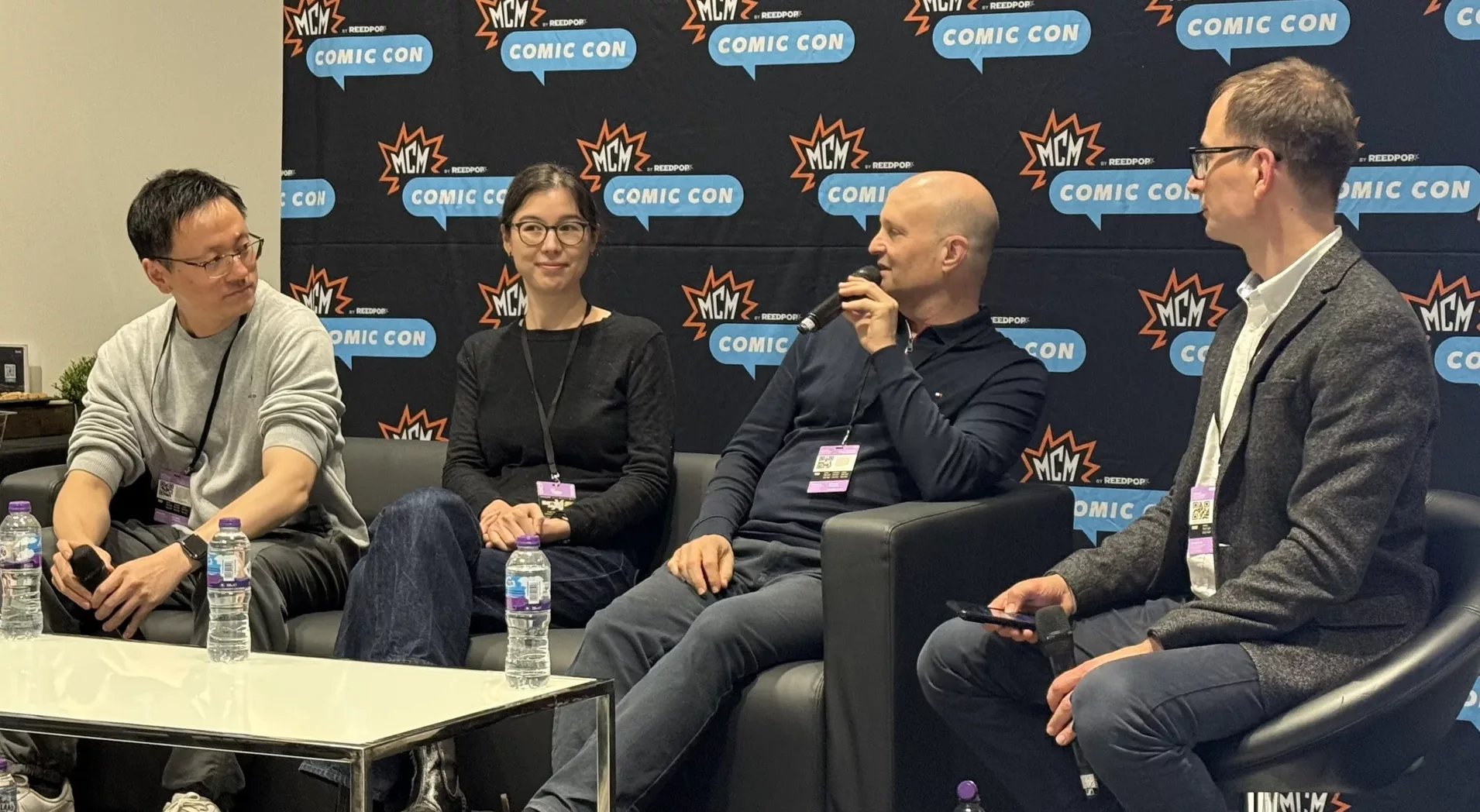
Securing funding for game development is becoming a complex puzzle in 2026. As the industry shifts away from traditional publishing deals toward self-publishing and project-based financing, developers face a fragmented landscape of capital. During the Game Republic Investment Summit at MCM Comic Con in London, a panel of experts—including representatives from Transcend Fund, Creative UK, and Curran Games Agency—unpacked the realities of the current market: where the money is hiding, what investors actually demand in a pitch, and whether Steam wishlists still hold the weight they once did.
The capital for game development hasn't vanished, but it has become significantly harder to access. Lirui Ding, principal at Transcend Fund, suggests that developers should move away from relying on a single source and instead adopt a 'mix and match' approach. This involves piecing together funding from various origins, such as Kickstarter campaigns combined with government grants—a strategy successfully utilized by Nicholas Lovell of Spilt Milk for the development of Trash Goblin.
Nick Cavander, senior portfolio manager at Creative UK, noted that funding is now scattered across various niches. This includes government initiatives like the BFI Global Screen Fund and the UK Games Content Fund, as well as angel investors and informal groups of high-net-worth individuals. This fragmentation is driving a trend toward self-publishing; many developers are attempting to avoid traditional publishers because current publishing terms are increasingly unfavorable.
Cassia Curran, founder of Curran Games Agency, highlighted a significant shift in the venture capital (VC) sector. Many VC firms that previously focused on equity funding are now pivoting toward project financing. This shift is a response to the current market's exit landscape; with fewer mergers and acquisitions (M&A) and IPOs, investors are seeking more direct ways to see a return on their capital.
What investors are looking for
While publishers are increasingly specializing in specific genres rather than chasing every trend, certain areas like incremental idle games and 'tidy-up' games are seeing increased interest. However, Curran warned against chasing these trends blindly. She also noted a 'depressing' trend: publishers are increasingly reluctant to take risks on new IPs, preferring to invest only in games that have already demonstrated market traction or an established player base. This high barrier to entry makes it exceptionally difficult for indie developers to secure traditional publishing deals.
For those seeking equity investment from VCs, the stakes are high. Ding explained that VCs typically look for a 10x return within a seven-to-ten-year window to satisfy their Limited Partners (LPs). A pitch promising a long-term franchise that takes 15 years to reach peak profitability is likely to be rejected because the payback period is too long. To counter this, companies must find ways to offer quicker recoupment mechanisms rather than waiting for a major liquidation event like an acquisition or an IPO.
The nature of the pitch itself must change depending on the target. Curran noted that pitching for equity requires focusing on the strength of the team, whereas pitching for project financing requires granular detail on the go-to-market strategy, including platforms, pricing, and marketing execution. Conversely, when pitching to a publisher, providing an exhaustive marketing strategy can actually be off-putting, as publishers typically prefer to manage their own distribution and marketing efforts.
The reality of Steam wishlists
The status of Steam wishlists as a 'holy grail' metric is under scrutiny. Curran pointed out that wishlists can be artificially inflated or fail to convert into actual sales. Ding echoed this, stating that wishlist numbers alone are insufficient. To be credible, they must be paired with indicators of an active, passionate community, such as Discord engagement, YouTube following, or playtime metrics. While major publishers may still use a 'top 100 wishlists' threshold to filter candidates, indie publishers often look at much more qualitative community data.
Флешка
