

Gigabyte Reveals Intel's Strategy to Extend LGA 1700 into 2027
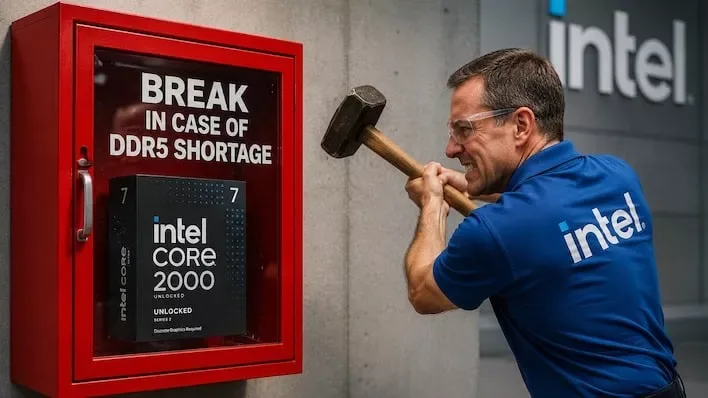
While the industry looks toward Nova Lake, Intel is preparing a way to keep the current LGA 1700 platform relevant well into the next decade. Manufacturer Gigabyte has revealed in a recent press release that new CPUs will be brought to the aging LGA 1700 socket in early 2027, offering a lifeline to existing users.
Surviving the DDR5 Crunch
According to Gigabyte, users with existing motherboards based on B760 or H610 chipsets will receive BIOS updates to support these unannounced processors. The manufacturer emphasizes that this will require no board replacement or complicated system rebuilds, providing a performance boost to the platforms users already own.
The strategic driver behind this move is the ongoing shortage of DDR5 memory, fueled by the AI-driven market demand. As DDR5 becomes increasingly scarce and expensive in the DIY space, Intel's ability to support DDR4 through the Raptor Lake architecture provides a vital, cost-effective alternative for builders who cannot afford the premium associated with newer platforms.
The Core 2000 Rumors
While Intel has yet to officially detail the new lineup, technical leaks and Gigabyte's announcement point toward a specific direction for these chips, often referred to as "Raptor Lake Next":
- Branding: The parts are expected to be branded as the Core 2000 family. They will likely lack the "Ultra" designation, as they are not expected to include a dedicated NPU.
- Core Configuration: Rumors suggest the die will follow the standard 8P + 16E (8 Performance and 16 Efficient cores) configuration.
- Market Position: These chips are positioned as a more affordable alternative to the high-end Nova Lake ecosystem.
It is important to note that because these CPUs must include all the mitigations for previous voltage instability issues (Vmin shift), they may not match the peak performance of the original Raptor Lake Refresh at launch. However, for budget-conscious gamers, they could serve as a highly competitive option for the LGA 1700 socket.
Гика
