

2026's OLED monitors can nearly recreate the clarity of '90s CRTs, but Windows must change
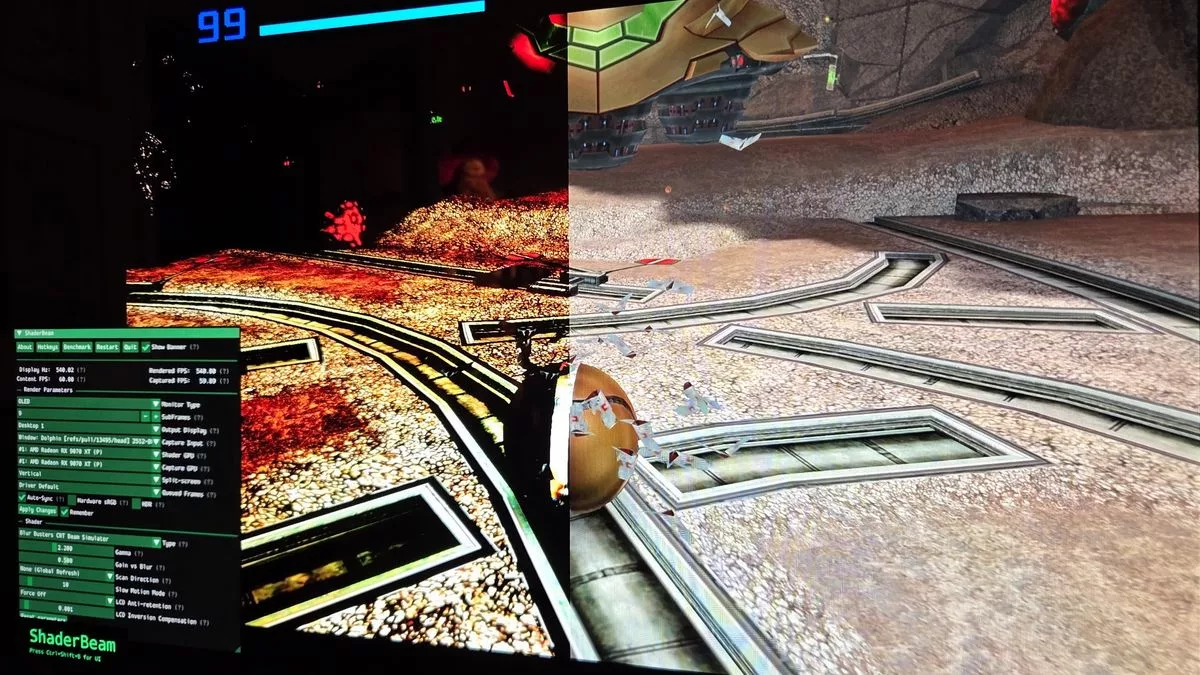
Technological progress often forces us to look backward. While modern high-refresh displays are vastly superior to the blurry LCDs of the mid-2000s, industry experts are still chasing the sublime motion clarity once provided by CRT monitors in the '90s. As OLED technology evolves toward 2026, it is getting closer to recreating that legendary clarity, but achieving true visual nirvana will require more than just better hardware—it will require fundamental changes to how Windows and graphics drivers handle image processing.
Combating Motion Blur: Hardware vs. Algorithms
The primary challenge for modern displays isn't just resolution, but pixel response times and refresh cycles. Even the fastest matrices can suffer from subtle trailing that ruins clarity in high-speed motion. Mark Rejhon, founder of Blur Busters, points out that while those over 40 remember the unmatched clarity of cathode ray tubes, younger generations have never experienced it firsthand.
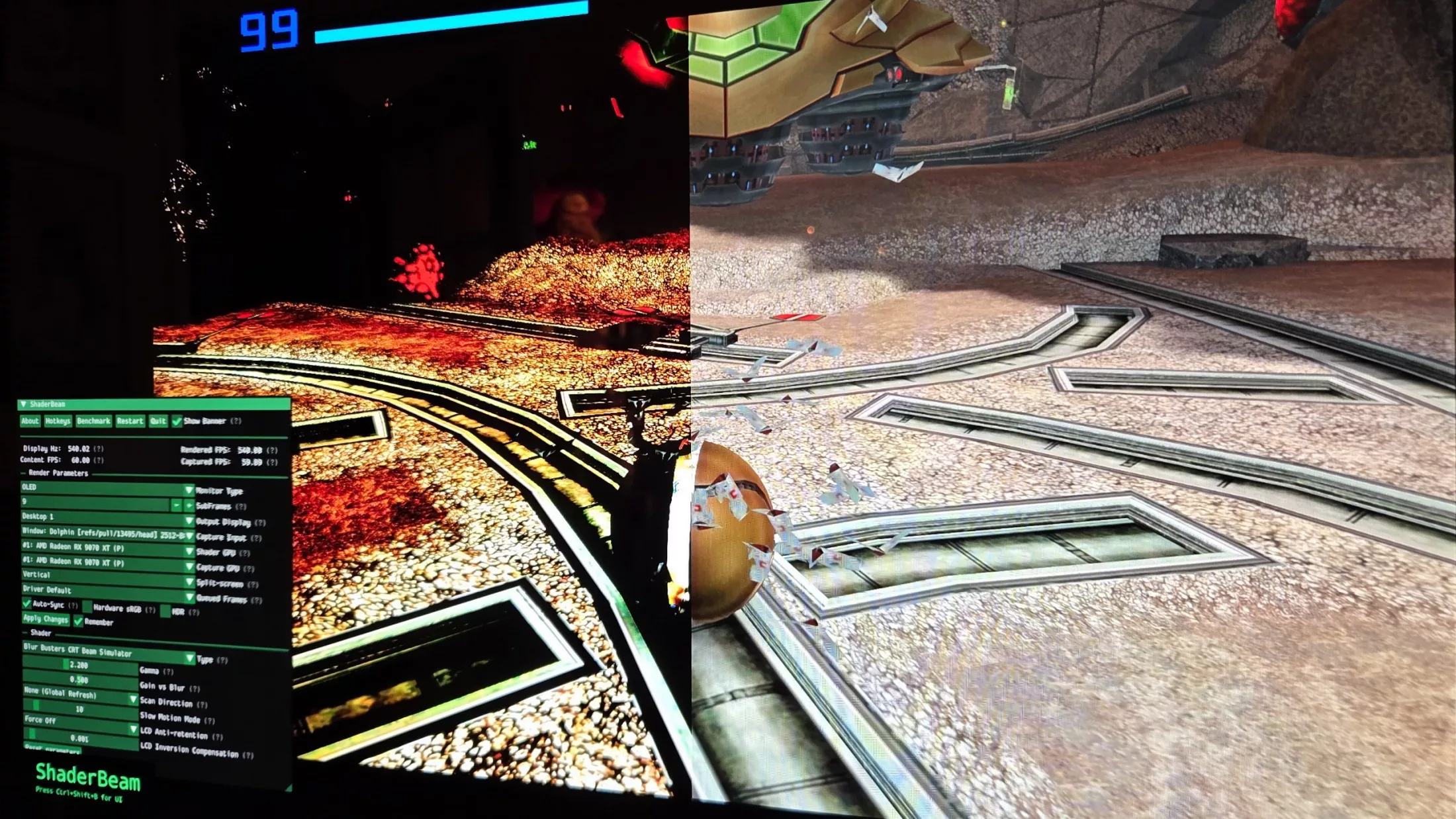
Currently, the industry is tackling motion blur through two distinct approaches:
- Hardware-based: Nvidia's G-Sync Pulsar utilizes backlight strobing combined with a top-to-bottom refresh cycle, mimicking the electron beam scan of a CRT. This creates a "perceived clarity" equivalent to 1,000 Hz, though it is currently locked to Nvidia GPUs and is not yet available for OLED panels.
- Software-based: Rejhon and former Nvidia developer Timothy Lottes have developed a breakthrough algorithm for simulating a CRT tube. By leveraging high-refresh displays (240+ Hz), this method drastically reduces visible motion blur in retro games and content locked at 60 Hz.
The Software Bottleneck
The ultimate hurdle is that even the most advanced hardware—be it cutting-edge OLED panels or powerful GPUs—is limited by how the operating system processes frames. For simulation technologies to become user-friendly and widely implemented, they need deep integration via shader hooks within Windows.
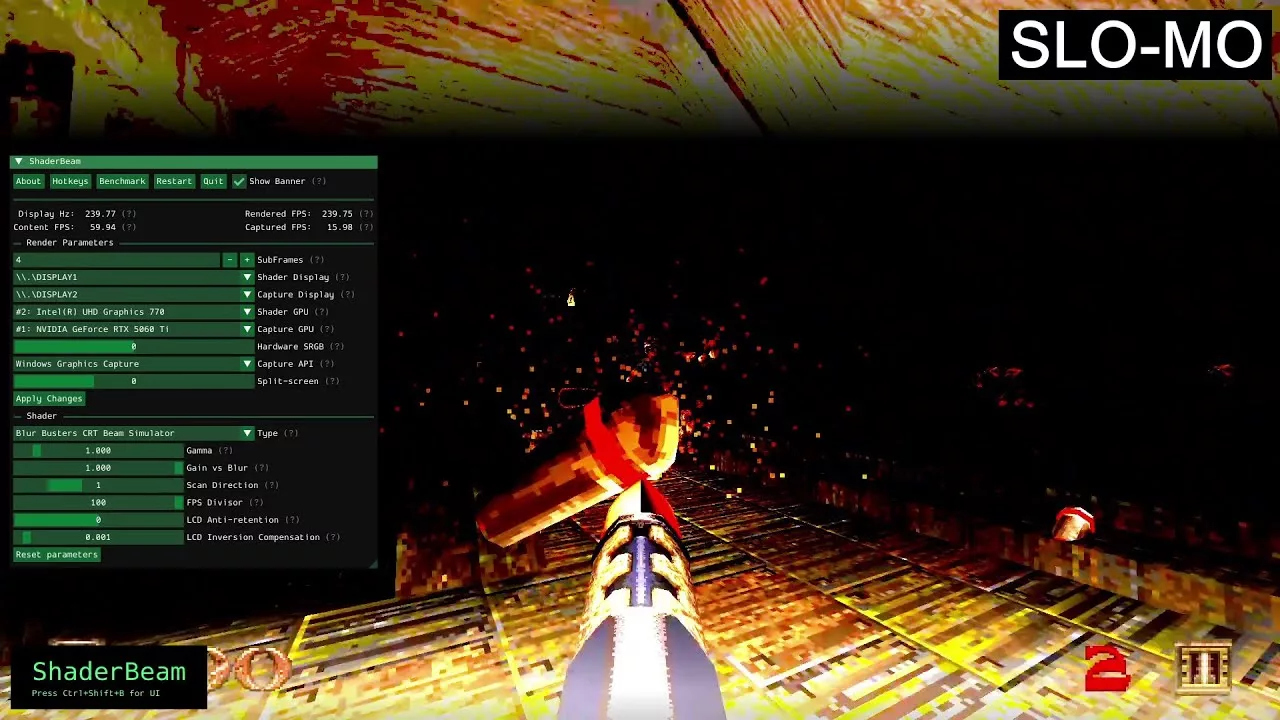
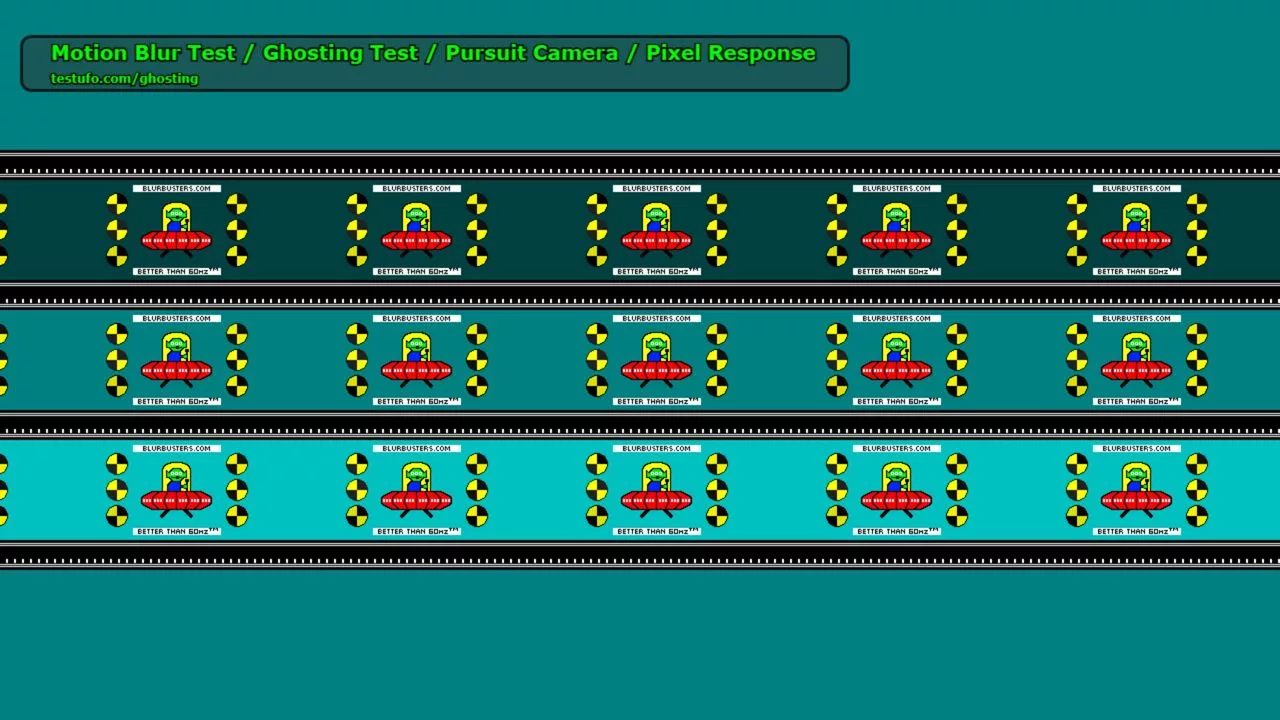
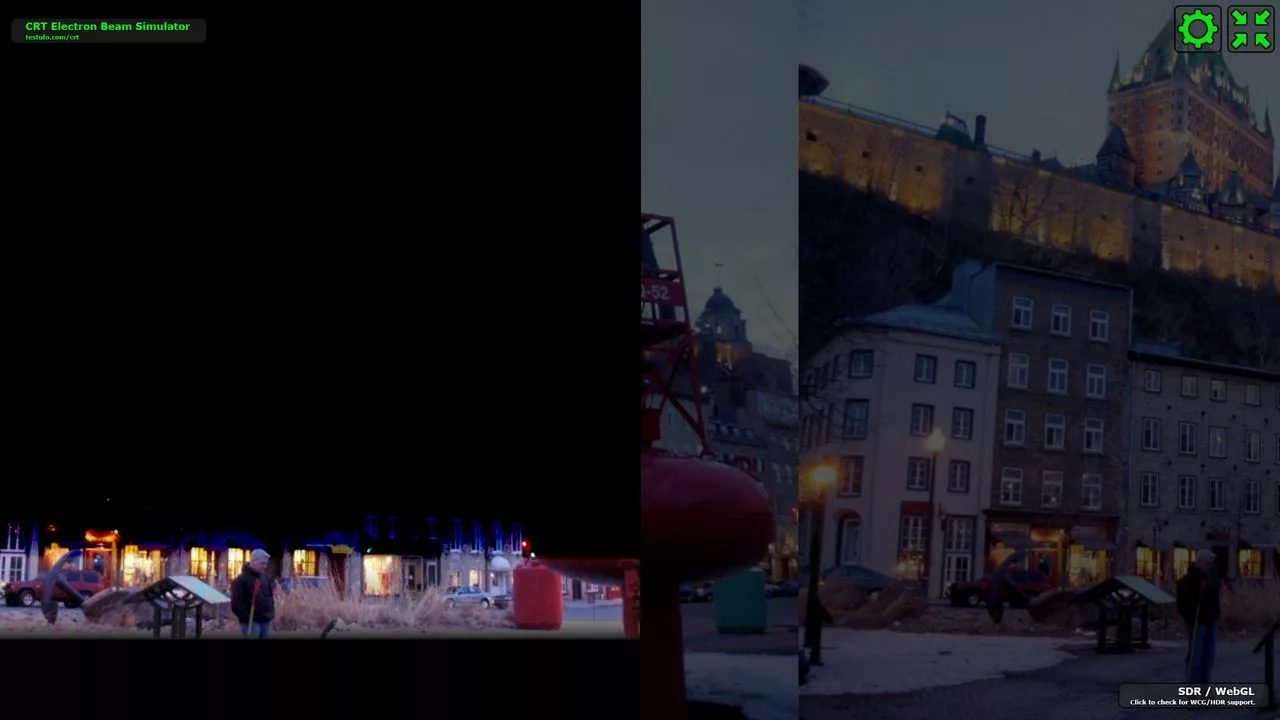
Rejhon predicts that true synergy will only arrive in the 2030s, when video processing is more tightly integrated into display hardware and the OS provides native support for these advanced rendering techniques. The Open Source Display Shaders initiative aims to push this agenda, advocating for a future where OS and driver developers prioritize the motion clarity and visual smoothness that were once the hallmark of the CRT era.
Гика
