
CPU Sales Plummet 20% as Memory Price Surge Hits PC Market
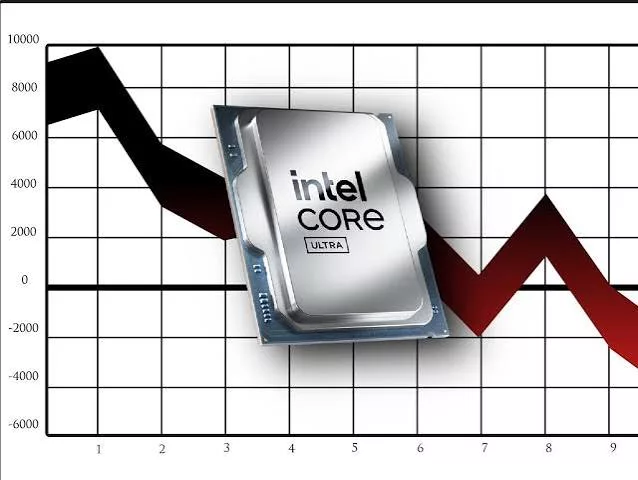
The PC hardware market is facing a significant downturn in 2026, with CPU sales plummeting by approximately 20% according to recent industry data. Major players like AMD and Intel are struggling to counteract the effects of soaring memory prices, which have driven DDR5 costs up by over 500% in just one year.
Market Share Shifts Amidst Declining Shipments
According to a report cited by Gizmodo from Mercury Research, the landscape of the CPU market has shifted dramatically. Intel has lost 6.5% of its market share in the most recent quarter, a portion largely captured by AMD. Despite this loss, Intel still maintains a dominant position with an overall market share of 69.3%. Conversely, AMD's growing presence is attributed to the superior performance of its latest gaming and productivity processors, which have successfully outpaced competitors like Intel's Core Ultra 7 270K Plus.
The Root Cause: Soaring Memory Costs
Despite the competitive battle between silicon giants, both companies express dissatisfaction with the current state of the PC market. The primary driver behind this downturn is not a lack of demand for processors, but rather an economic bottleneck in the memory sector. DDR5 memory prices have skyrocketed by more than 500% over the last year. This surge has created a ripple effect across the entire hardware ecosystem, contributing to shortages of affordable graphics cards equipped with 16GB of VRAM and making it difficult for consumers to build balanced systems.
Strategic Responses: Reviving Legacy Platforms
In response to these challenging market conditions, AMD and Intel are adopting a strategy of extending the lifecycle of older hardware. Both manufacturers are re-releasing or continuing production of CPUs based on DDR4 platforms. This move aims to provide cost-effective solutions for budget-conscious consumers who cannot afford the premium prices associated with DDR5 memory and newer architectures. While this approach helps maintain sales volume, it highlights the broader issue of supply chain constraints and component pricing that is stifling overall market growth.
What Remains Uncertain
Mercury Research's head has warned that the current market conditions are unfavorable, predicting a continued decline in CPU shipments for the year. However, the full extent of the impact on consumer behavior and whether legacy DDR4 platforms will remain viable long-term solutions remains to be seen. As manufacturers pivot to older technologies, the industry waits to see if memory prices will stabilize or if this price-driven downturn will persist into 2027.
Гика
