
GeForce RTX 3080 Frames Crash to 4 FPS with DLSS 5 Neural Rendering
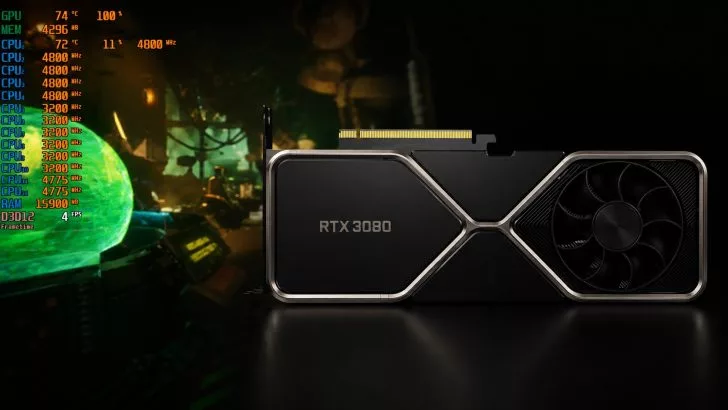
NVIDIA GeForce RTX 3080 users are facing a critical performance regression when activating DLSS 5 Neural Rendering. Independent reports indicate that frame rates can plummet from approximately 138 FPS down to just 4 FPS in affected scenarios. This issue is not isolated to the flagship RTX 3080; similar severe performance degradation has been confirmed across other cards within the RTX 30 series. The problem appears specifically tied to the new neural rendering features introduced with DLSS 5, suggesting a potential software or driver-level incompatibility rather than a hardware defect.
The core of the issue lies in the activation of DLSS 5 Neural Rendering. When this specific feature is enabled on supported hardware, the system experiences an extreme drop in performance. Users have observed frame rates collapsing from a smooth 138 FPS to a barely playable 4 FPS. This drastic reduction renders high-refresh-rate gaming impossible under these specific settings.
It is important to note that this problem affects the entire RTX 30 series, not just the RTX 3080. While the RTX 3080 was a popular choice for high-performance gaming, it is now clear that other cards in the generation share this vulnerability when attempting to utilize the new DLSS 5 neural rendering capabilities.
The severity of the drop suggests a significant bottleneck or instability within the implementation of the new AI-driven rendering technology. Unlike previous generations where performance dips were often gradual, this regression is immediate and catastrophic once the feature is toggled on. This points towards a potential bug in the current driver stack or the underlying software architecture handling the neural rendering tasks.
Developers and game studios are likely investigating whether this is a universal issue affecting all titles that implement DLSS 5, or if it is specific to certain games and configurations. Until an official patch or workaround is released from NVIDIA, users relying on the latest AI upscaling features should proceed with caution.
This news serves as a stark reminder of the risks associated with adopting new technologies before they are fully stabilized. While DLSS has revolutionized gaming performance, the introduction of neural rendering in version 5 appears to have introduced a critical flaw that impacts the very feature it was designed to enhance.
Гика
