
Control Resonant: A Massive and Weird Leap into Warped Manhattan
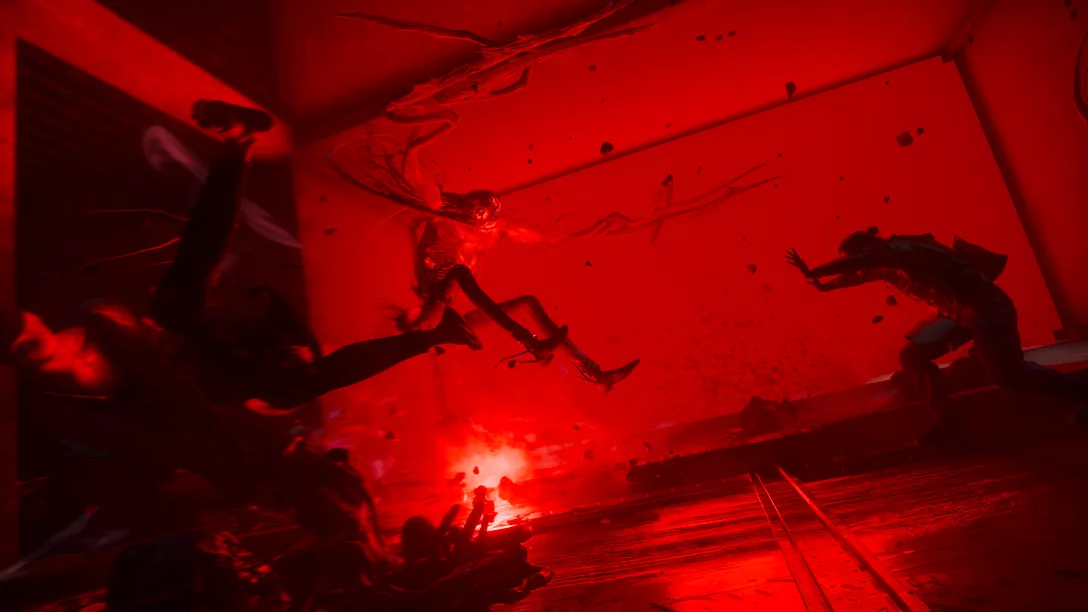
Seven years after the events of the first game, Remedy Entertainment returns to the paranatural realm with Control Resonant. This is not just a sequel, but a radical paradigm shift: the claustrophobic psychological thriller within the walls of the Oldest House is replaced by a massive adventure in a warped Manhattan. Instead of Jesse Faden, the central figure is her brother, Dylan, whose story and abilities dictate a completely different pace and style of gameplay.
From Corridors to Metropolis: A Shift in Scale
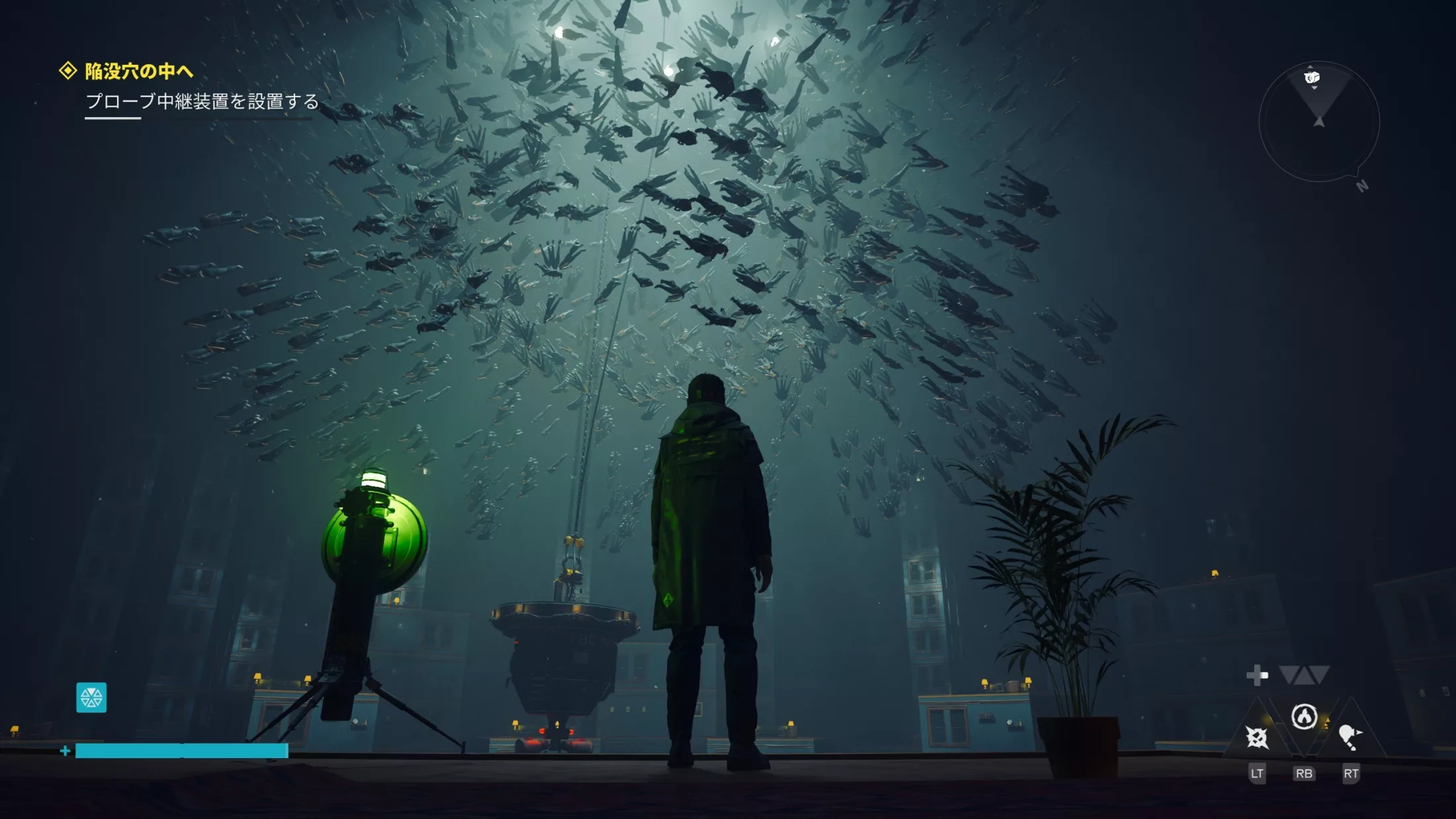
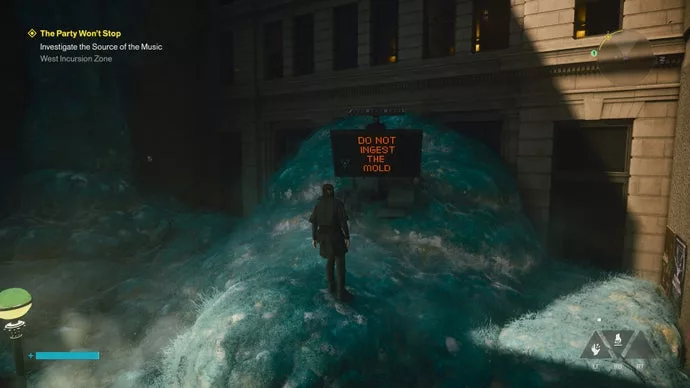
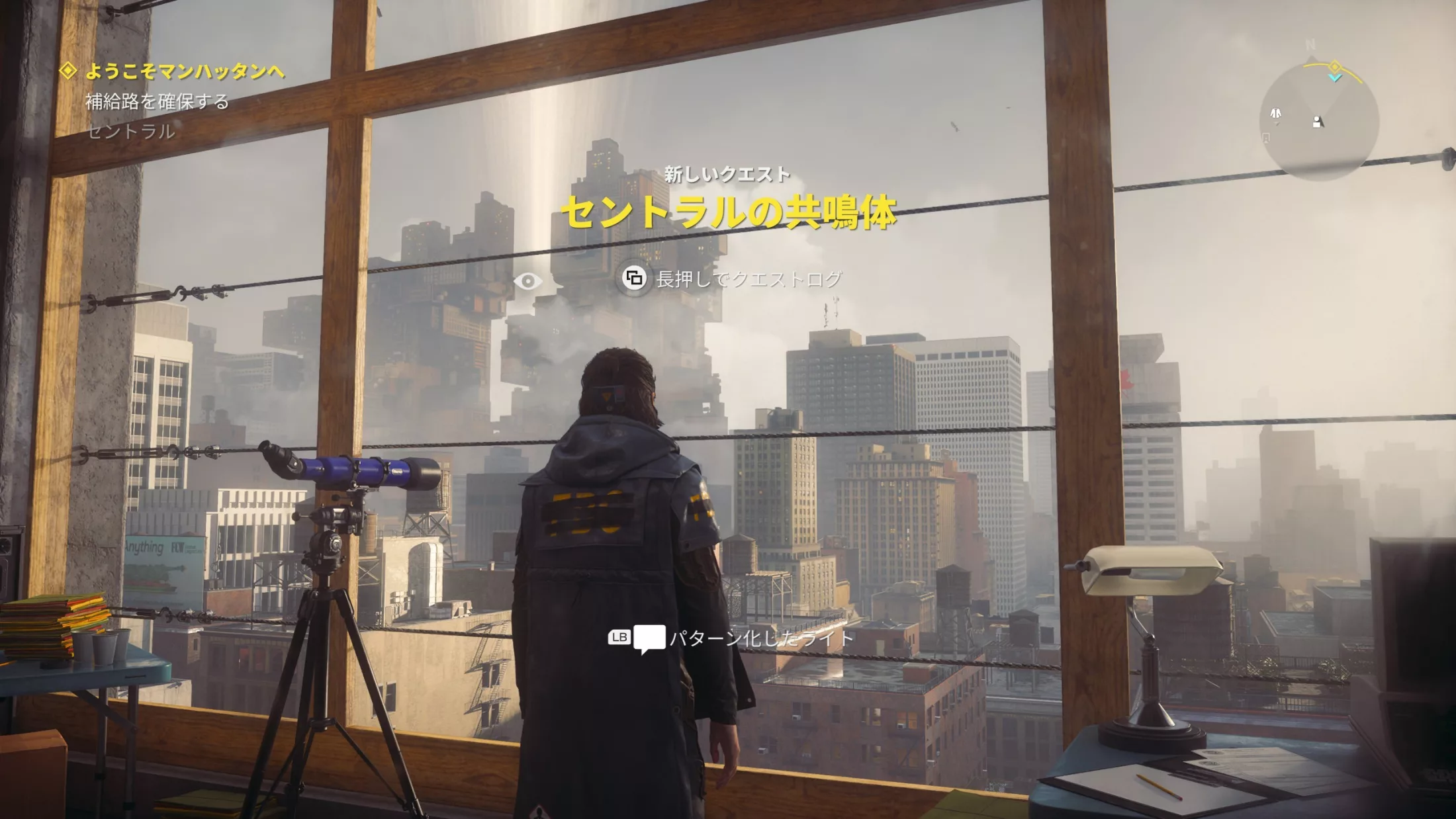
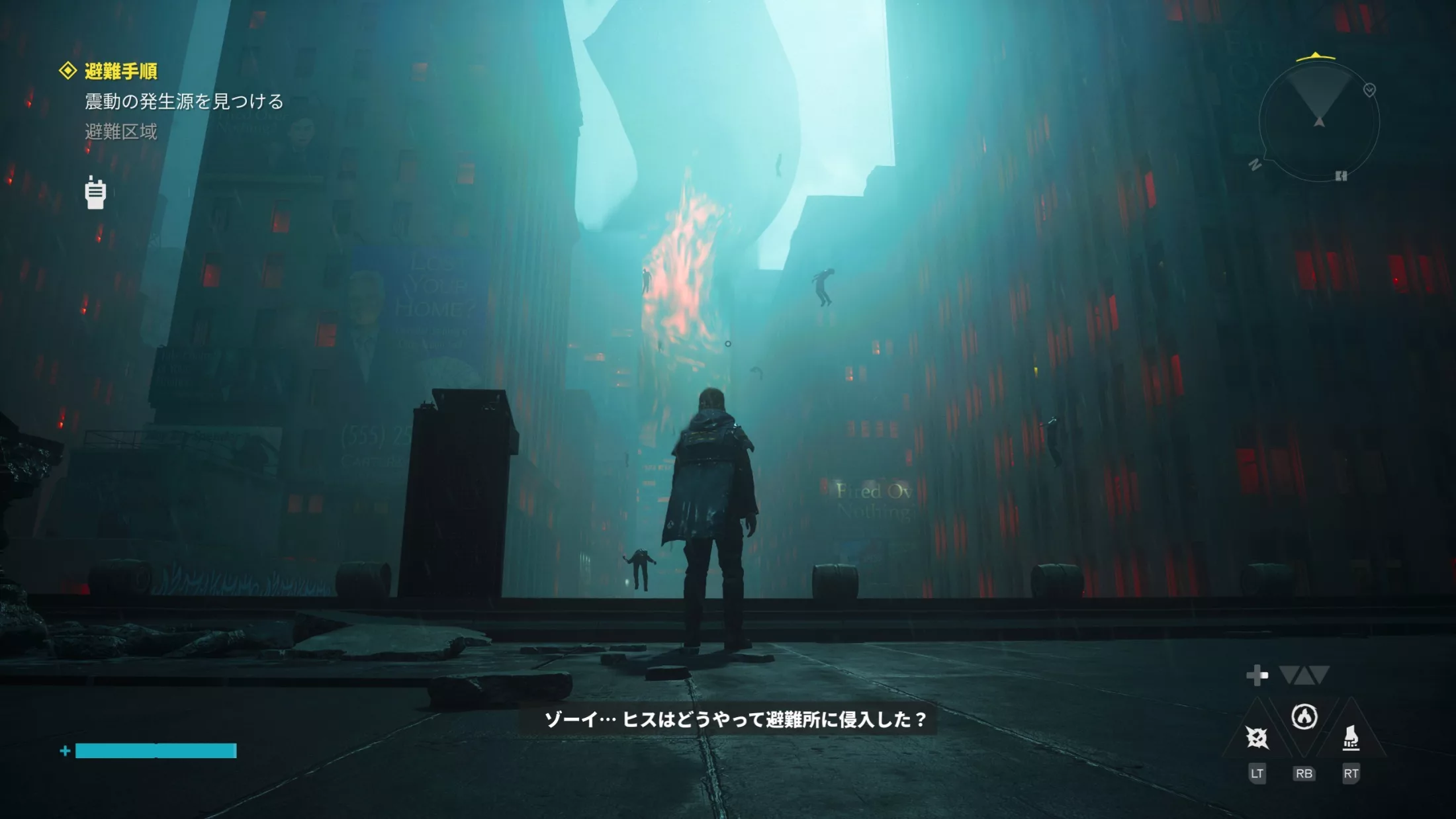
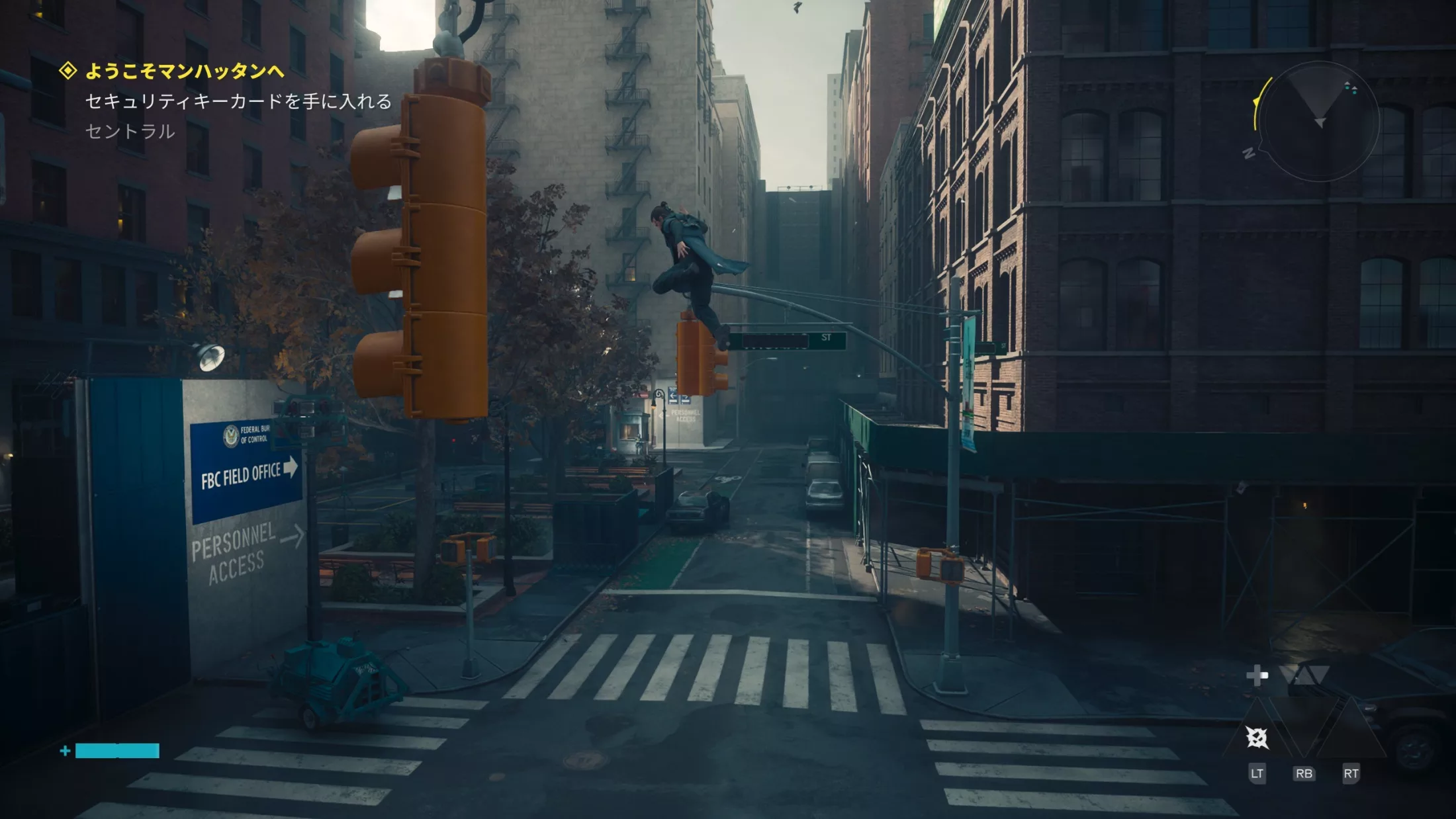
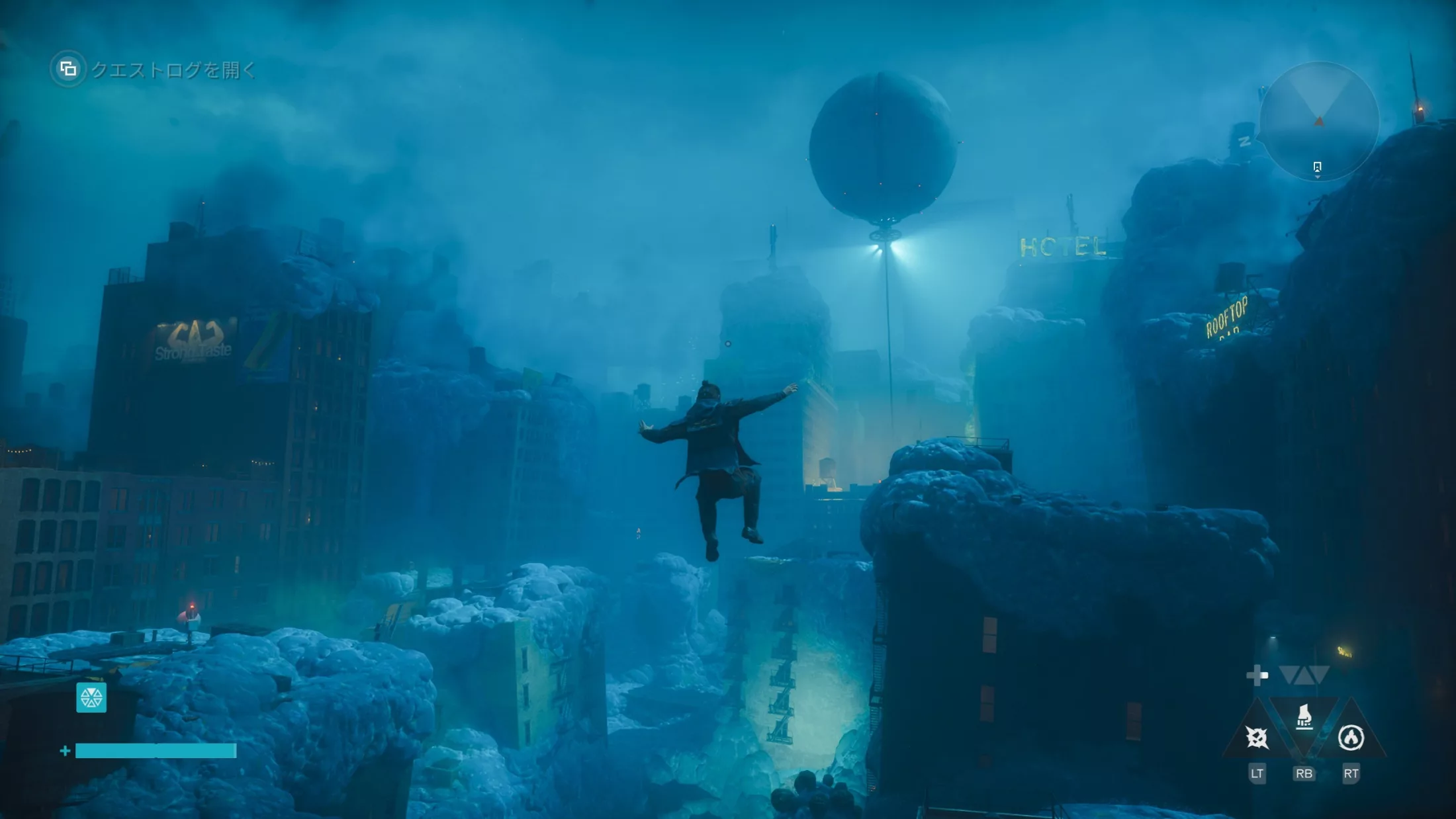
The most significant change is felt from the very first moments: the space. While the first game focused on the claustrophobic, brutalist architecture, Control Resonant offers players "sandboxes" on the scale of an entire city. Manhattan here is not just a backdrop, but a living, distorted landscape. The city literally folds in on itself, creating impossible geometric structures where gravity can shift and buildings intersect at unthinkable angles.
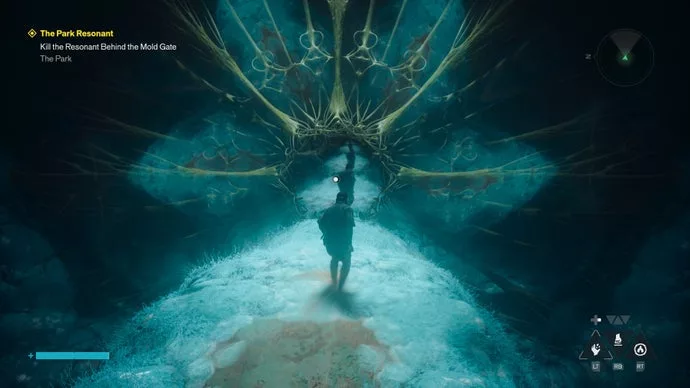
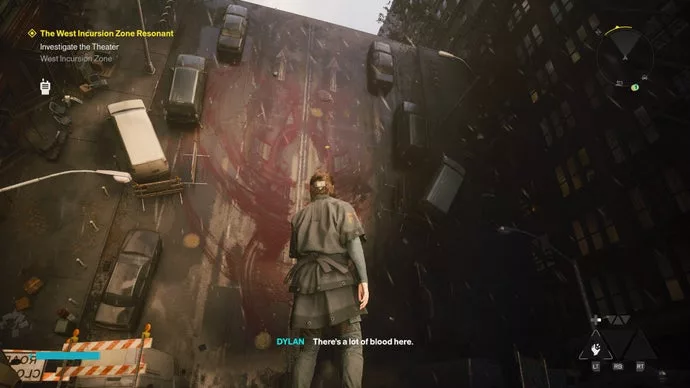

This transition from enclosed locations to open zones changes the atmospheric perception. On one hand, it provides an incredible sense of freedom and enables vertical gameplay: Dylan can use double jumps, dashes, and rapid movement to navigate between rooftops and floating debris. On the other hand, the scale and openness of the city alter the intimate, oppressive atmosphere of the original. Instead of a contained nightmare within the Bureau, players face a sprawling, sometimes blockbuster-style scale reminiscent of Marvel.
Combat System: A Focus on Melee
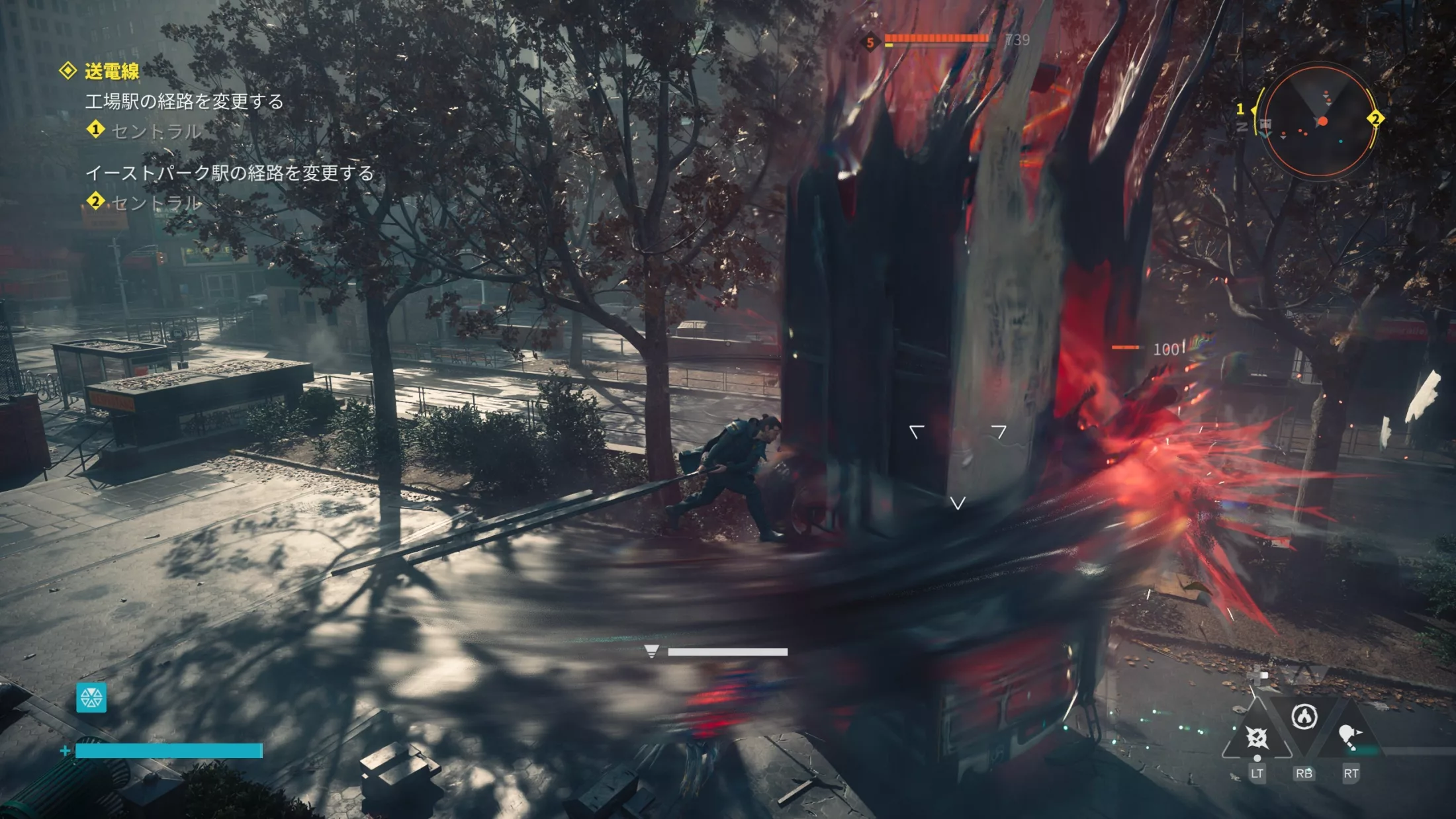
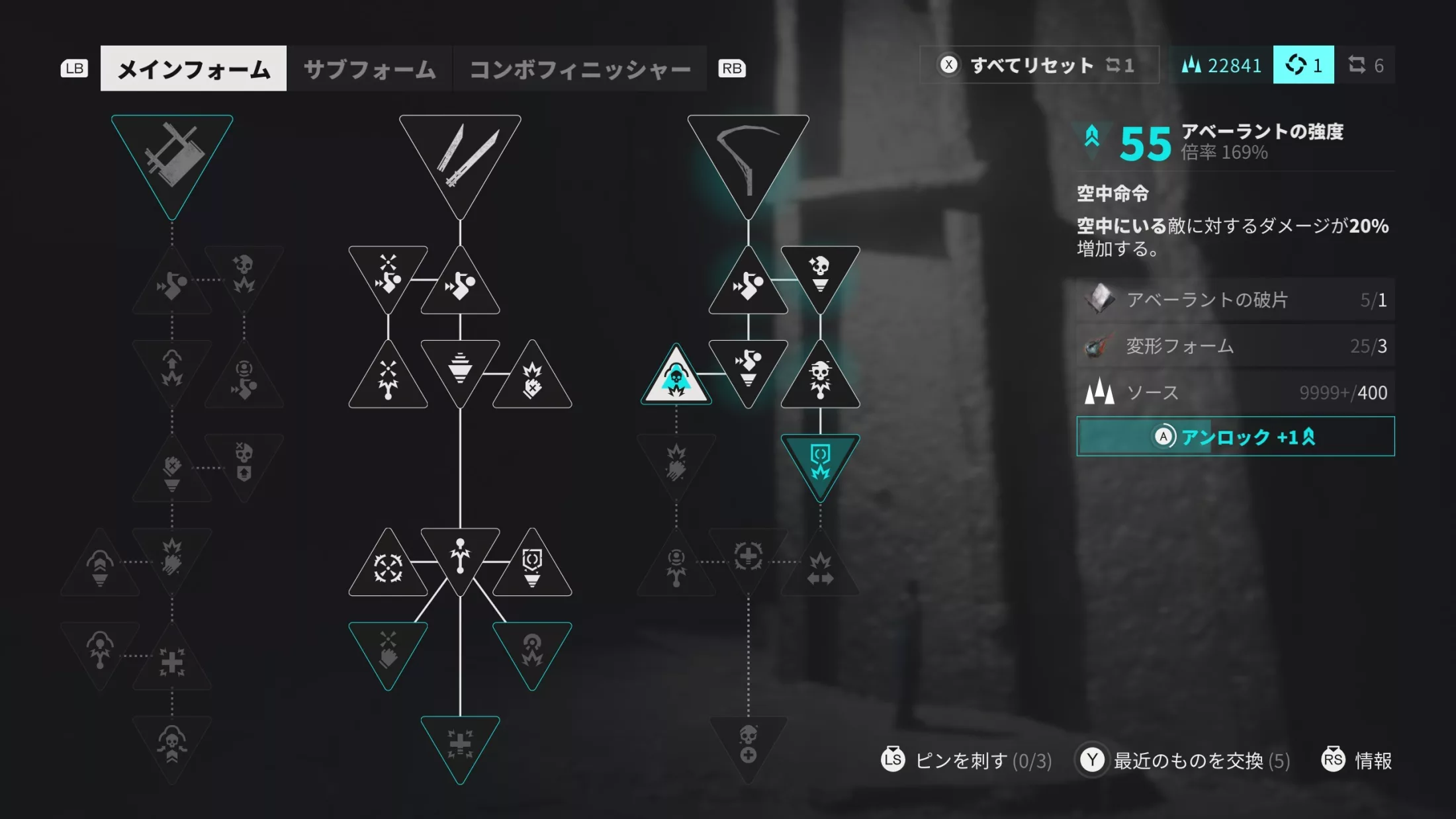
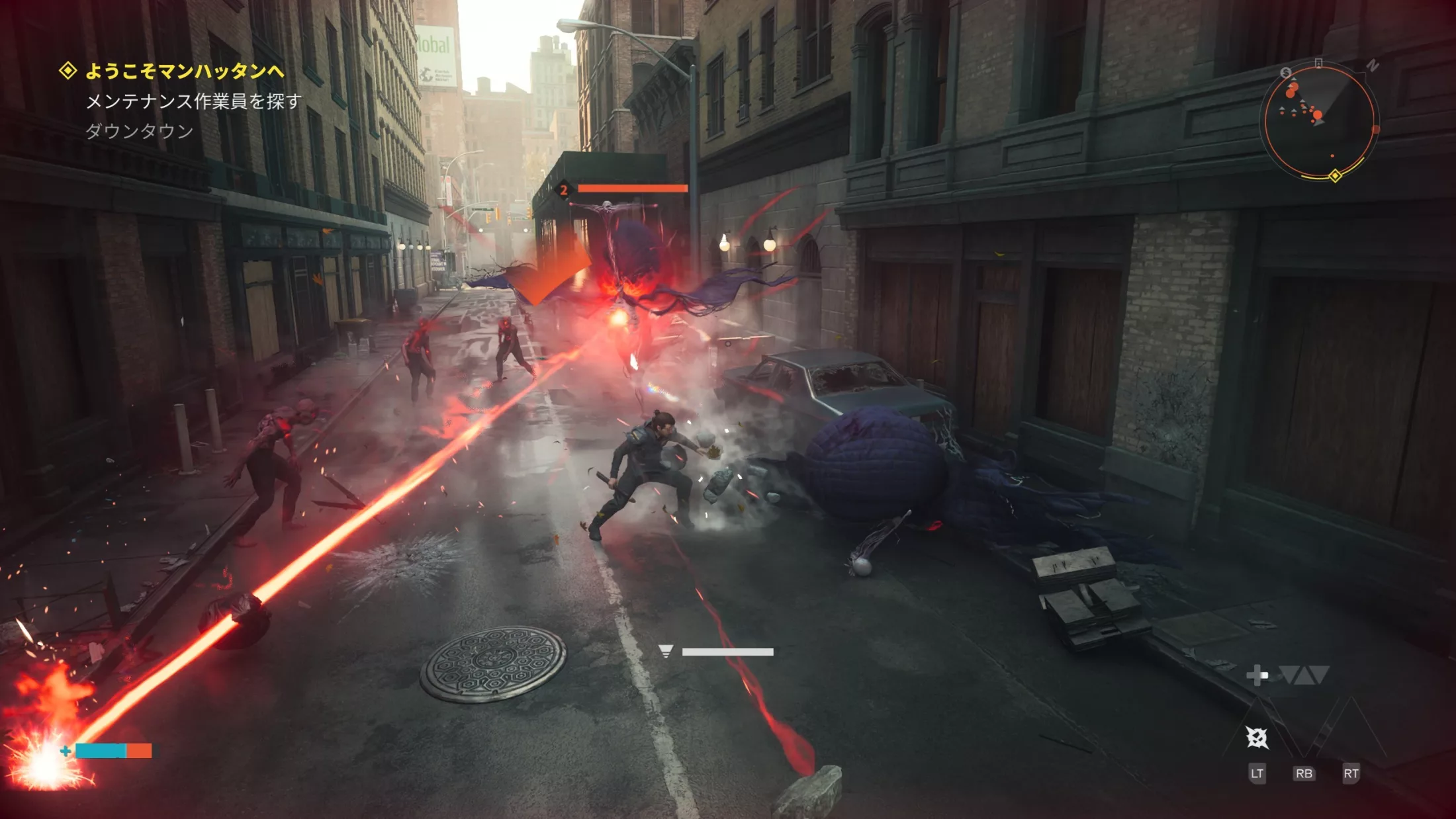
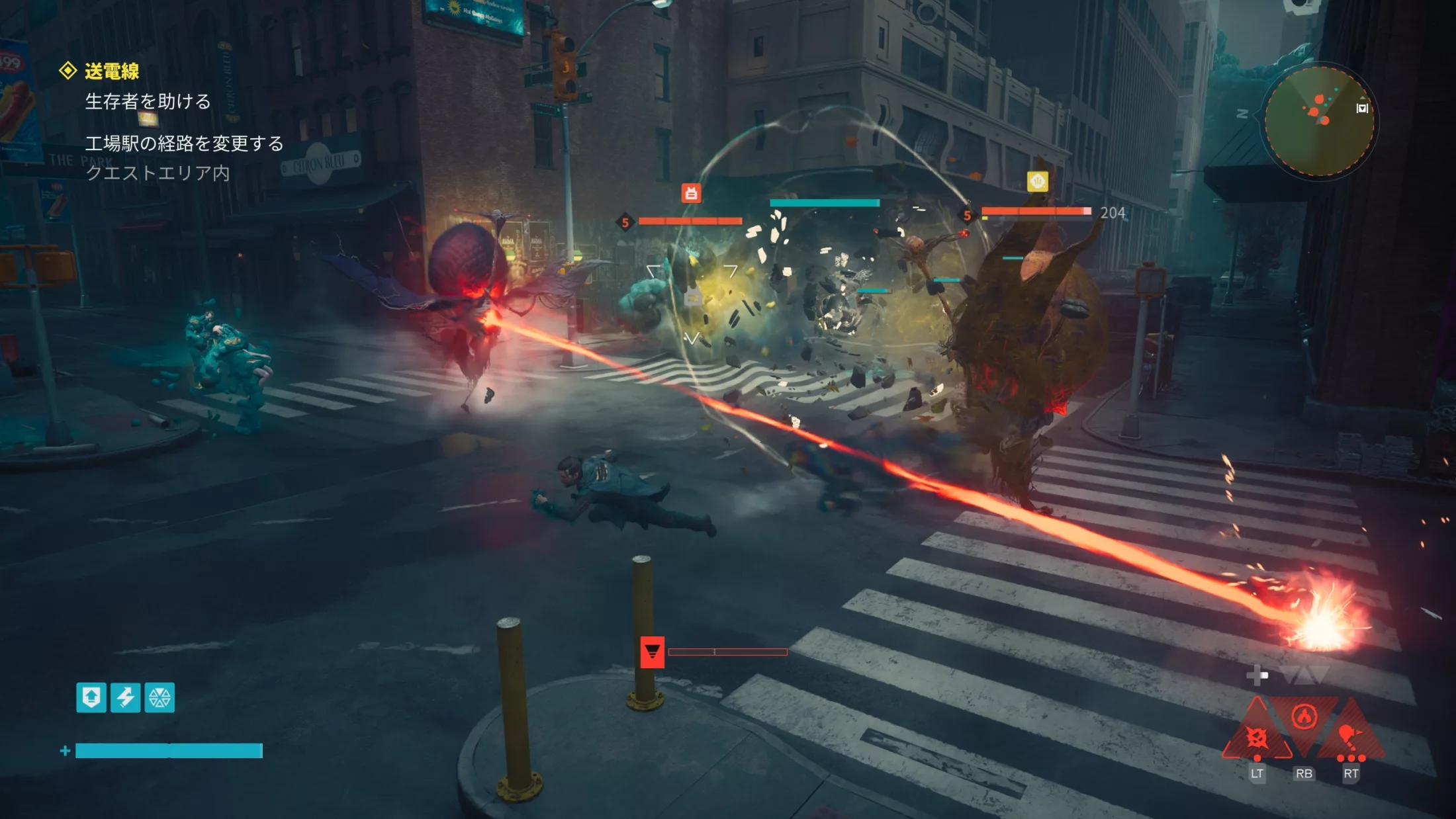
The combat overhaul is another fundamental shift. While Jesse relied on ranged attacks and telekinesis, Dylan is a melee fighter. His primary weapon, the Aberrant, is a shape-shifting paranatural object that can take the forms of blades, hammers, or drills. The gameplay revolves around dynamic form-switching and using abilities to manage resources.
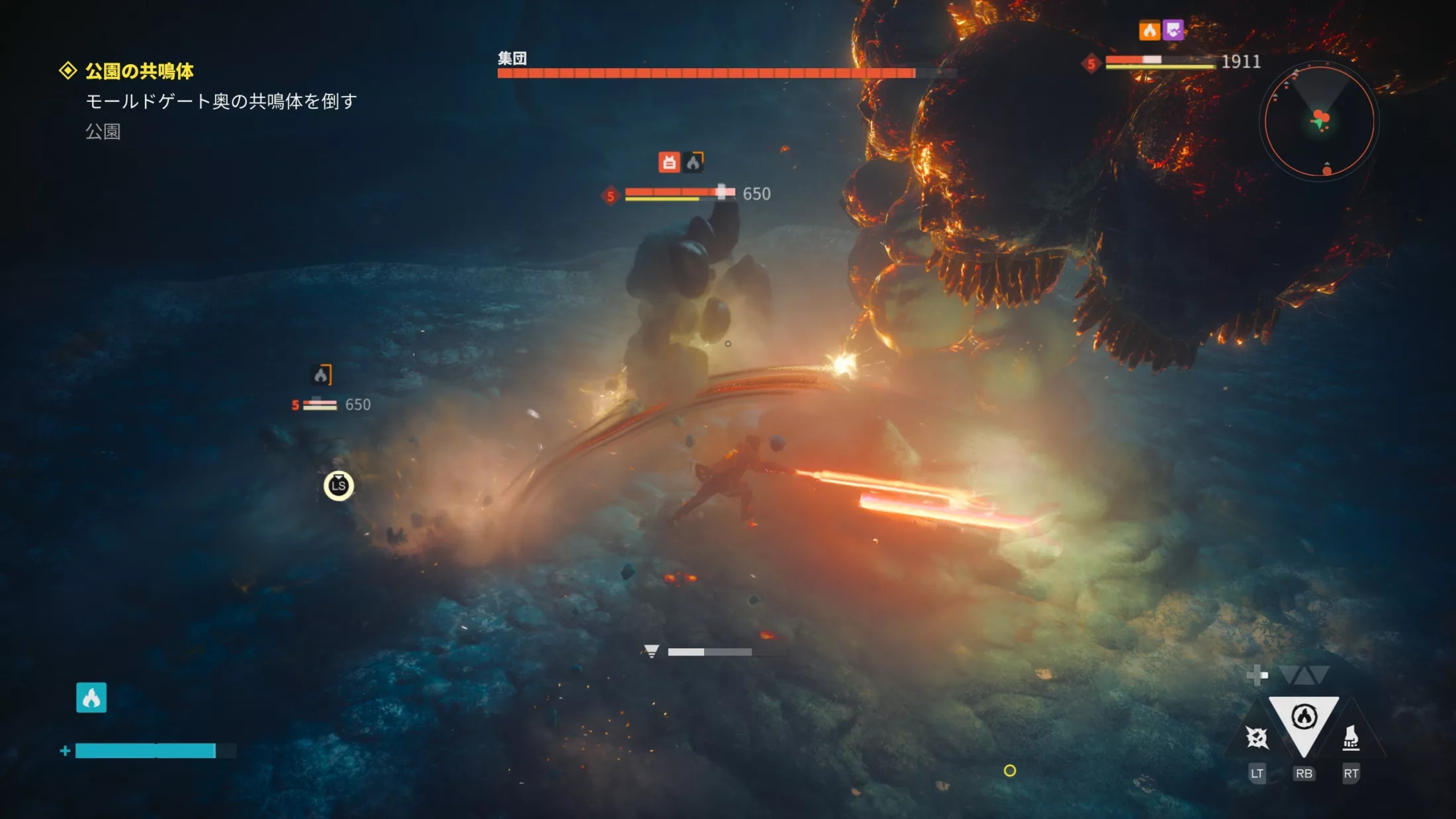
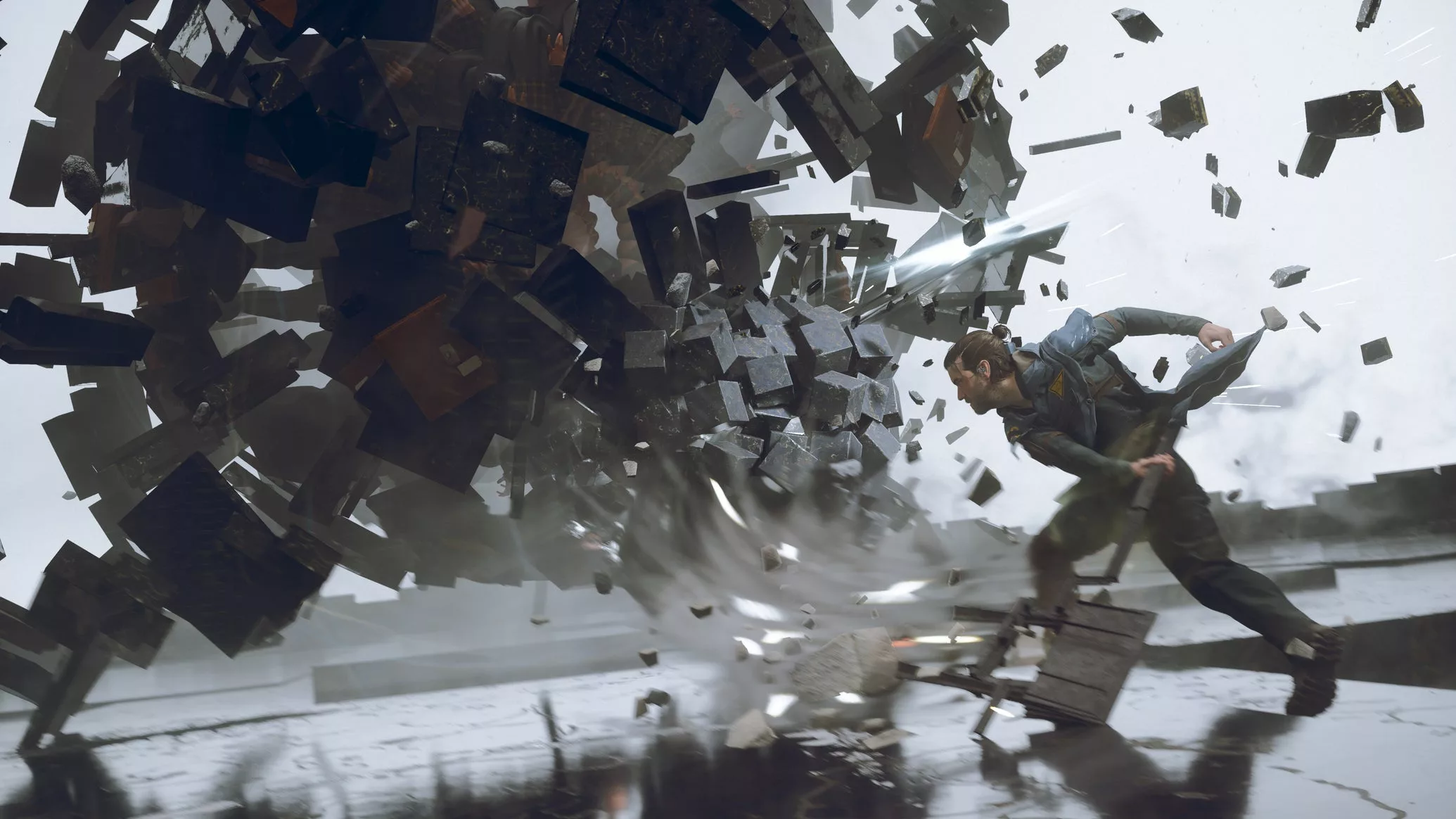
A key mechanic is the "execution" system: by accumulating enough energy through combos or special abilities, players can close the distance and deliver a devastating strike. This makes combat more aggressive and tactical. However, the difficulty can be high: enemies have significant health, and some boss encounters are not traditional fights but something entirely unpredictable.
Story and Characters: Family Drama on a City Scale
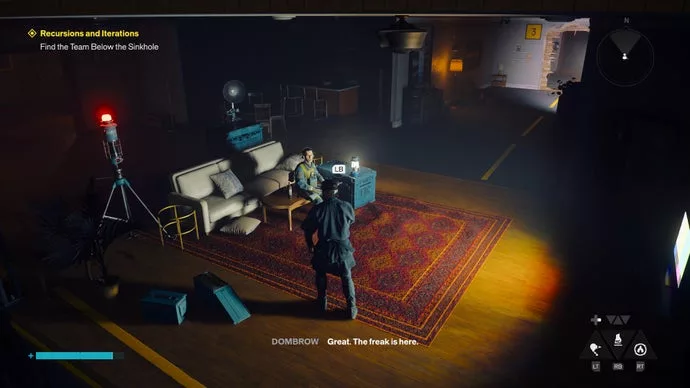
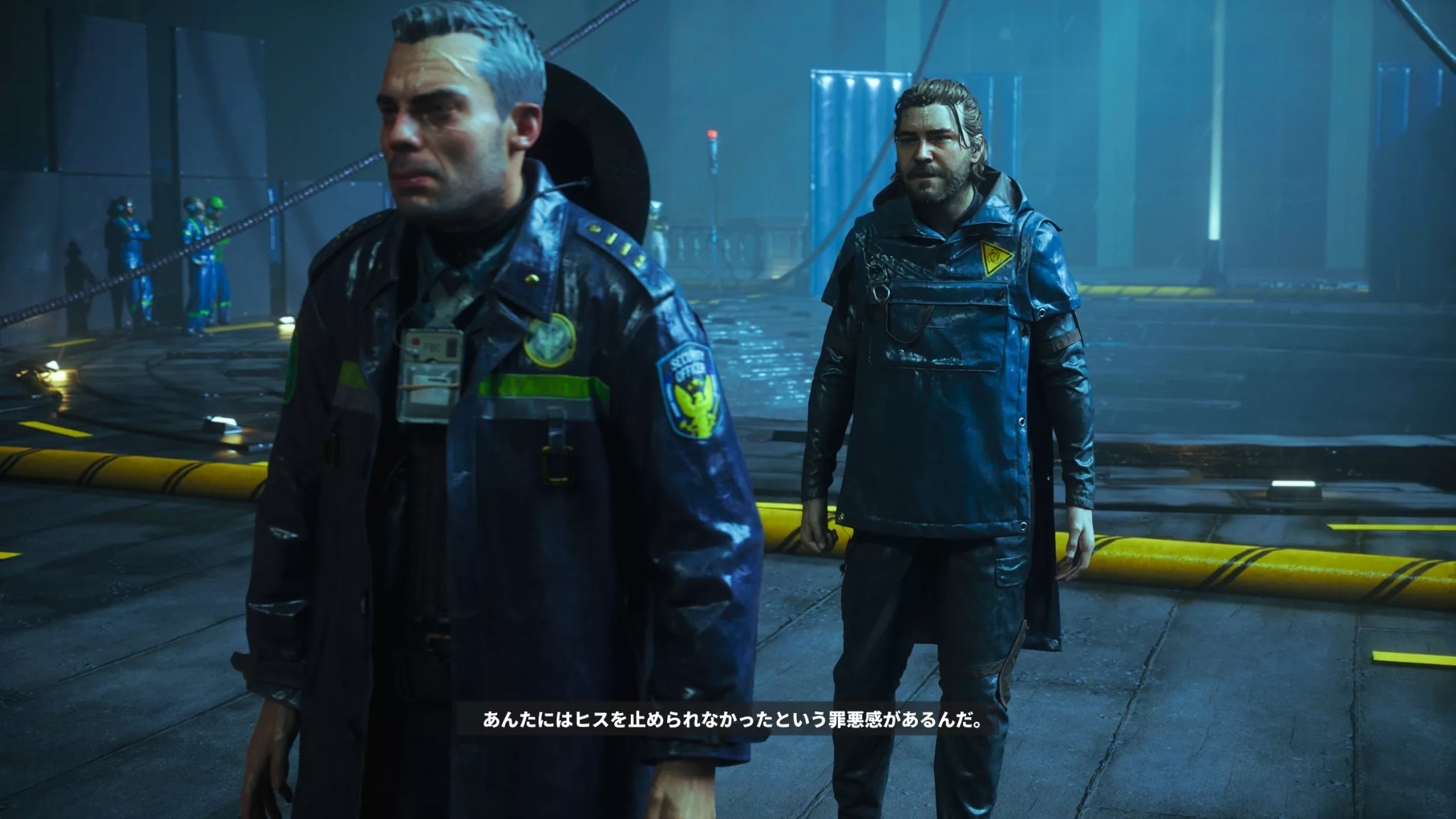
Narratively, Control Resonant focuses on a personal drama. Dylan, a man whose life was shattered by the Hiss and subsequent incarceration by the FBC, seeks his sister Jesse, who has vanished. This makes the story more emotional and grounded than the large-scale intrigues of the first game. The developers have added elements of "art therapy," allowing Dylan to recreate fragments of memories through environmental interaction, deepening his characterization.
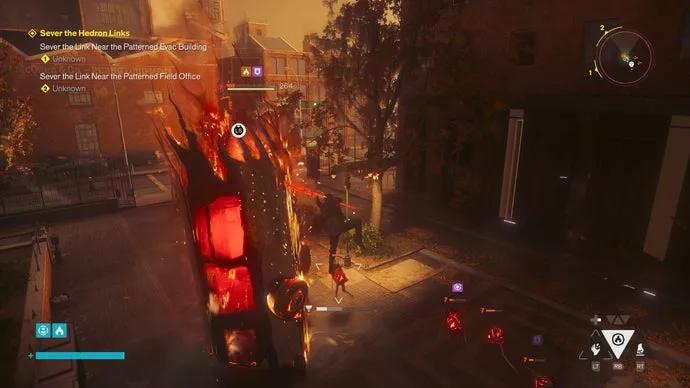
Despite the tonal shift, Remedy maintains its love for environmental storytelling. Collecting documents, audio recordings, and exploring the world's "flavor" remains vital to piecing together the puzzle of a reality that is constantly fracturing.
Verdict: A Risky but Impressive Experiment
Control Resonant is a bold step forward. Remedy Entertainment has taken a risk by shifting the genre toward an action-RPG with open zones and a melee focus. The game may feel too "expansive" for fans of the first part who value its intimacy and mystery, but it offers a unique visual experience and a deep progression system. It is a project that is not afraid to be weird, even if that weirdness is of a different order than its predecessor.

Зануда
