

Researchers create DNA computer that performs 100-bit calculations without electricity
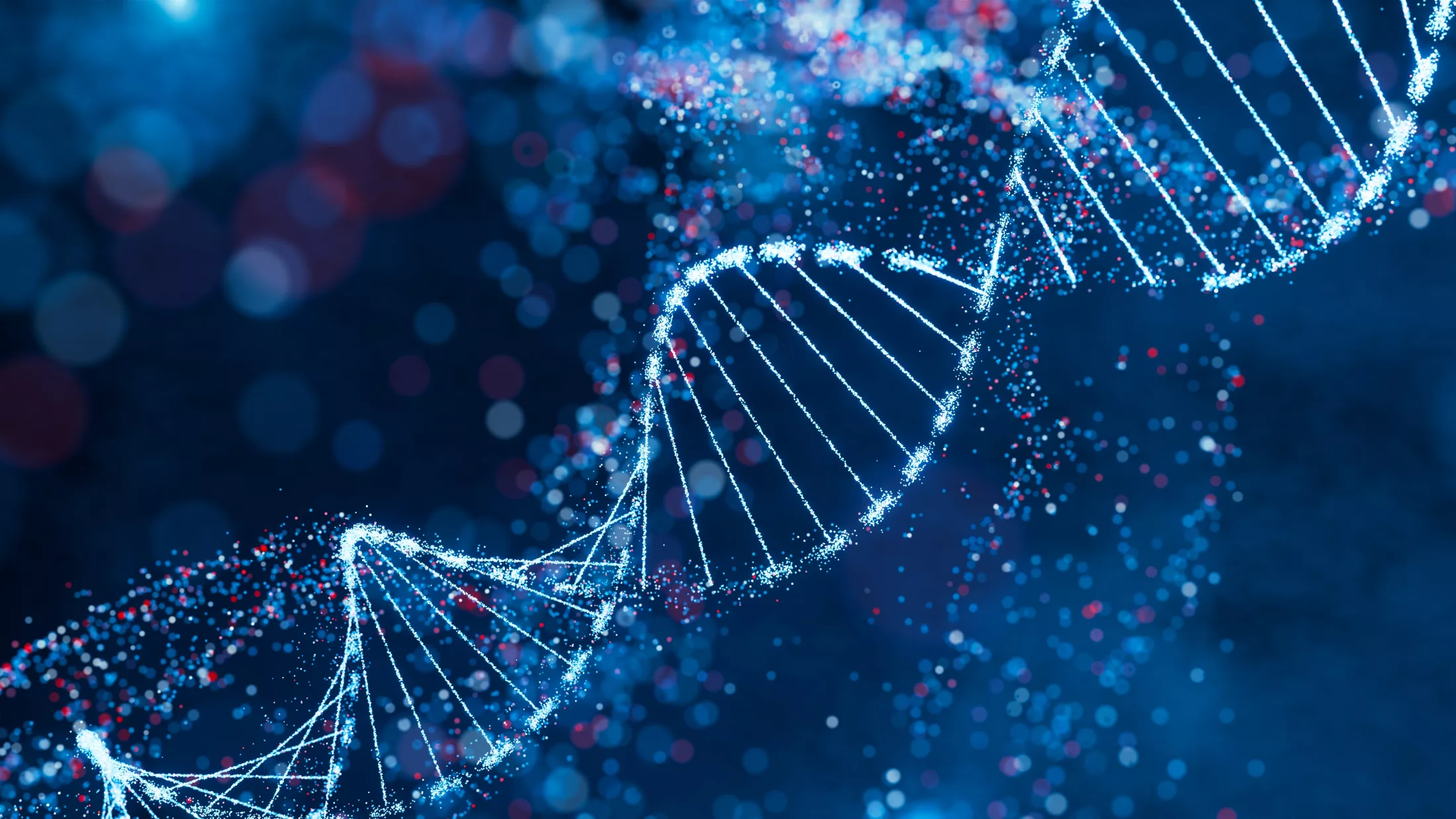
Researchers have developed a molecular system capable of performing 100-bit calculations without electricity. The technology relies on self-assembling DNA strands that act as the primary computing elements.
Unlike traditional silicon processors that rely on electrical impulses, this DNA computer operates through chemical processes. The system utilizes molecular strand self-assembly mechanisms to process data, allowing computations to occur in environments that do not require external power.
A major breakthrough of this development is the system's ability to handle 100-bit data. This significantly exceeds the capacity of many current molecular computer prototypes, which are often limited to much smaller data volumes per cycle. Using DNA as both an information carrier and a computing resource opens potential pathways for highly efficient systems capable of operating in specialized environments where conventional electronics are impractical or impossible. The study also references the ESEA platform.
Гика
