

AMD FSR 4.1 on Radeon RX 6000: Image Quality Outweighs Frame Rate Loss
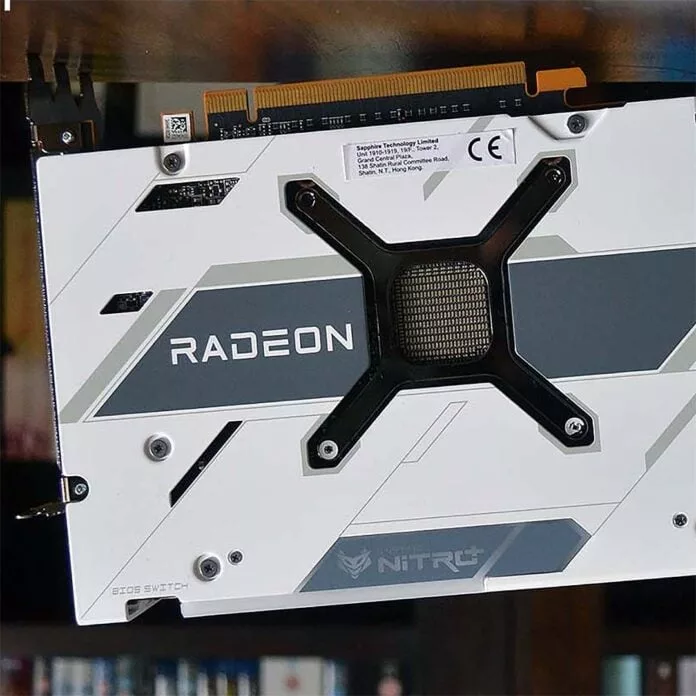
Support for AMD FSR 4.1 arrived for Radeon RX 6000 series GPUs well ahead of the initial 2027 target. Testing reveals that the feature is as effective on these older chips as it is on newer architectures; while the machine learning-based upscaler is heavier on RDNA 2 hardware lacking dedicated AI cores, the leap in visual fidelity makes the performance trade-off worthwhile.
Performance and Benchmarks
Tests conducted by Hardware Unboxed show that FSR 4.1 is notably more demanding on older hardware. Compared to FSR 3.1, frame rates on the flagship Radeon RX 6950 XT dropped by 13–34% across various tests. However, this performance cost is offset by a massive improvement in image stability and clarity.
In titles like Mafia: The Old Country and Horizon Zero Dawn Remastered, the RX 6950 XT's performance with FSR 4.1 remained within 1–5% of the newer Radeon RX 7900 XTX. In Cyberpunk 2077, the gap widened to 10–31% in favor of the newer card, with the difference increasing as users move from Quality to Performance modes. Despite this, the visual output on the RX 6950 XT is practically identical to that of the Radeon RX 9070 XT and the 7900 XTX.
Visual Fidelity Gains
The primary advantage of FSR 4.1 is the significant reduction in visual artifacts. Compared to FSR 3.1, the new upscaler provides a much cleaner, sharper image with significantly less shimmering. This makes the upgrade highly beneficial for RX 6000 series owners looking for superior stability.
While AMD has already released a hyper-optimized version of FSR 4.1 for RDNA 3.5 handhelds like the ROG Ally X, the Steam Deck remains without support. Despite sharing the same RDNA 2 foundations as the RX 6000 series, it is currently unknown if AMD will find a way to downscale the model for the Steam Deck's SoC.
Гика
