

ZeroSpace Guide: Choosing a Faction, Mercenaries, and a Hero for Your First Matches
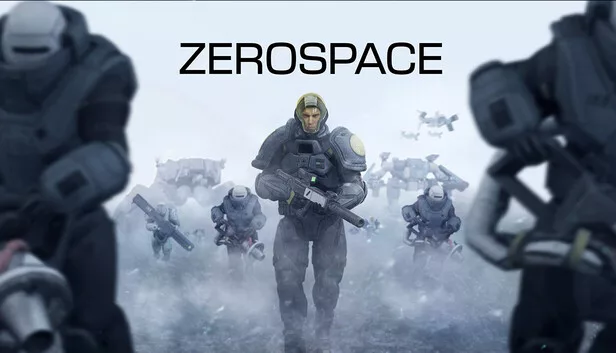
ZeroSpace combines four main factions, six mercenary factions, and heroes, but beginners benefit from limiting variables.
Start With the Main Faction
Choose one main faction and play several matches without constantly changing. Learn worker production, basic combat units, supply growth, and major technology transitions.
Do not memorize every counter immediately. Build a reliable army core that can be produced without stopping the economy.
Add Mercenaries for a Purpose
A mercenary faction supplements the main army. Select it to fill a defined gap such as mobility, range, control, or frontline durability.
If both halves demand different upgrades and complex control, the combination may be weaker than a simple plan.
Hero and XP Towers
The hero is particularly important early and helps contest XP Towers. Do not sacrifice it alone for a small advantage; lost map control and respawn time are usually more expensive.
Learn one basic ability sequence and keep the hero with the army before adding risky flanks and top-bar powers.
Practice Order
Use campaign or AI matches first, then repeat one plan in ranked play. After a loss, identify the first production stop or key positional mistake rather than reviewing everything at once.
ZeroSpace is in Early Access, so balance numbers can change. This guide focuses on economy, composition, and map-control principles instead of a temporary strongest build.
A Repeatable Economy Practice Loop
Break early matches into checkpoints. After starting worker production, check supply, then access to core combat units, and only then plan a technology transition. This order prevents an ambitious plan from stopping because of a basic resource or army-cap mistake.
The training goal is not a sequence perfected to the second, but the removal of long idle periods. When production stops, identify the cause afterward: a late worker, forgotten supply, or premature technology. Fixing one repeated error usually produces more progress than changing factions entirely.
Scouting Should Answer a Question
Before sending a unit out, decide what you need to learn: whether the opponent is expanding, preparing early pressure, or moving quickly toward technology. Scouting without a question becomes extra movement and can lose a unit without producing useful information.
The answer should change the next resource decision. Against an early army, postpone an optional upgrade and reinforce; against quiet development, consider expansion or pressure. Complete map knowledge is less important than a timely decision.
Testing a Faction and Mercenary Pairing
List two strengths of the core army and one clear weakness. A mercenary faction should either cover that weakness or reinforce an established plan. If it adds another production chain without a task, a beginner has more economy and control burden without a clear return.
Test a pairing across several matches while changing only one element. Replacing the hero, mercenaries, and core composition at once reveals little about the cause of success. A small stable set creates the foundation for exploring unusual combinations later.
Reviewing a Replay Without One Convenient Blame
Select three moments after a match: the first serious contact, the largest army loss, and the decision before the game ended. For each, ask what information was available and where resources went. That is more actionable than a general conclusion that play must be faster.
Review the hero separately. Its activity should earn map control or support the army rather than create a constant risk of loss. If it repeatedly moves far from the main force without a clear objective, reduce its range next game and restore complex flanks after the basic rhythm is secure.
Building a Useful Practice Session
Keep one map, faction, hero, and mercenary faction for several games. In the first, monitor production and supply. In the second, add approach control and XP Towers. In the third, focus on the technology transition. Adding tasks sequentially reveals where attention becomes overloaded.
Record only two results: what became consistent and which error repeated. Preserve the reliable element next session and fix one problem. This can feel slower than sampling every faction, but it builds the automatic actions required for meaningful strategic decisions.
A Plan for the Opening Minutes
Confirm worker production and upcoming supply, then establish a core composition that can defend without stopping the economy. Send scouting with a question and keep the hero close enough to support the map and army. Add mercenaries after their function is clear.
Before a major fight, check reinforcements, an exit route, and available abilities. Afterward, do not count losses alone: identify what was gained in position, an XP Tower, time, or economic damage. Winning an isolated fight matters only when it leads to the next objective.
Sources: Starlance Studios official ZeroSpace Steam page, ZeroSpace official website, ZeroSpace official academy.
Редакция MBG
