

Xbox Game Pass July Wave Two: Why Halo Is Surrounded by Day-One Releases
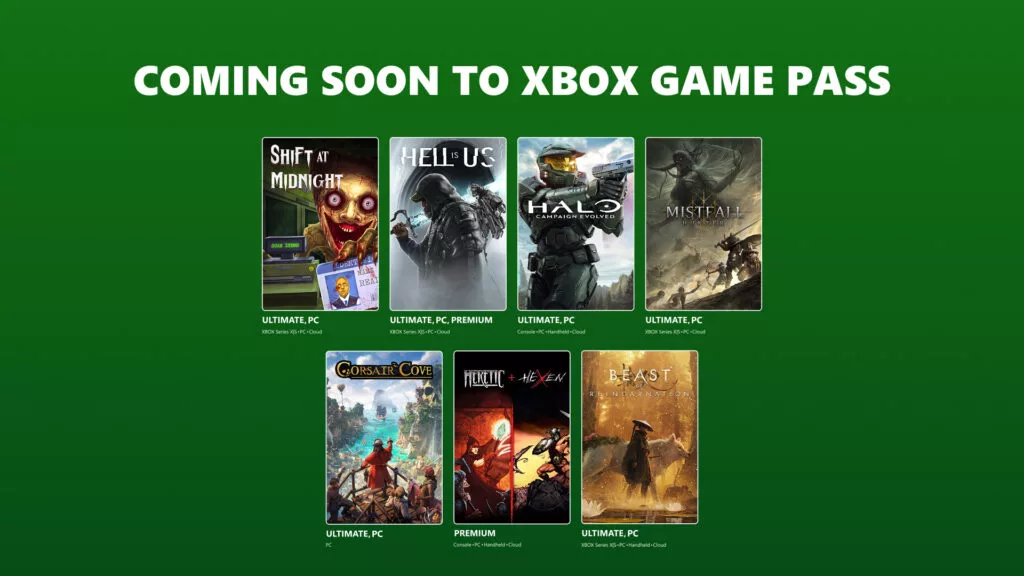
Microsoft combines a recognizable flagship with smaller day-one games, distributing attention across several weeks.
Halo as the Anchor
Halo: Campaign Evolved arrives July 28 as the wave’s most recognizable name. The remake provides returning players with nostalgia and gives newcomers an entry point before Halo: E-Day.
A flagship creates a clear return date, but one title cannot sustain catalog use across an entire month.
The Role of Day-One Games
Shift At Midnight arrives July 22, while Tears of Metal adds cooperative roguelike action. They provide different session types before Halo.
Day-one access reduces the cost of trying an unknown game but shifts risk to retention: if the opening hours fail, subscribers can move immediately.
Breadth Over One Genre
Horror, mass melee action, and a campaign FPS share the wave. Genre variety reduces the chance that the entire update is irrelevant to one subscriber.
Logo count is not value. Practical value depends on games actually launched and completed before any future catalog departure.
What the Strategy Shows
Game Pass uses a first-party series as the storefront while giving smaller releases immediate access to an audience. For indies, that can help form a co-op community quickly.
Microsoft benefits if a subscriber comes for Halo but stays for a sequence of additional reasons to open the service.
A Catalog as a Calendar, Not One Premiere
The wave distributes reasons to open Game Pass across several dates. A July 22 day-one release can attract horror or co-op players, while Halo: Campaign Evolved creates a broader late-month anchor on July 28. A subscription depends on intervals between launches as well as its largest logo.
That schedule reduces reliance on one evening. A subscriber can try a short cooperative session, move to another game, and return for a major campaign. This is an inferred effect of the wave’s composition, not a guarantee that every user remains engaged.
What Day One Changes for Smaller Games
For a project without a famous franchise audience, subscription availability removes a separate purchase decision and makes the first launch easier. That is particularly useful for co-op, where simultaneous access can bring friends into one session. The low entry barrier also creates a low exit cost.
Opening hours must explain the core loop, the quality of shared play, and a reason to return. If onboarding is unclear or technical trouble appears, many alternatives sit nearby. Day-one access broadens discovery, but does not create a lasting community by itself.
Why Halo Works as the Anchor
Halo: Campaign Evolved has a recognizable campaign and a clear remake proposition, reducing the amount of explanation required before a player understands its significance. Microsoft can place that name near the end of the wave and preserve a prominent date after smaller releases.
The remake also serves as an entry point before Halo: E-Day. That connection extends the path of interest, although subscriber value still depends on the quality of Campaign Evolved itself and a desire to finish the campaign, not its position in a calendar.
How a Subscriber Can Evaluate the Wave
A practical method is to separate games into must-play, curious trial, and reserve, then compare them with available time before the next major date. That list reflects subscription value better than the raw number of additions.
Availability is also not ownership. Catalogs change over time, so a long campaign should begin around real plans rather than an intention to play someday. The July wave has genre breadth, but personal value comes from games actually launched and sessions actually completed.
The Advantage and Risk of a Broad Selection
Different genres let one wave address several audiences without asking one game to satisfy everyone. Horror, cooperative roguelike action, and a campaign FPS serve different needs and session lengths. That is more useful to a subscription storefront than several similar games competing for one user in the same week.
Breadth also complicates promotion. Smaller releases can disappear beside Halo unless the service explains their distinction. Recommendations, collections, and homepage position become part of the outcome. Catalog presence creates availability; discovery depends on whether the right audience sees a clear proposition.
What the July Wave Ultimately Shows
Microsoft uses Halo as the recognizable center and day-one releases as intermediate activity points. It is a balanced service structure: a major name restores attention while smaller games provide reasons not to wait for one date. Success is measured by trials becoming repeat launches, not announced title count.
For a player, the conclusion is simpler. If only Halo: Campaign Evolved matters, everything else remains a bonus rather than required value. If experimenting across genres without separate purchases is appealing, the July composition demonstrates the catalog’s main advantage. Final value comes from game quality and time actually spent playing.
Sources: Xbox Wire official July 2026 wave two announcement, Halo Studios official Campaign Evolved page, Bun Muen and Paper Cult Games official release pages.
Аналитика MBG
