

Xbox Project Helix could cost up to $1,800, Xbox handheld set for 2027
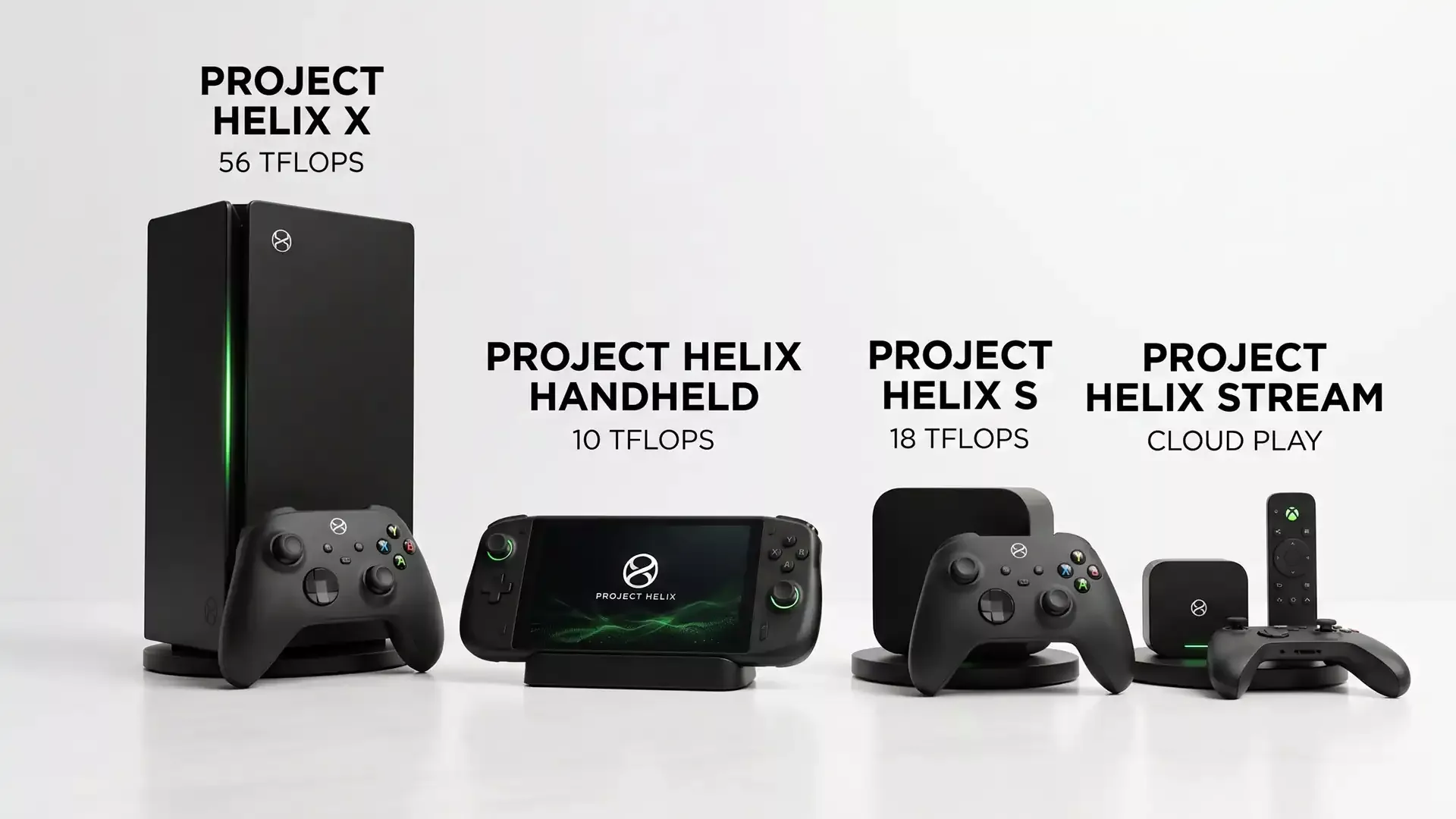
The future of the Xbox ecosystem might be significantly more expensive than expected. A new report from Fortune suggests that Microsoft is targeting the 2027 holiday season for a next-generation handheld, followed by the Project Helix console in late 2028. It is important to note that these release windows and details have not been formally confirmed by Microsoft.
Project Helix: High Price and High Performance
One of the most striking details from the leak is the projected cost of Project Helix. Internal estimates suggest a consumer price ranging from $1,200 to $1,800, unless Microsoft decides to subsidize the hardware as they have with previous generations. This high price tag is reportedly driven by rising component costs, including memory shortages, and the goal of achieving high-end GPU performance, potentially comparable to GeForce RTX 5080 class hardware.
The next-generation Xbox is expected to behave more like a PC than a traditional console, offering potential for productivity tasks alongside gaming. This shift suggests a move toward high-performance hardware that bridges the gap between consoles and enthusiast-grade desktop components.
The Battle Over the Operating System
The report also highlights internal friction between Xbox and Windows engineers at Microsoft. According to Fortune, Windows executives proposed using a reduced version of Windows Home for the handheld. However, Asha Sharma's team pushed for a custom, controlled software environment to maximize gaming performance. The disagreement was reportedly so intense that a senior Xbox executive threatened to cancel the handheld project entirely rather than accept the proposed Windows build.
While Xbox has reportedly gained more control over the OS development, Asha Sharma emphasized that total independence is not the goal: "We can’t build Helix on our own," she stated, highlighting the ongoing necessity of collaboration with Windows engineers.
Accelerated Development Timelines
Development for these devices is reportedly picking up speed. Sources familiar with the process claim that engineering deadlines have been moved forward by several months, increasing the pressure on teams working at Microsoft’s Building 87 hardware lab under Carl Ledbetter. The team is currently reviewing Project Helix prototypes and exploring potential partnerships to secure the next-generation hardware components.
Гика
