

Why Japanese studios suffer fewer layoffs
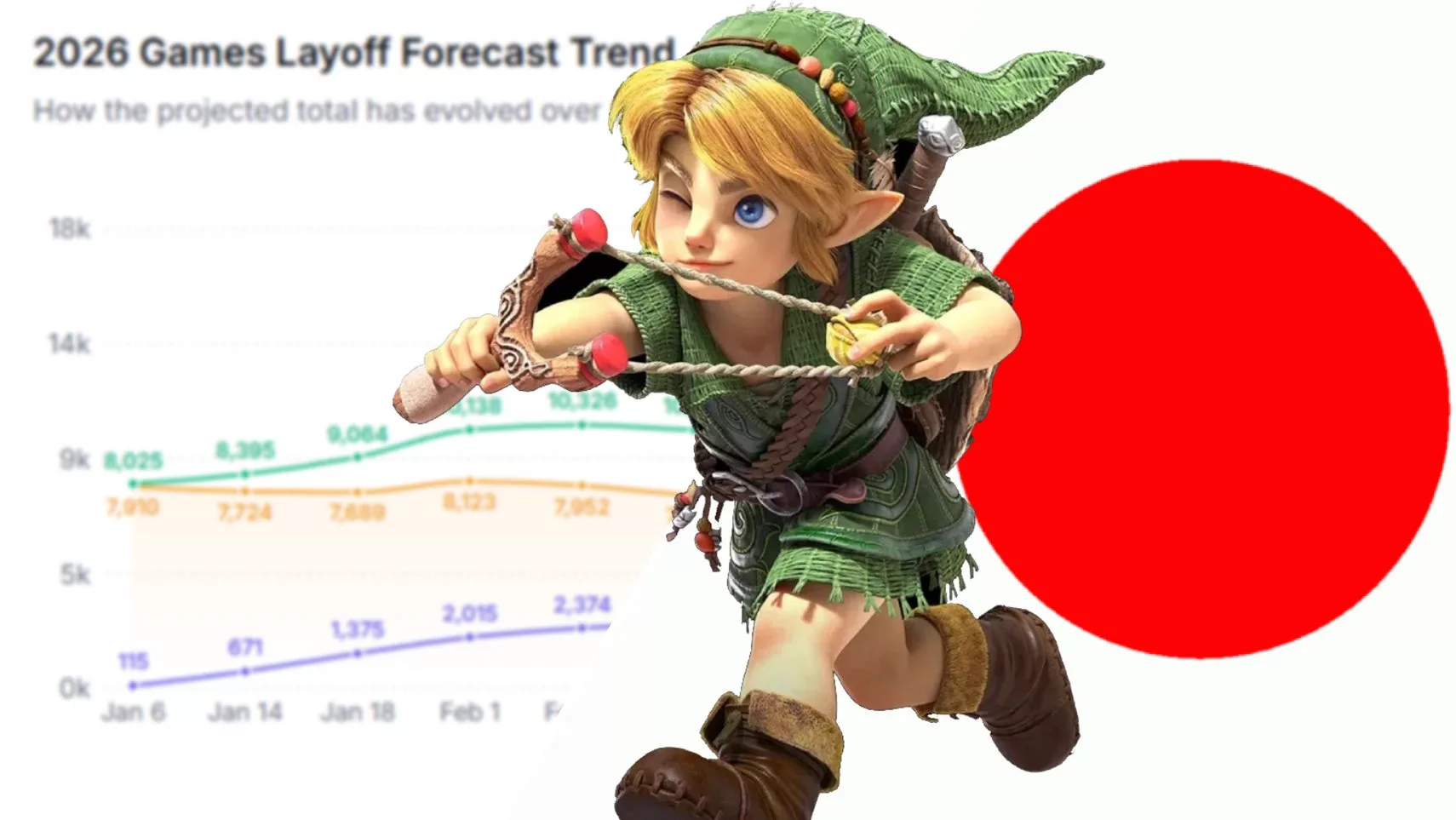
While the video game industry faces a period of mass layoffs, the Japanese sector appears significantly more resilient. In an interview with Edge magazine, Amir Satvat, who has been running the ASGC Games Industry Layoffs Tracker since 2022, highlighted the fundamental differences between Japanese and Western approaches to studio management and budgeting.
According to Satvat, Japan is a "completely different ballgame" than the West. He notes that Japanese studios have largely avoided the pitfalls of the live-service trend and the pursuit of massive blockbuster teams with 500-person rosters. Instead, they tend to operate with smaller, leaner teams that focus on specialized subjects rather than chasing industry-wide trends.
A critical factor in this stability, Satvat argues, is the disparity in executive compensation. While leaders at Western giants like EA and Take-Two have seen salaries reaching $38.6 million and $42.1 million respectively, Japanese executives earn significantly less—typically in the range of two to three million dollars. This difference plays a major role in maintaining financial health during industry downturns.
Satvat also pointed out a specific strategy regarding cost-cutting: when Japanese studios need to reduce expenses, they often focus on contractors based outside the country rather than local staff, aiming to "protect core staff in Japan." This approach is reflected in high retention rates; companies such as Nintendo, Capcom, and Konami maintain staff retention rates of 97 percent or more.
The scale of the crisis in the West is stark. Satvat’s tracker shows that 57,628 jobs were lost across the industry between 2022 and 2026. Notably, the vast majority of these layoffs have been concentrated in North America and Europe. Satvat compared the current situation for Western developers to the 1983 industry crash, describing the region as "ground zero" for the ongoing disruption.
Флешка
