

Why the Core i7-14700K is Intel's Current Best-Seller
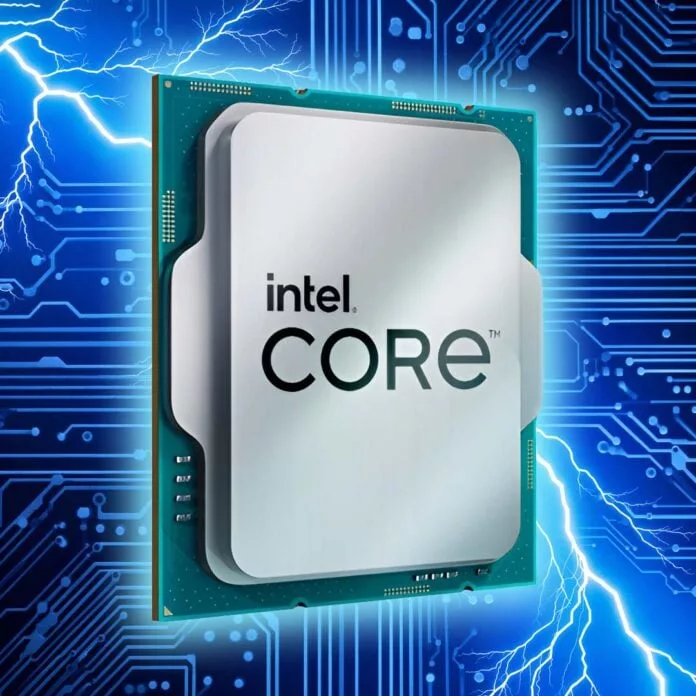
A curious trend has emerged in the desktop CPU market: while Intel attempts to pivot with new architectures, its most popular product on Amazon is a three-year-old chip. The 20-core Core i7-14700K is currently outperforming even the latest releases, holding its ground despite the overwhelming presence of AMD silicon in the best-seller charts.
Market data from Amazon US shows the Core i7-14700K sitting at number 14, marking the first Intel chip to break through the sea of AMD processors. In the UK, the iGPU-free Core i7-14700KF holds the 10th spot. This persistence is notable because even the newer, more efficient Core Ultra 7 270K Plus—designed to offer better gaming performance than the flagship Core Ultra 9 285K—has failed to capture the same level of consumer interest.
The Memory and Socket Dilemma
The popularity of the 14th Gen chip is largely driven by consumer pragmatism. The new Arrow Lake series mandates the use of DDR5 memory, which remains a significant cost barrier for many builders. In contrast, the Core i7-14700K offers flexibility by supporting both DDR5 and the more affordable DDR4, allowing users to upgrade their existing LGA1700 platforms without a total overhaul.
Longevity is another decisive factor. While Intel's current LGA1851 socket is largely limited to the Arrow Lake family, AMD's AM5 platform offers a clear upgrade path toward future generations like Zen 6. For DIY enthusiasts, the ability to keep a motherboard for several years is a vital consideration that currently favors the AMD ecosystem.
The Sweet Spot of the 14th Gen
Interestingly, it is the Core i7-14700K, rather than the budget-friendly Core i7-14600K or the top-tier Core i7-14900K, that is dominating the charts. This suggests the chip has hit a 'sweet spot' in terms of price-to-performance:
- It features 12 E-Cores, compared to 8 on the 14600K.
- It provides two additional P-Cores over the 14600K, which is critical for gaming performance.
- It offers a higher boost clock of 5.5GHz versus 5.3GHz on the lower-tier model.
- It avoids the extreme thermal and power demands of the 14900K while delivering significantly more multi-threaded capability than the 14600K.
Looking Ahead: Intel's Strategic Shift
The success of the 14700K may signal that Intel is learning from its recent architectural transitions. Robert Hallock, VP and GM of Intel's enthusiast channel, has indicated a move toward longer-lived sockets, with the upcoming LGA1954 expected to support four generations of CPUs. This would be a significant improvement over the limited lifecycle of the LGA1851 socket.
Furthermore, rumors suggest Intel is preparing to tackle AMD's 3D V-Cache dominance. The potential introduction of a large last-level cache (bLLC) technology in the Nova Lake architecture could be a game-changer for gaming performance. If Intel can successfully combine socket longevity, memory flexibility, and advanced cache technology, the composition of the Amazon best-seller charts could look very different by next year.
Note: This analysis is based on Amazon sales trends and attributed statements from Intel representatives; future hardware specifications are subject to change.
Цифра
