
"Why do we need more graphics?": 2010's Alan Wake was as photoreal as videogames ever needed to be, reckons original Thief designer
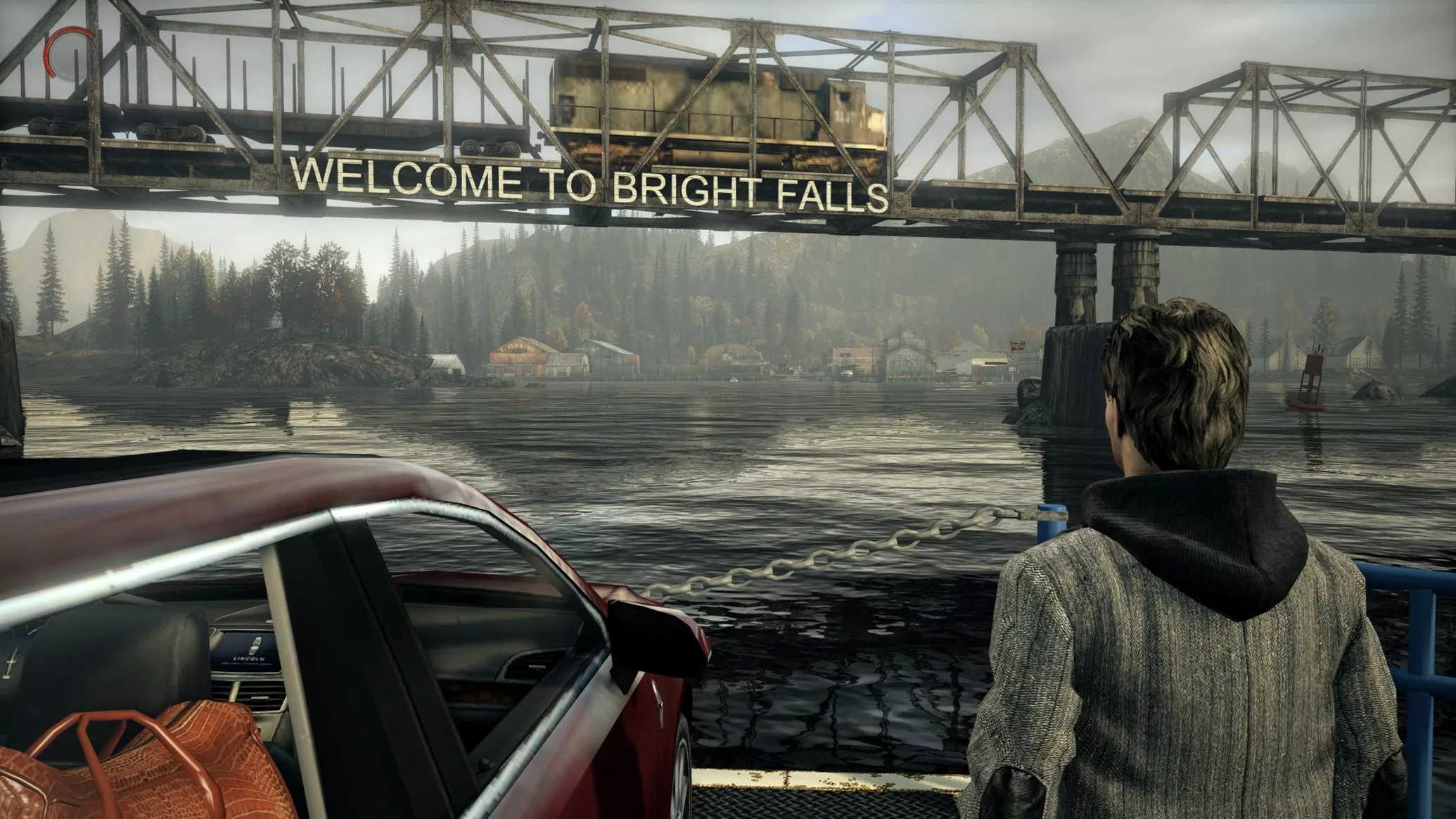
In a recent interview with PC Gamer, Randy Smith Evergreen, a veteran game designer known for his work on the original Thief: The Dark Project and his collaborations with Steven Spielberg, shared a controversial perspective on the current state of visual fidelity in the gaming industry. He argues that the pursuit of hyper-realism has reached a point of diminishing returns, suggesting that the graphics in 2010's Alan Wake were already as photorealistic as the medium truly needs to be.
The 'Fidelity Curve' and the Cost of Spectacle
Smith Evergreen expressed concerns regarding the escalating technical demands of modern titles, describing the current trajectory of graphics as an "outrageous" spectacle. He pointed to Remedy Entertainment's Alan Wake as a benchmark for effective visual storytelling. According to the designer, the game successfully established a sense of place and atmosphere—specifically the Pacific Northwest setting—that allowed players to fully immerse themselves in the world without needing further graphical advancements.
The core of his argument rests on the relationship between visual fidelity and production costs. Smith Evergreen noted that while high-end graphics are impressive, they come with a massive price tag, and he questioned whether the incremental improvements seen in recent years justify the investment. He suggested that once a game successfully communicates its
Флешка
