

PlayStation reportedly dumped Hideo Kojima spy action game Physint over exceeded budgets, missed deadlines, and Death Stranding sales
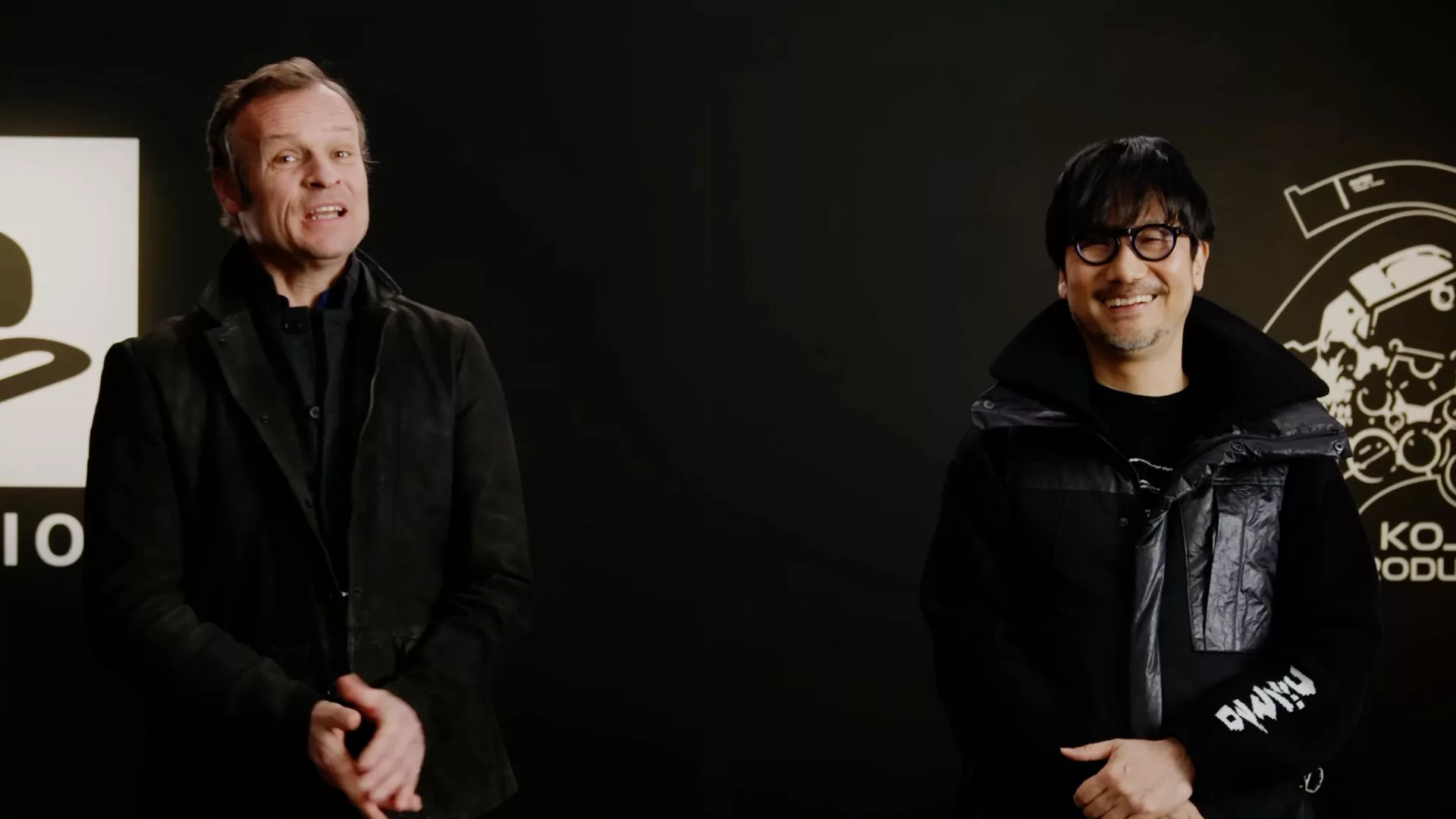
Following the recent announcement that the spy action title Physint, helmed by Hideo Kojima, has switched publishers from PlayStation to Xbox, new reports have surfaced regarding the reasons behind this high-profile departure. While the transition was framed by both parties as an amicable split, Hideo Kojima previously suggested that PlayStation had attempted to cancel the project. Recent data suggests a combination of financial, production, and strategic factors led to Sony deciding to distance itself from the Kojima Productions title.
Financial and production hurdles
According to a report from Bloomberg, several key issues contributed to Sony's decision to drop Physint as a first-party publishing priority. A primary driver appears to be the commercial performance of previous collaborations. Specifically, both Death Stranding and Death Stranding 2 reportedly failed to generate the level of revenue that PlayStation had anticipated, leading to skepticism regarding the long-term profitability of Kojima Productions' upcoming slate.
Beyond direct revenue concerns, the project faced significant internal scrutiny regarding its development lifecycle. Kojima Productions reportedly missed several critical production deadlines. This lack of adherence to milestones comes at a time when Sony has implemented much stricter oversight and more rigid production requirements across its studios, a shift in strategy following the high-profile failure and rapid shutdown of Concord.
Furthermore, the project's budget was reportedly projected to exceed original estimates significantly, even with the game still being years away from its anticipated release date. This financial volatility, combined with the uncertainty of the release window, made the project a high-risk asset for a company currently focused on fiscal discipline.
Strategic misalignment and exclusivity
A major strategic sticking point involved the platform exclusivity of the title. Reports indicate that Sony was hesitant to continue funding the project because a permanent PlayStation exclusivity was no longer guaranteed at the finish line. This lack of a guaranteed platform monopoly undermined the value proposition for Sony, which has been increasingly cautious about opening its purse strings for high-budget titles that might not remain locked to its ecosystem.
The fallout from this decision has resulted in a significant public relations shift. By losing the rights to Physint, Sony has effectively handed a major prestige title to its primary competitor, Xbox. This move not only strengthens the Microsoft gaming lineup but also increases the likelihood of a PC port, further diluting the potential exclusivity benefits that PlayStation originally sought to secure.
The situation highlights a broader trend within the 2026 gaming industry, where even established, household-name creators like Hideo Kojima are no longer immune to the rigorous financial and milestone-based scrutiny of major platform holders. For large publishers, the prestige of a high-profile auteur no longer seems sufficient to offset the risks of budget overruns and missed deadlines.
Цифра
