
Valve reportedly working on Steam Frame OLED with high-res displays
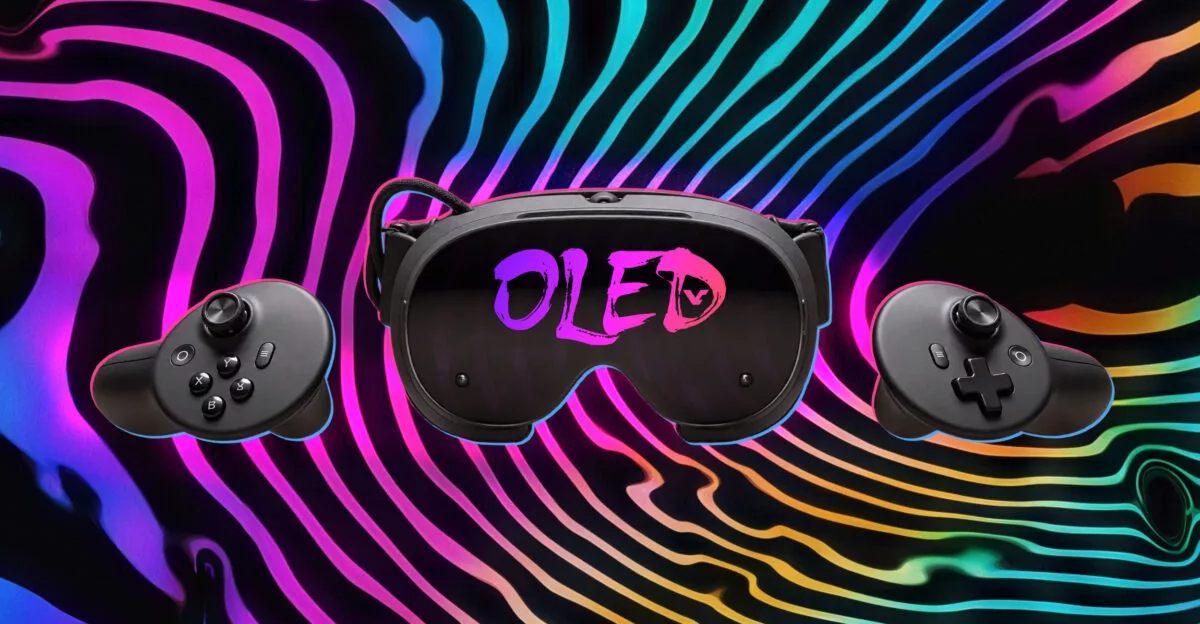
References to a device codenamed “Plano” have appeared in the Linux kernel source code used by SteamOS. According to SteamFrameHub, this suggests that Valve may be developing an OLED revision of its Steam Frame VR headset.
Display specifications and resolution
Two development branches, “deckard-oled” and “deckard-plano,” were identified in the codebase. Development activity suggests the project was being worked on as recently as October 2026. The rumored OLED version is expected to utilize MicroOLED panels with a resolution of 3,552×3,840 per eye, nearly triple the pixel count of the current Steam Frame LCD model (2,160×2,160).
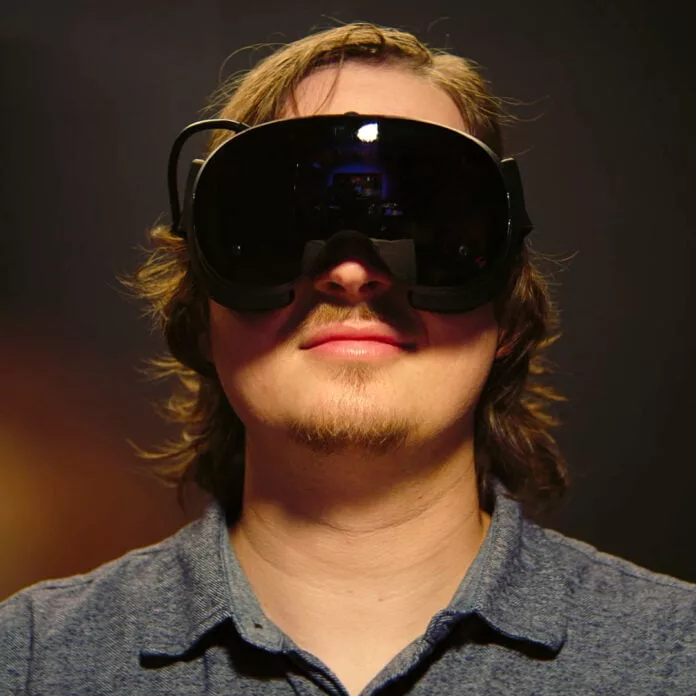
The target refresh rate for this OLED iteration is reportedly 90Hz, though the code also mentions an experimental 120Hz mode that is not yet functional. The resolution and refresh rate specs align with those of Samsung Galaxy XR MicroOLED panels, though the specific manufacturer has not been confirmed.
Performance limits and scaling techniques
The headset is expected to retain the Qualcomm Snapdragon 8 Gen 3 processor. To accommodate the display bandwidth and processing limits of the SoC, the default output resolution may be set to 1,776×1,920 per eye—actually lower than the standard LCD version. To mitigate this, Valve is reportedly working on a 1.5× scaling mode that utilizes DSC (Display Stream Compression) to boost the output to 2,368×2560.
Additionally, the code contains references to “fovial scaling,” likely referring to foveated scaling. Unlike standard foveated rendering, this technique leverages the display controller to scale specific sections of the image based on the user's gaze. This approach aims to reduce bandwidth requirements and allow for higher detail in the center of the field of view without requiring the processor to render the entire frame at native resolution.
There is currently no official confirmation regarding a release date or even a definitive plan for this hardware. Given the history of hardware delays at Valve, the project may remain in the experimental stage.
Гика
