
Valor Mortis review: A frantic fusion of swordplay and parkour
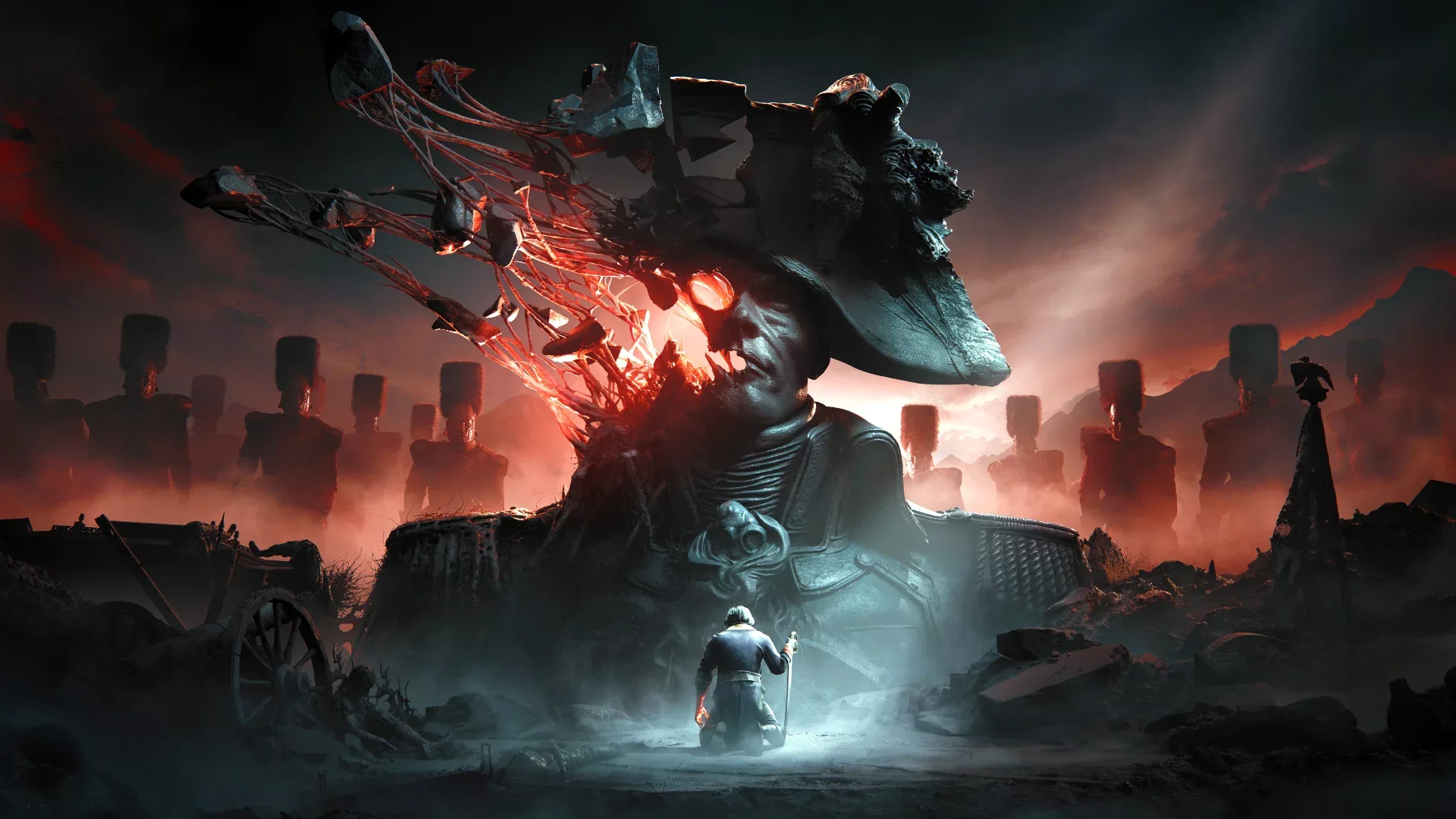
It is hard not to draw parallels to the developer's previous hit. Valor Mortis is the latest offering from One More Level, the studio behind the lightning-fast Ghostrunner. However, as William Dowsett, a soldier in Napoleon's Grande Armée, rises from a blood-soaked battlefield, the initial impression is less about pure speed and more about the methodical, punishing dance of a Soulslike. Yet, the game refuses to stay in one lane for long.
Combat: The rhythm of steel and lead
For the first few hours, Valor Mortis operates within the established boundaries of the genre. You wield a saber to attack and block, managing your Endurance while looking for openings. Successful parries can break an enemy's posture, leading to devastating ripostes, while dodging unblockable attacks can trigger a rewarding slow-motion window. The combat is visceral, often ending in gruesome decapitations that provide a satisfying sense of impact.
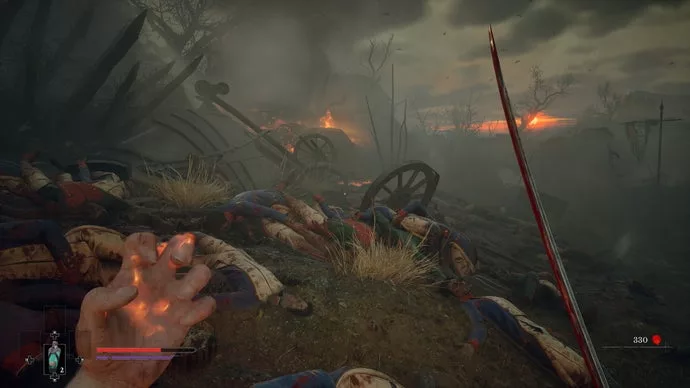
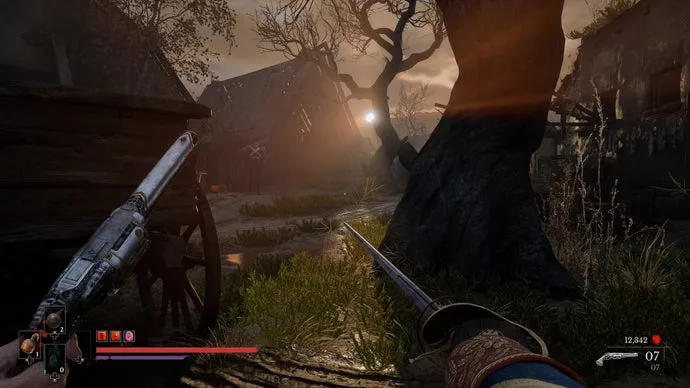
The real shift occurs when firearms enter the fray. While the gun-blade setup might evoke Bloodborne, the pacing is significantly more aggressive. You can draw your pistol and fire mid-movement without losing momentum, creating a seamless flow between ranged and melee combat. A key tactical element is the Red Plague pustules on enemies; hitting these randomized glowing spots breaks their defenses. This turns combat into a breathless 'run-gun' experience where you might land a preliminary shot to interrupt a rifleman before closing the distance for a flurry of saber strikes.
The progression system offers meaningful variety. You can swap your starting saber for a rapier—a high-risk, high-reward weapon that excels at posture damage through parrying but lacks a traditional block. Additionally, Nephtoglobin-powered magic allows for elemental manipulations, such as flamethrower-like hands or stasis effects. This toolkit is essential when facing a diverse roster of enemies, from erratic villagers with pitchforks to elite soldiers wielding massive claymores.
Movement and World Design
Where Valor Mortis truly breaks away from its genre peers is through its commitment to parkour. What starts as simple ledge-jumping quickly evolves into a sophisticated movement system involving wall-running, grappling hooks, and mid-air platforming. The ability to conjure temporary ledges in mid-air allows for a level of verticality that feels more akin to a high-speed platformer than a traditional third-person action game.
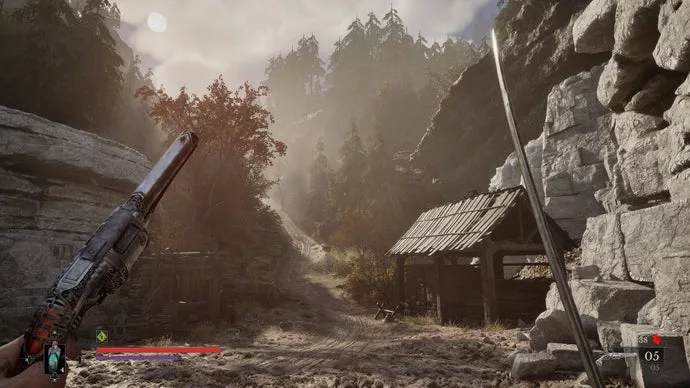
The world itself is a beautiful, if grim, tapestry. You traverse everything from idyllic lavender fields and tranquil lakes to claustrophobic mines and burning urban ruins. The level design utilizes the classic Soulslike 'shortcut' mechanic, rewarding exploration with new routes that connect disparate areas. There is also a subtle Metroidvania influence, as certain paths remain inaccessible until you acquire specific abilities or gems from challenging encounters.
The Verdict: Momentum vs. Repetition
The game is not without its flaws. As you reach the later stages, the sense of novelty begins to plateau. The enemy variety thins out, and you may find yourself navigating repetitive environments—beautifully rendered, certainly, but still fundamentally similar. The narrative also struggles to rise above the level of generic war tropes, despite some strong voice acting.
However, these are minor gripes in an otherwise exhilarating experience. The boss encounters are standout moments of spectacle—particularly a bizarre, guitar-chugging parkour sequence that defies expectation. Valor Mortis succeeds because it takes the foundational satisfaction of the Soulslike genre and injects it with the relentless momentum of a parkour-action game. It is a bloody, beautiful, and highly entertaining ride.
Зануда
