

Trump administration considers expanding chip tariffs to laptops and consoles
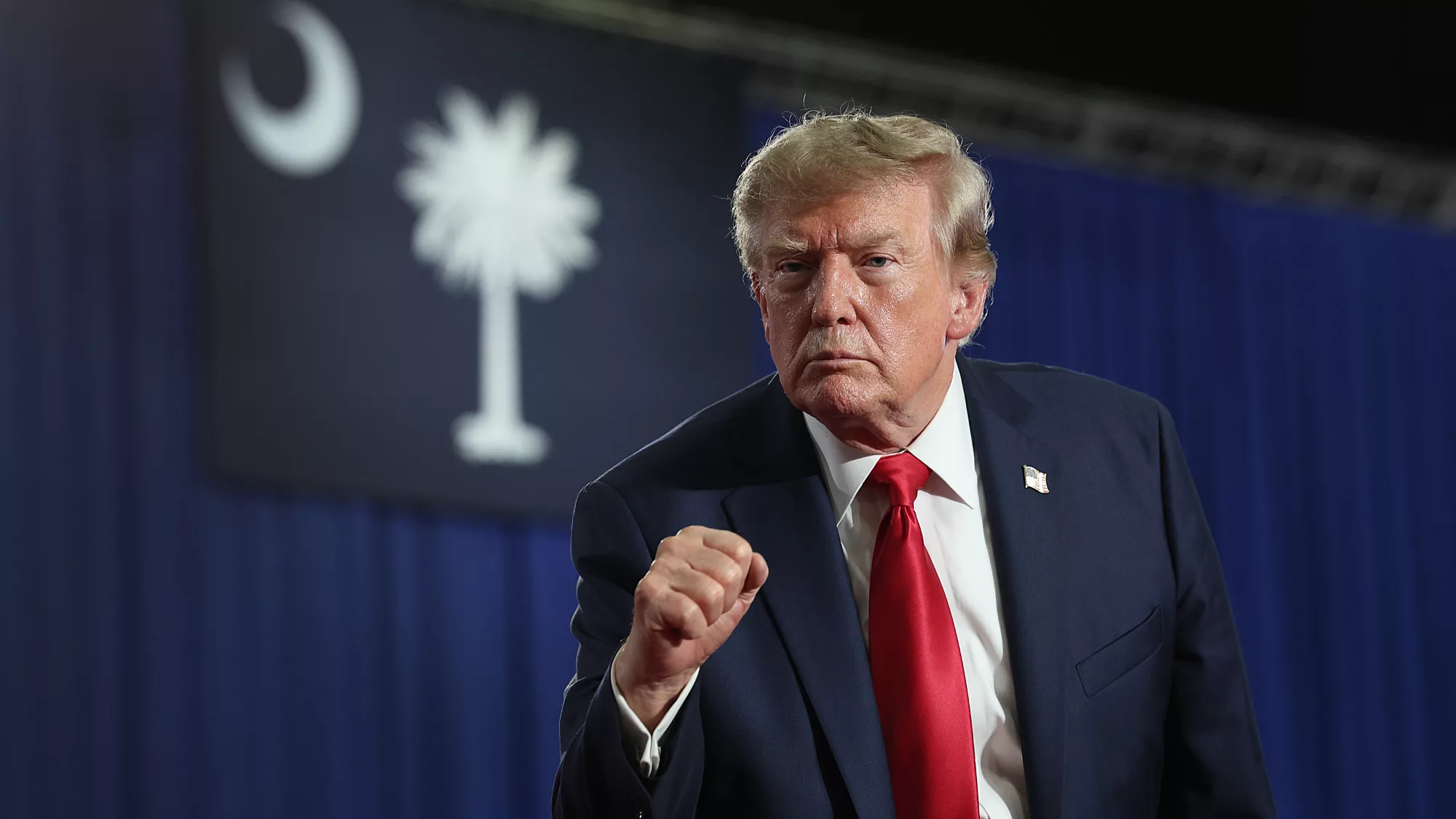
The Trump administration is reportedly considering a second round of semiconductor tariffs that would significantly expand the scope of duties beyond raw chips to finished products like laptops, gaming consoles, and data center servers. According to a report by POLITICO citing eight unnamed sources, Commerce Secretary Howard Lutnick favors a structure where duty-free chip imports are capped based on each company's pledged U.S. production volume. Crucially, the exemptions currently attached to the January 25% tariff—which cover data centers, R&D, startups, and consumer devices—may not carry over to this new phase.
From Phase 1 to a Broader Scope
The current landscape is defined by Proclamation 11002, signed on January 14, which imposed a 25% duty on a narrow set of advanced accelerators. The accompanying White House fact sheet explicitly named Nvidia's H200 and AMD's MI325X as targets, labeling the action as Phase 1. This initial move was specific to high-end AI chips but did not immediately impact the broader ecosystem of consumer electronics or standard server infrastructure.
The January Exemptions Under Threat
A separate report from April 14 by the USTR and Commerce covered tariff negotiations with Taiwan, South Korea, and Japan. The exemption categories now in question match those written into the January action. These include:
- U.S. data centers
- Research and development
- Startups
- Repairs
- Non-data-center consumer and industrial applications
- Public sector uses
Commerce officials have indicated in private talks that these exemptions may not carry over. If scrapped, the impact would ripple through the entire supply chain, affecting everything from enterprise AI infrastructure to the laptops and consoles used by consumers.
A Proposed Quota System
The proposed framework suggests a shift from blanket tariffs to a quota system pegged to domestic production commitments. Under this model, companies would receive duty-free import allowances proportional to their pledged U.S. manufacturing output. This approach aims to incentivize onshoring while still protecting domestic industries. However, the details are fluid; a phase-in period is under discussion, and the framework could change substantially in the coming weeks.
Market Implications and Uncertainty
The uncertainty surrounding these policy shifts creates a volatile environment for hardware manufacturers and consumers alike. While the administration's intent appears to be reshoring manufacturing and assembly, critics argue that without explicit incentives for doing so, companies may simply pass tariff costs onto customers rather than building domestic capacity. Building out manufacturing takes time, and unless the market is growing rapidly, passing costs is often a more immediate business choice.
Furthermore, the U.S. has been seen to flip-flop on chip sanctions while China simultaneously builds its own chip supply market. This geopolitical tug-of-war adds another layer of complexity to the semiconductor industry's future. The potential expansion of tariffs could lead to higher prices for laptops, consoles, and servers, potentially squeezing consumer budgets and altering the competitive landscape for major players like Intel, AMD, Nvidia, and Apple.
Ultimately, while the Trump administration weighs these options, the final decision remains subject to significant changes in the coming weeks. The tech industry watches closely as Commerce officials finalize the details of this second round of tariffs, which could redefine the rules of engagement for global semiconductor trade.
Гика
