
Total War: Warhammer 40,000: A Clash of Worlds in One Strategy Engine
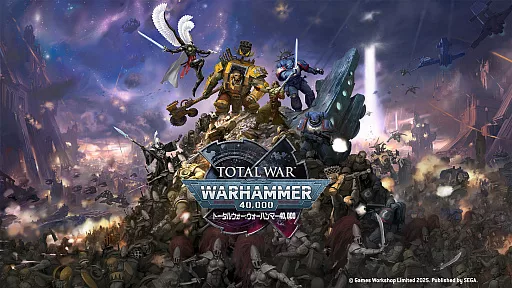
Scheduled for a 2027 release, Total War: Warhammer 40,000 is shaping up to be a landmark title for strategy enthusiasts. It is an ambitious attempt to fuse the grand strategy mechanics of the Total War series with the grimdark, high-concept universe of Warhammer 40,000. Having had the opportunity to play a preview build at Creative Assembly's headquarters, we can now shed light on how this massive IP is being translated into the tactical battlefield.
Scale: From Tactical Skirmishes to Stellar Systems
For those unfamiliar with the distinction, it is vital to clarify: Total War: Warhammer 40,000 is not a direct sequel to the fantasy-based Warhammer titles. While the previous games dealt with swords and sorcery, this installment moves into the far future of science fiction. However, the core DNA remains: a blend of turn-based grand strategy and real-time tactical combat.
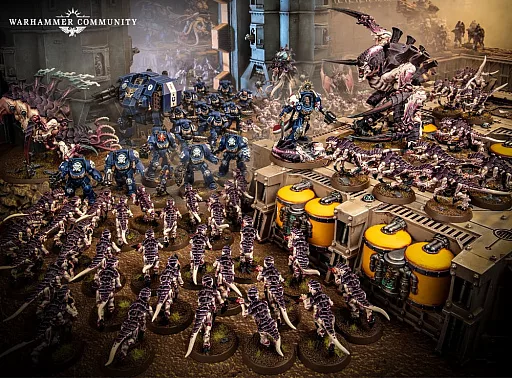
The gameplay introduces a new layer of strategic depth through a multi-tiered command structure. Players will not only manage battles on planetary surfaces but also operate within the context of entire star systems. This adds a layer of complexity where controlling a sector in space can directly influence the resources and operational capabilities of ground forces. In the campaign, two primary resources dictate your progress: Requisition, used for unit recruitment and building upgrades, and Influence, which is essential for diplomacy and issuing edicts.
Asymmetry as a Core Pillar
During the demonstration, we witnessed a clash between two fundamentally different playstyles: the Space Marines and the Orks. This encounter highlights the game's commitment to extreme faction asymmetry. This isn't just a matter of different unit stats; it is a difference in the very philosophy of warfare.
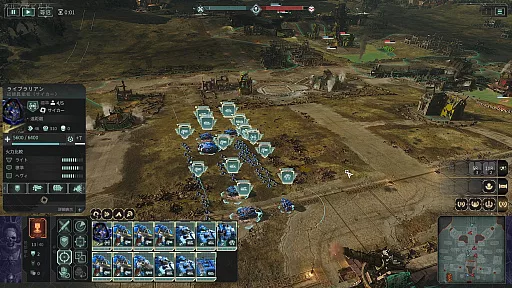
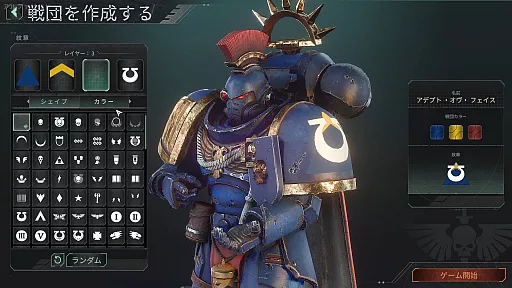
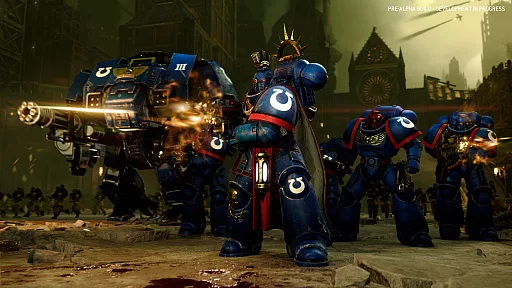
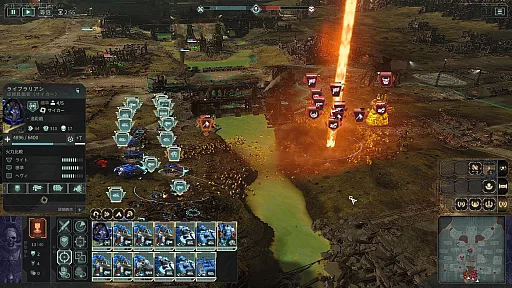
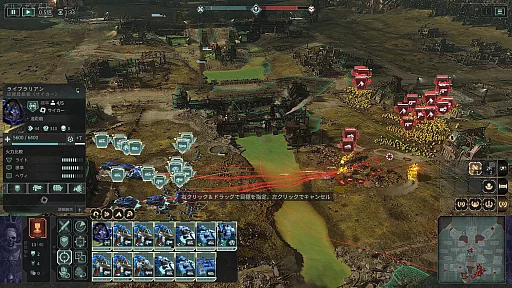
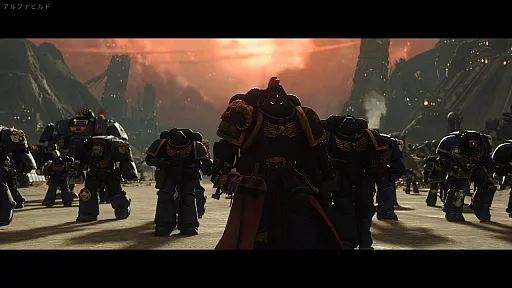
- Space Marines: The elite of the Imperium. They represent the "quality over quantity" approach. Units possess immense firepower and, crucially, are nearly immune to morale-based routing. They fight until the last man, making them ideal for precise, surgical strikes. However, their production cost is high, and replenishing losses takes significant time.
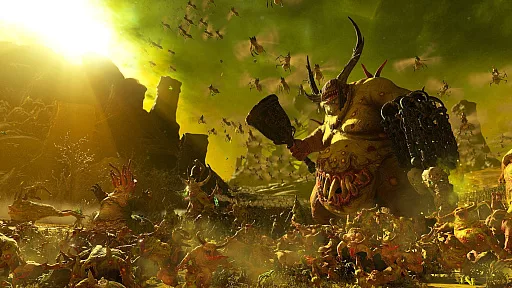
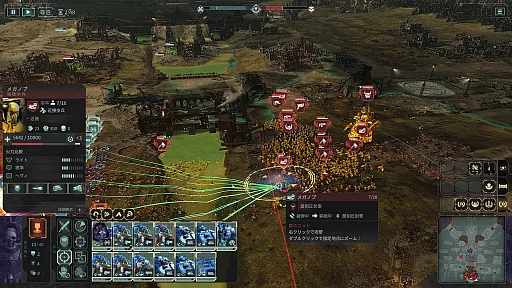
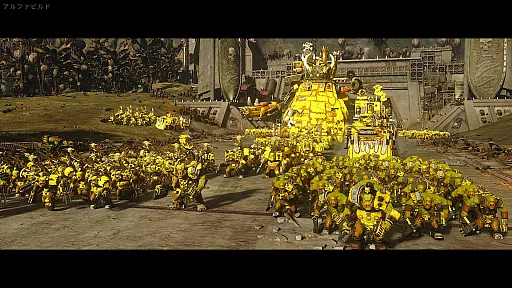
- Orks: The embodiment of chaos and endless waves. Unlike the disciplined Space Marines, Orks rely on sheer numbers. Their primary troops are weaker individually, but they can replenish and regroup rapidly, especially through the WAAAGH! ability, which can bring massive reinforcements onto the battlefield during combat.
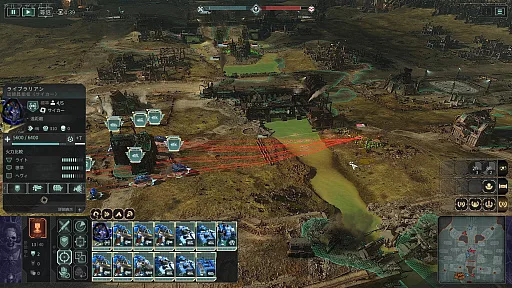
The combat system has also evolved to suit the setting. While traditional Total War games focused on cavalry charges and infantry lines, 40K prioritizes line-of-sight, cover, and the relationship between armor and firepower. Firearms, artillery, and orbital strikes (such as Lance Strike or Cluster Bomb) dictate a much faster-paced combat rhythm, where positioning under heavy fire becomes a matter of survival.
Verdict on the Prototype Stage
At this stage, Total War: Warhammer 40,000 appears to be a project that seeks to reimagine rather than simply replicate the fantasy Warhammer formula. The primary risk lies in how effectively developers can balance such radically different factions without turning the game into a race to see who can trigger reinforcements faster. Nevertheless, the concept of multi-layered warfare—from orbital engagements to planetary surface skirmishes—looks highly promising for the genre.
Зануда
