

The Blood of Dawnwalker: Ethical Feeding Guide
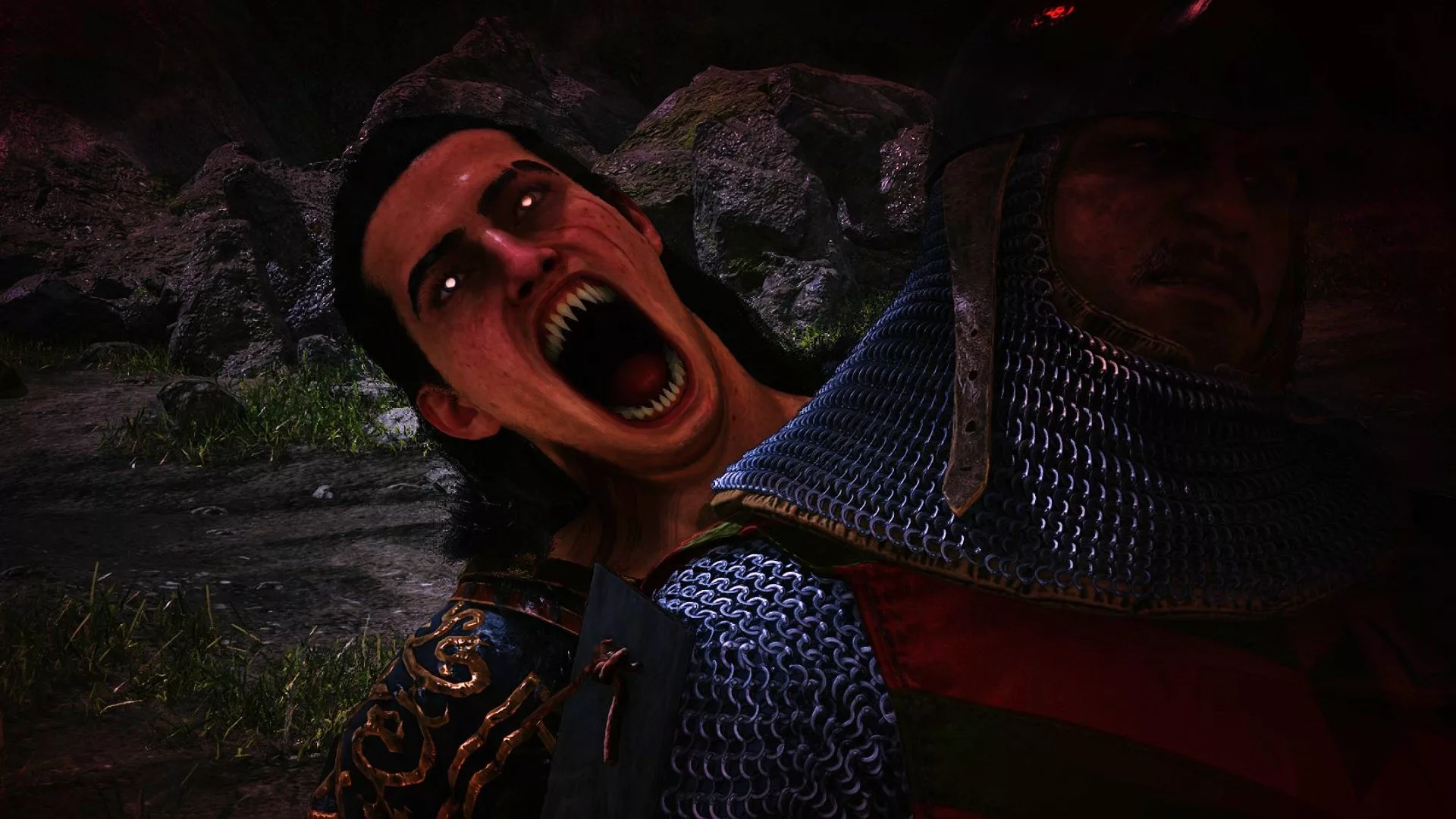
Mark Warren from Rock Paper Shotgun shares a personal approach to The Blood of Dawnwalker, explaining how he navigates the moral ambiguity of feeding the vampire protagonist Coen without resorting to harming humans.
Warren describes himself as an "ethical muncher" in the game, a self-imposed rule that has led him to force Coen to drain approximately nine million rats. The protagonist, a half-man, half-vampire from the village of Laslea, frequently expresses disgust at consuming rodents, often shuddering or stating that it is "not a nice thing to do." However, Warren notes that Coen requires blood to maintain his health and combat effectiveness, making this a necessary compromise for the player who wishes to avoid harming friendly NPCs.
The author, a long-time pescetarian in real life, applies similar ethical considerations to the game. He avoids draining blood from friendly characters, instead seeking out animals in the wilderness during breaks in combat. This approach allows him to maintain a sense of heroism while acknowledging the inherent violence of the vampire mechanic. Warren admits that from a strict food ethics perspective, this is akin to permitting murder as long as a nuclear weapon is not used, but he draws a line to keep Coen from becoming a villain in his own eyes.
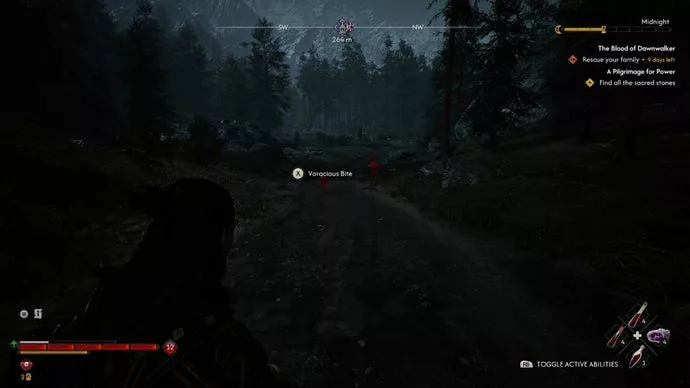
Warren argues that The Blood of Dawnwalker becomes a stronger RPG by not explicitly judging the player’s actions. Unlike games that use honor systems or morality meters to label the player as "evil" or "good," this title relies on the player’s internal conscience. The only feedback is Coen’s occasional outbursts of disgust and the panicked squeals of the animals he drains. This silence forces the player to question whether their chosen method of feeding is truly more ethical than mindlessly feeding on whatever is available.
The game’s narrative constantly reminds the player that Coen is adopting the same habits as the vrakhir creatures he is fighting. The vampire form is significantly more powerful than the human form, especially early in the game, and this power is seductive due to the 30-day ultimatum placed on Coen’s quest to save his family. There are few practical drawbacks to exploiting this power, which makes the temptation to feed on humans or enemies particularly strong.
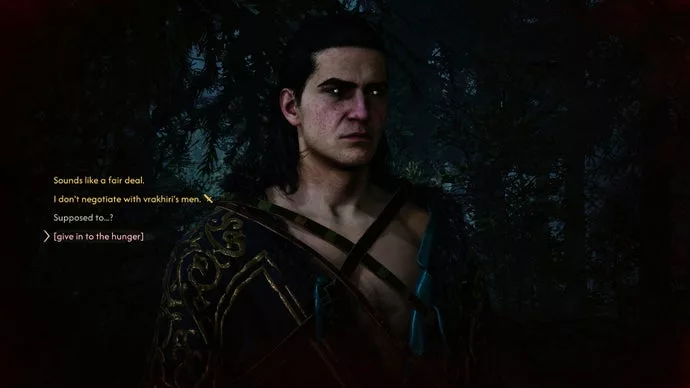
Warren suggests that players can establish their own moral boundaries, such as discarding vrakhir blood that grants new abilities or simply killing enemies rather than draining their power. He also recommends sticking to the wilderness while in beast form, using natural cover to hide from civilization. Despite these efforts, the player is constantly reminded of the unnatural nature of their actions. Every rat drained is a step closer to saving Coen’s loved ones, but the immediate aftermath is a limp corpse left to attract flies.
Warren concludes that while many RPGs serve their final triumph atop a mountain of dead bodies, The Blood of Dawnwalker does a more haunting job of making the player confront the consequences of their actions on a minute-to-minute basis. This constant confrontation with the moral weight of the vampire mechanic adds a layer of depth to the gameplay that goes beyond simple combat and progression.
Флешка
