

SteelSeries wireless keyboard battery swells after being left plugged in 24/7
A SteelSeries wireless keyboard suffered severe battery swelling after its owner kept it plugged in 24/7. The lack of a power-bypass circuit led to excessive charging cycles, causing the battery pack to inflate and lift the top plate.
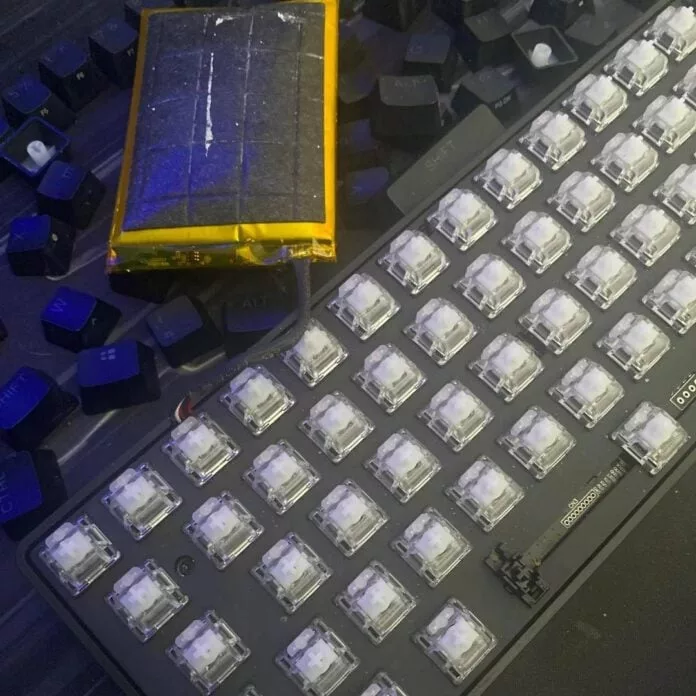
The owner of a SteelSeries wireless keyboard encountered a serious issue: the battery swelled significantly after being left plugged into a USB port continuously. The battery pack inflated enough to push up the keyboard's top plate, creating a wide gap. Fortunately, it did not puncture or catch fire.
The root cause: missing power-bypass circuit
While wireless peripherals are prized for their freedom from cables and compatibility with mobile devices, user Molti_gfx, who shared the incident on Reddit, prioritized reduced input latency over battery life. Consequently, the keyboard was kept plugged in 24/7.
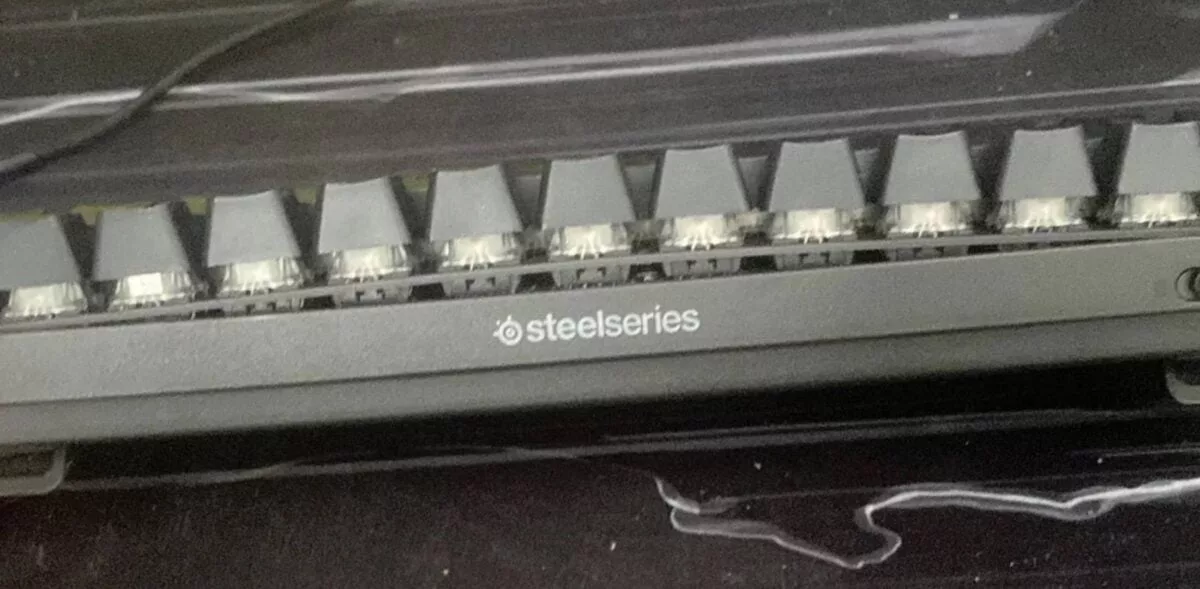
Typically, manufacturers implement protection systems or power-bypass circuits that stop charging when external USB power is detected. In this case, the absence of such a circuit meant the battery was constantly fed, leading to excessive charge/discharge cycles and eventual swelling.
Limitations and risks
The situation is compounded by the fact that the keyboard refuses to work when the battery is unplugged. This means the user could not simply remove the battery from day one to protect it; the device required constant power. Until a replacement pack arrives, the owner must either use a spare keyboard or continue using the damaged battery.
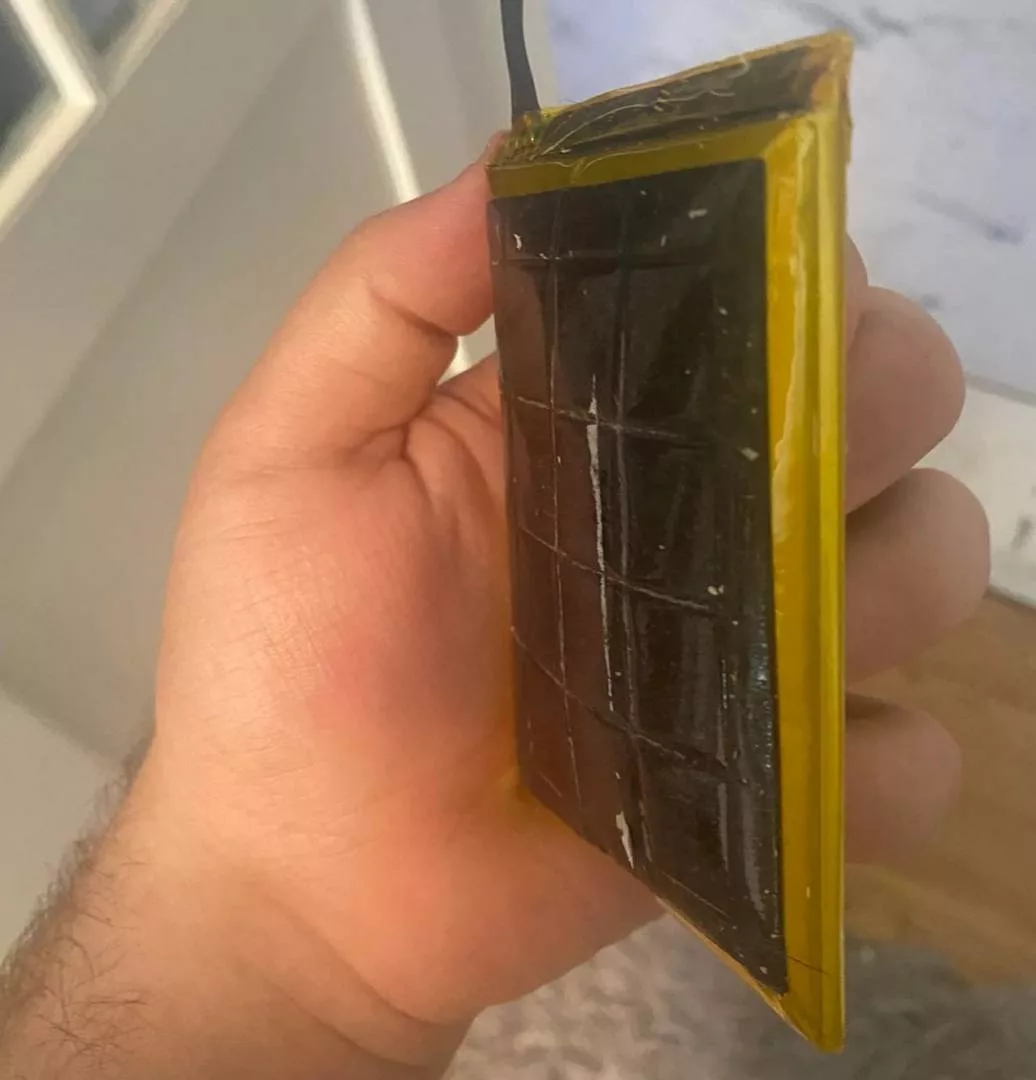
Continuing to use a swollen battery is dangerous: additional pressure could cause it to burst and potentially start a fire. This is not a budget peripheral or a knockoff; it is a device usually priced around €300 (in this case, snagged for €100 during a discount), which should have included proper power management.
What users should check
If you are running a wireless keyboard that is permanently plugged in, double-check whether a proper power-bypass system is implemented. The lack of such protection in a premium device is rare but warrants attention from both owners and the manufacturer.
Гика
