

State of the Unions: The Rise of Unionisation in Games Workplaces
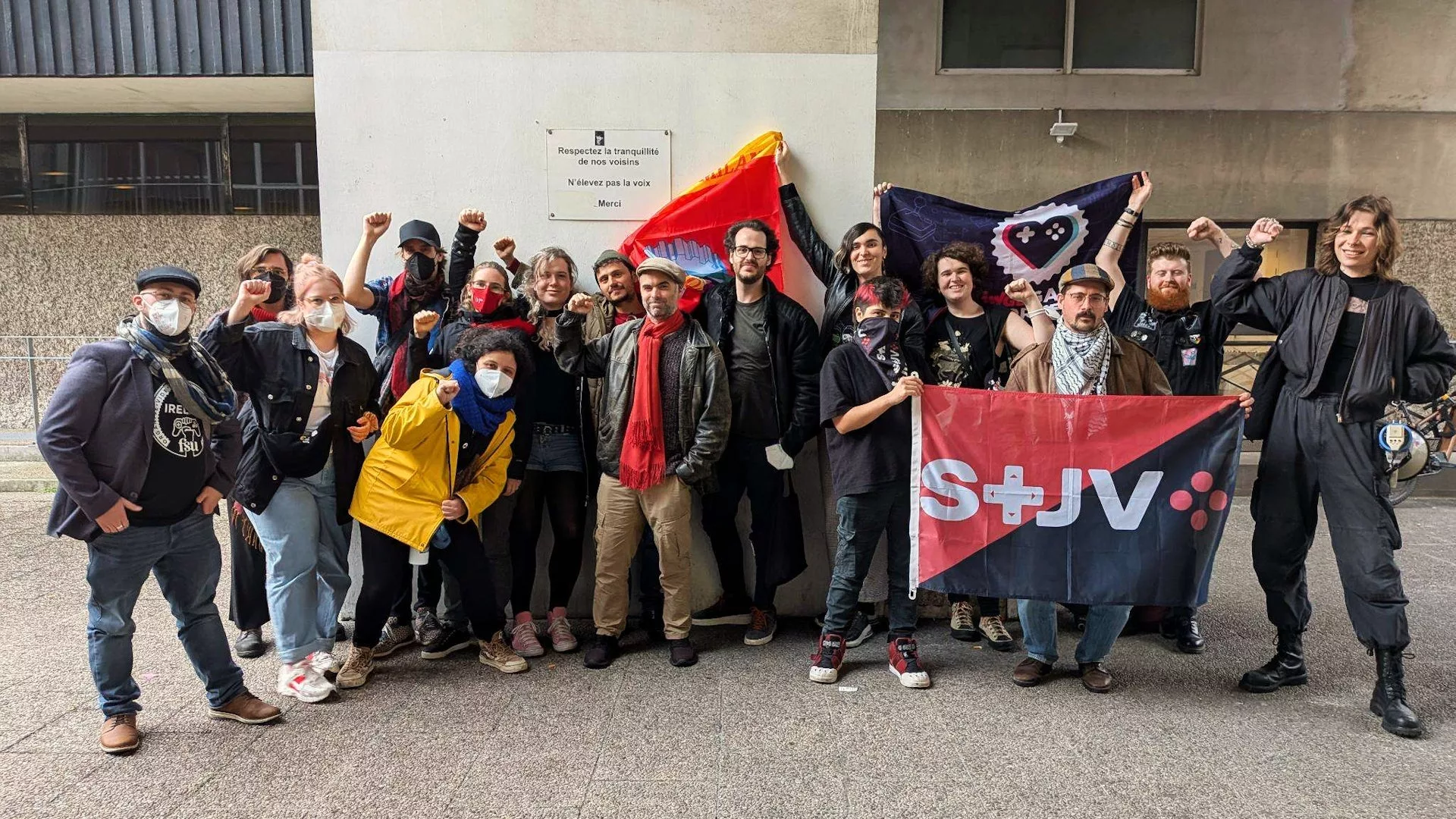
Union representatives from across the globe reflect on the rapid growth of organized labor in the video games industry, highlighting significant wins in pay, working conditions, and AI protections, while acknowledging the legal and cultural barriers that remain.
The rise of unions in the video games industry has become a defining trend over the past decade. As workers worldwide seek protection against harsh working conditions and management shortcomings, a large number of games-specific unions have formed in a relatively short time. These organizations have already demonstrated tangible value for their members, shifting the industry conversation from whether the games sector should unionize to which workers will organize next.
Austin Kelmore, co-founder of the IWGB Game Workers and Game Worker Solidarity, notes that when Game Workers Unite launched eight years ago, there were hardly any unions or game workers in unions. Since then, workers in more than 130 distinct groups and unions in over 15 countries have organized together to secure real improvements in their workplaces. Kelmore emphasizes that while there is still a long way to go to fully unionize the industry, the progress made in a relatively small amount of time is significant.
Union activity has been visible across major studios. SAG-AFTRA went on strike to secure improved pay and AI protections for video games voice actors. Workers at ZeniMax marched out over disagreements around remote work and outsourcing. Union-organized protests have also been held outside the premises of Rockstar Games, Activision, Ubisoft, Bethesda, Riot Games, and Build A Rocket Boy, among others.
In France, Marc Rutschlé, a union representative of Solidaires Informatique at Ubisoft Paris, reports that unions have largely progressed in the French studios. Five years ago, there were no unions inside the Comité Social et Economique, the workers councils. Now, unions are present in almost every Ubisoft company in France, and some structures have several unions. Rutschlé describes this as a sign that social dialogue at Ubisoft is becoming mature, which is pretty standard for a French company. However, he warns that the rest of the French video games industry is collapsing, with almost every major studio falling into bankruptcy or starting layoff plans.
In Poland, the Gamedev Workers Union was formed just two years ago as part of a nationwide grassroots trade union, The Workers Initiative. Union member Artur Ganszyniec reports that the organization is officially established within ten Polish studios, which accounts for half of its members, while the rest work for various smaller companies. One of the main challenges in Poland is the legal framework governing trade unions, as most laws were written in the 1980s with heavy industry in mind and do not represent the realities of creative or remote work. The law is also written in favor of employers, severely limiting the role of unions.
Despite these challenges, the Polish union has already represented employees during layoffs, offered legal aid, helped people navigate Polish labor law, negotiated workplace regulations, and provided an informal support network for members. Kelmore adds that workers in games unions around the world have managed to secure four-day work weeks, pay increases, hybrid and remote working arrangements, AI protections, contractual bonuses, and six-hour work days. Unions have also helped reduce the number of people laid off, stopped harassment, and won millions of dollars for mistreated workers.
Kelmore shares a personal example where his boss tried to discipline him, but he was able to successfully get it dismissed. He also worked with coworkers to secure better redundancy terms for those affected and those who stayed behind. Beyond material conditions, workers in unions have learned they have the power to collectively effect change in their workplaces and the world at large. Once people experience the process of creating change for themselves, they never forget it, which helps them push for change inside and outside the workplace.
Unions have also had a significant impact on the companies they negotiate with. Early on, a large portion of casework involved teaching company leaders what the law is and forcing them to follow it. This meant companies had to learn how to properly follow disciplinary, grievance, and redundancy procedures, accommodate disabilities and neurodiverse staff as legally mandated, and recognize that workers know more about the law and are willing to enforce it.
As unions become larger and workers build more power, they have been able to apply pressure to improve conditions. Microsoft has learned it must engage with the Communication Workers of America in the US, as evidenced by their agreement to a contract with 1,900 workers at Blizzard. This contract secured hybrid work, AI protections, recall rights if laid off, minimum severance above the industry standard, and up to 34% wage increases. Company executives are learning that the more power workers build, the more they will have to concede if they want the work done.
Rutschlé highlights AI protections as a particularly crucial topic, describing the technology as the biggest enemy of video games right now. He explains that the industry is relying heavily on investments, and in the last three to four years, the AI industry received these investments, which is the reason studios are closing. He states that the biggest impact of unions is to give a counterpoint to corporate communication, as unions are the people workers go to when something bad happens, unlike HR departments that often claim everything is fine.
Looking ahead, games unions still face many barriers. In Poland, the default form of employment covered by labor laws is being quietly replaced with various civil contracts. Approximately 40% of Polish game developers operate as one-person companies providing services to the studios they work in. By doing so, they earn a little more money but relinquish any employee protection and privileges, such as paid sick leave and notice periods. Ganszyniec notes that such solutions border on illegal, but proving it in court is not easy, so the union tries to educate both game developers and companies about the consequences of each solution.
Another problem in Poland is that trade unions are not really popular for historical reasons, and the union faces strong opposition from some companies, who waste significant sums in legal fees suing the union to stall cooperation. As a result, not many workers are interested in joining. Rutschlé adds that even with unions' initial successes, a lot of games workers are fearful of management retaliation. Kelmore says that unions still struggle against misconceptions around whether organizing workers is good or bad, when in fact it is neither. He believes in unions not because they are inherently good, but because he believes in the value of everyday working people. Unions are what workers make them, and they are always a work in progress.
With so many unions now established across the industry, representatives argue that such efforts can be even more effective in protecting workers. Ganszyniec notes that legal and economic systems in any industry, including gamedev, heavily favor the companies' side, and employees need to organize and create a counterbalance. To protect the know-how and understanding of how the industry works, the union needs to address working conditions and salaries, provide solutions around layoffs, create a platform for sharing knowledge, and build support networks to keep experienced developers in the industry and help them pass their know-how to juniors.
Kelmore agrees that unions sharing knowledge and experience with other workers across unions and borders helps them all win more and faster. He has taken training from multiple unions that are not his own and shared detailed documents with other unions that move them closer to their goals. Workers in the US, Canada, and France held protests outside Take-Two on behalf of workers in the UK, demonstrating that what they do with and for each other matters and builds them all up.
Rutschlé concludes that unions securing better and healthier working conditions, whether alone or in collaboration with other unions, can only benefit the industry as a whole. It will reduce turnover and attract people beyond the standard young, cis, white, male engineer demographic. In the end, it means having more experienced and more diversified workers, which leads to better games.
Флешка
