
Saber Interactive's Tim Willits on generative AI and global development
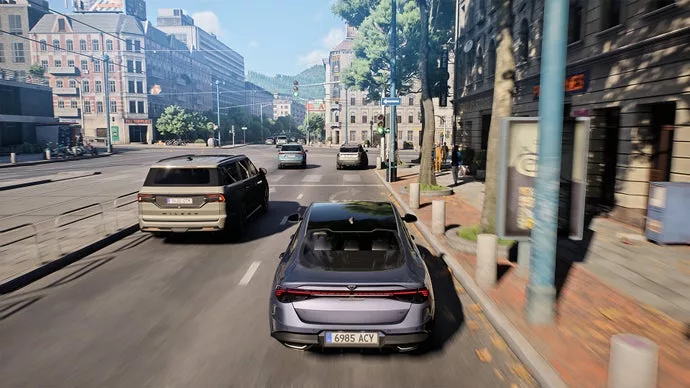
Saber Interactive chief creative officer Tim Willits clarified the studio's stance on generative AI, confirmed the complete shift of development operations out of North America, and outlined a strategy focused on recognizable IP and mid-budget titles. Speaking at Gamescom, Willits emphasized that the company has never replaced human staff with AI and continues to prioritize human-written content in its major productions.
Willits addressed the recent controversy surrounding CEO Matthew Karch's comments regarding AI usage, describing the remarks as sarcasm. He firmly stated that Saber Interactive has never replaced any employee with artificial intelligence. The studio does not use generative AI in the production pipelines for Space Marine, Hellraiser, or Stuntman. All narrative content, including side missions, is written by humans. However, the company is experimenting with AI in Rideshare Stimulator, specifically within its AI mode, to understand where the technology might be effective and useful in the industry.
Willits believes that a future breakthrough will demonstrate a clever use case for true modern AI integration, similar to how other technologies have historically found their place in everyday life. While the studio does not use generative AI for code, environments, or textures, Willits personally uses it as a tool to visualize ideas, noting that it helps him overcome his lack of drawing skills. He anticipates that larger games focusing on AI integration may appear at next year's Gamescom, and he views the current experiments as a valuable learning process.

The studio's operational structure has undergone significant changes since splitting from Embracer in 2024. Saber Interactive now employs 3,500 people across 15 studios in locations including Serbia, Armenia, Georgia, Spain, Portugal, Sweden, Argentina, and Australia. Willits noted that with the start of a new game in Australia, the sun no longer sets on Saber development. Notably, the company has no real development in North America anymore, retaining only its headquarters in Florida and a publishing team in the USA. Willits emphasized that talent is not limited to California, and the studio is willing to work in any territory where they can find skilled developers.
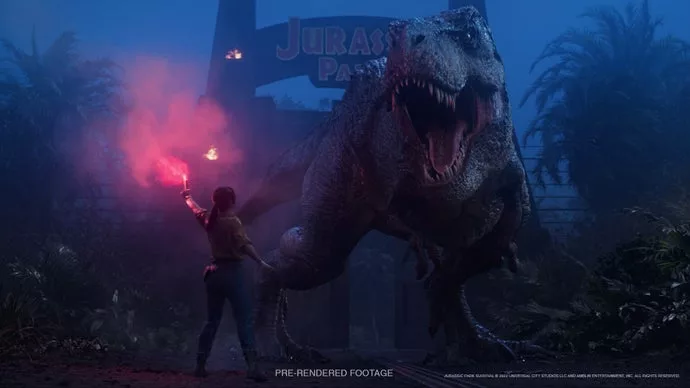
Willits described his role as ensuring teams have the necessary resources, maintaining focus on key priorities, and preventing scope creep. He criticized traditional publishing models that isolate teams on single projects, contrasting this with Saber's flexible approach. The company balances its portfolio with tentpole releases like Stuntman: Hollywood, John Wick, Turok: Origins, and Jurassic Park: Survival, alongside "bread and butter" remasters of franchises such as Hitman, Tomb Raider, Crysis, and Halo. Smaller bets like Docked and Bus Bound allow for predictable spending and revenue, while the company's culture enables staff to work on various titles and resources to be reallocated as needed.
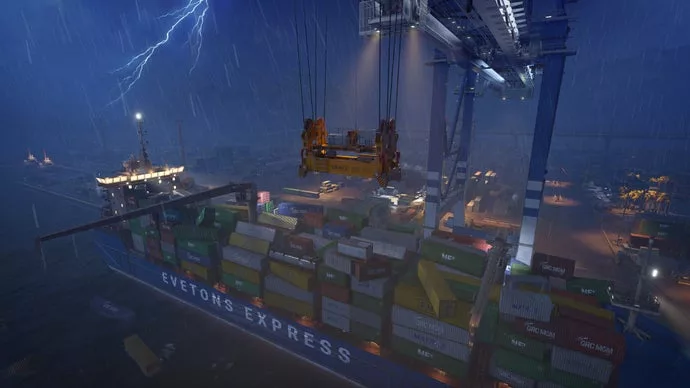
The studio is also exploring external development models, partnering with small groups of highly talented developers in the US. This approach allows a small creative team to focus on vision and concept, while Saber Interactive provides the manpower to execute the project, avoiding the high costs associated with large, static teams in expensive regions.
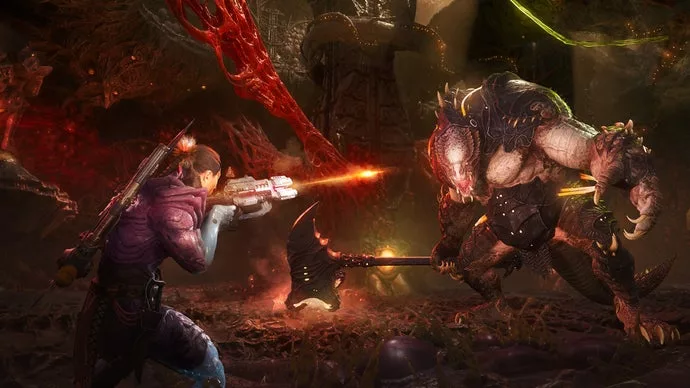
Willits identified Saber Interactive as a strong proponent of AA games, questioning the strict definition of the category. He cited World War Z, which has 32 million players, as an example of a title that may be considered AA by budget but performs like a major hit. He argued that betting on multiple mid-budget titles is more sustainable than relying on a single massive release. This strategy, similar to slate financing in the film industry, allows developers to spread resources and accept that some projects will be hits while others are losses, resulting in overall profitability.
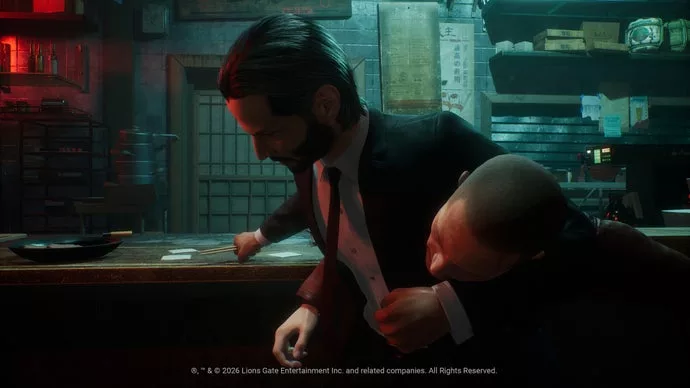
Discipline in budget management is crucial to this strategy. Willits pointed out that Warhammer 40,000: Space Marine 2 cost one-third of a major game recently released by a large North American studio, yet sold 11 million more copies. He highlighted that SnowRunner, which has generated hundreds of millions of dollars, cost only $6 million to make. In contrast, large North American studios can have monthly burn rates exceeding $2 million, leading to development costs of $120 million or more for a five-year project. Willits argued that the math does not favor such high-cost models, as each game sold may return only around $25 after deductions, requiring massive sales volumes to break even.
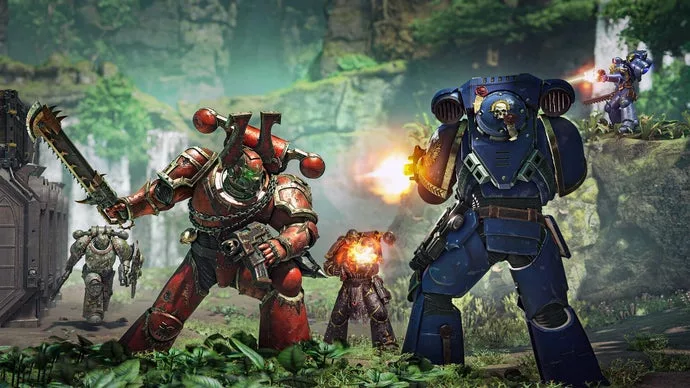
The studio's strategy heavily relies on embracing recognizable IP. Saber Interactive works with major holders like Universal, Paramount, Lionsgate, and Disney. Willits emphasized that the first step is loving the IP and understanding what fans want, using A/B and focus testing to guide development. He noted that not every opportunity works out, citing a project with a major IP holder that was abandoned because the rightholder insisted on a setting that fans did not want.
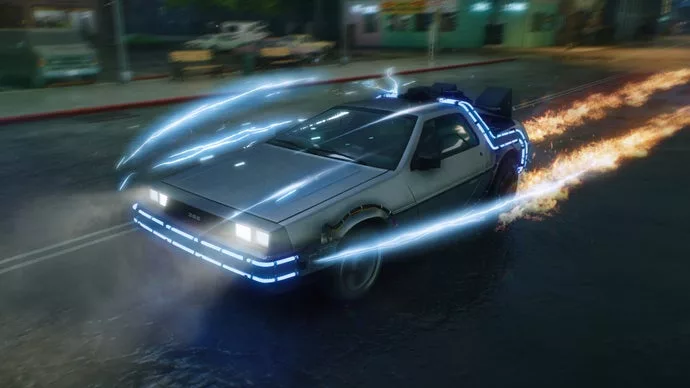
Stuntman: Hollywood, revealed at Summer Game Fest, features sequences from Back to the Future, Fast and Furious, and Jurassic World. Willits said the value of such IP lies in providing nostalgia for older players and an entry point for non-hardcore gamers. The upcoming John Wick game came about because Lionsgate was impressed by Saber Interactive's respect for their property during the development of Evil Dead: The Game. Willits noted that being a good partner opens doors, as many movie studios and IP holders are eager to create video games to reach new audiences.
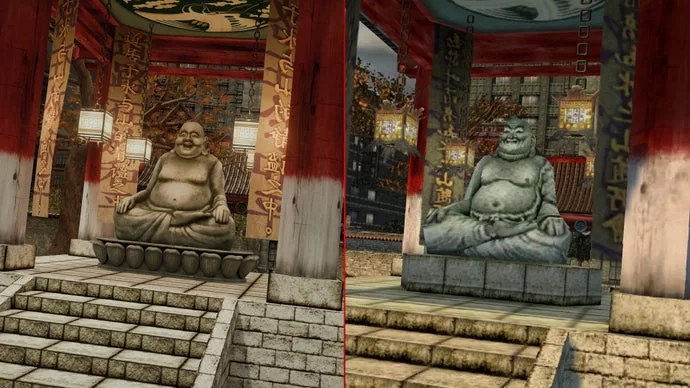
Beyond movie properties, Saber Interactive is working with IO Interactive on the Hitman Classic Trilogy Remastered. Willits praised IO Interactive as a partner, stating that the goal is to improve the games where possible without causing problems for the franchise. The studio also handled remasters of Tomb Raider, adding slight improvements based on what works for the game and what fans want. Willits highlighted the importance of working directly with IP owners who understand their franchises.
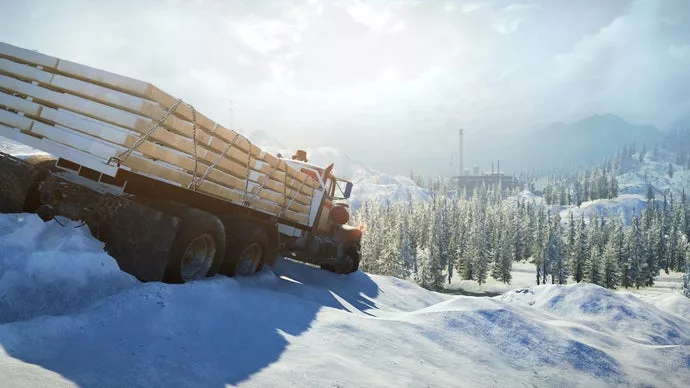
The company also nurtures its own IP, with driving game MudRunner originating from a single employee's idea. This reflects a culture that encourages employees to explore prototypes and work on "cool stuff." MudRunner evolved into SnowRunner, which led to Expeditions and RoadCraft. Willits stated that the studio can create successful titles with small teams, such as 12 people, if the idea is strong. He emphasized the need for industry discipline, focusing on what is important, and building a culture where people can work on multiple titles simultaneously without being siloed into single teams.
Флешка
