
Star Wars: Zero Company — Tactics with Heart and Flaws
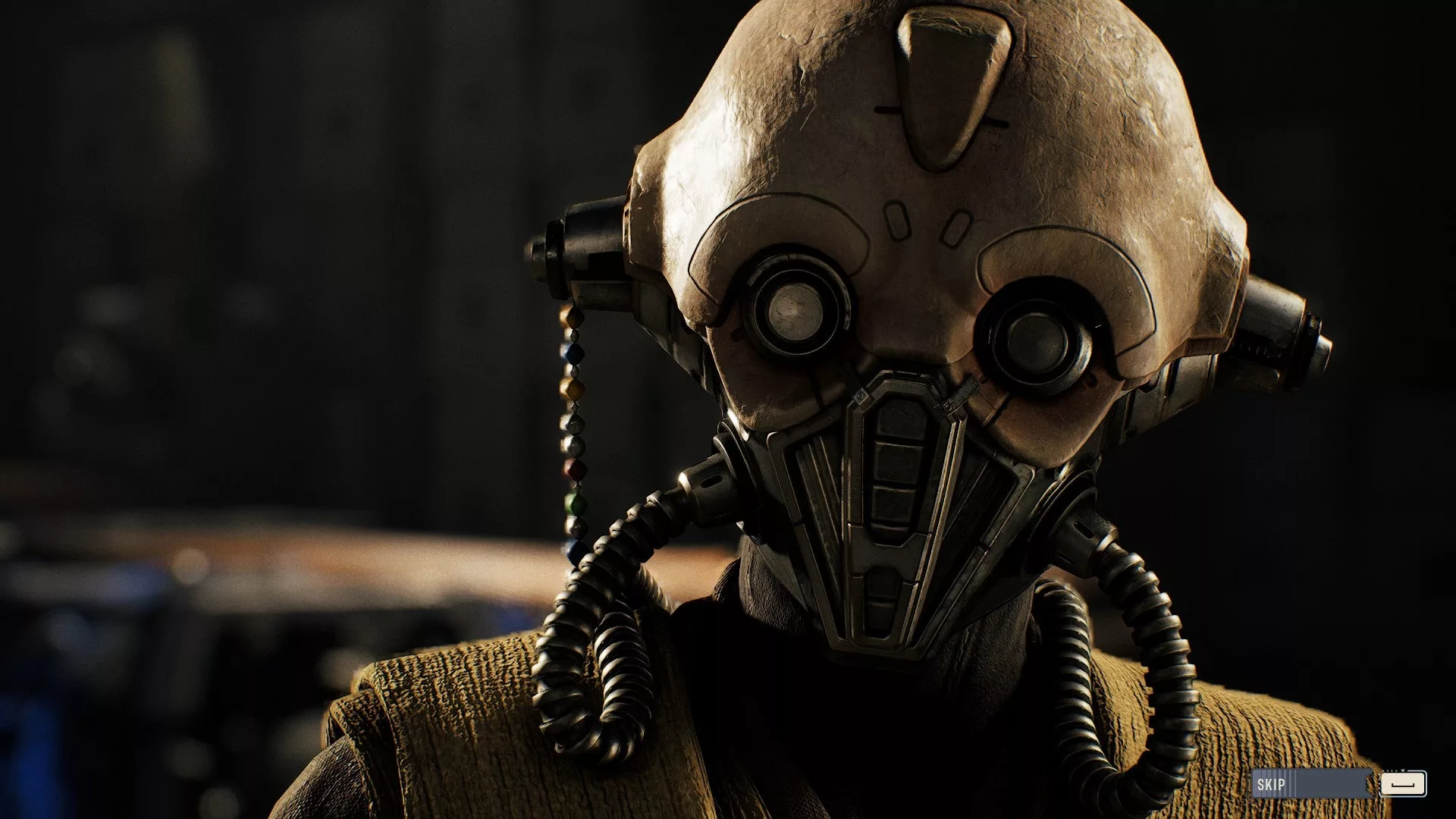
Star Wars: Zero Company is not a tidy game; in fact, my list of nitpicks is longer than this review. However, it is also a bit of a gem. There is so much love here. You can feel the development of this game as you play—it's as if the thinking behind the design is visible in every mechanic. Developed by Bit Reactor and Respawn and published by EA, the game manages to bridge the gap between the lighthearted fun of the Clone Wars era and the heavy introspection of series like Andor.
The setting in the late Clone Wars era allows the game to oscillate between two distinct tones. On one hand, it captures the breezy, action-figure adventure of the era's animated series; on the other, it attempts to touch upon more serious themes. While the writing can be clunky and characters like Jae can feel overly earnest, the game succeeds in its attempt to weave these threads together. Unlike the repetitive campaign structures often seen in the genre, Zero Company offers a proper narrative with a definitive beginning, middle, and end.
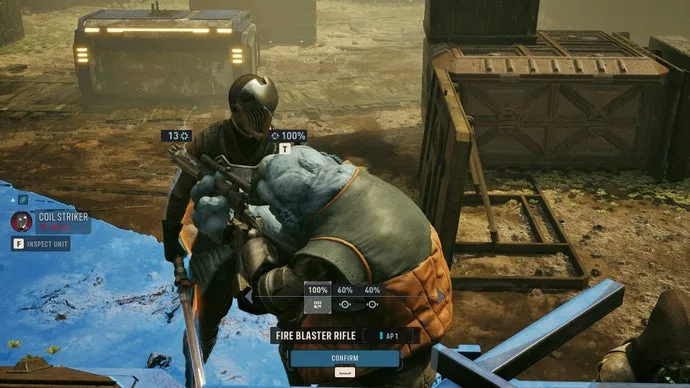
The gameplay offers a brilliant twist on the standard tactical formula. The most significant change is the move from a two-action limit to three. This isn't just about doing more; it's about the complexity of resource management. By making actions cost varying amounts of action points, the game introduces a new layer of tension. You must decide whether to use a character like Trick as a high-damage single-target nuke or a versatile skirmisher, depending on how you allocate his remaining points after moving or shooting.
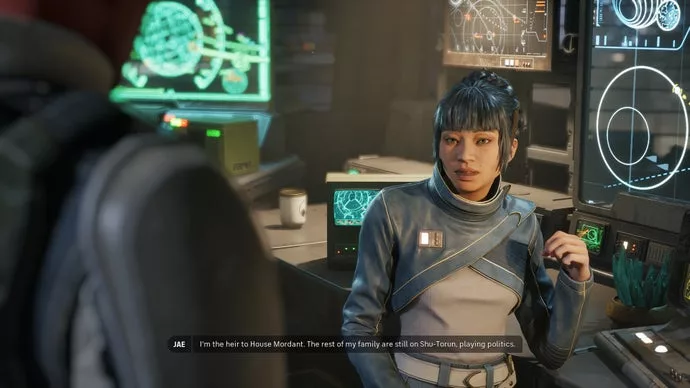
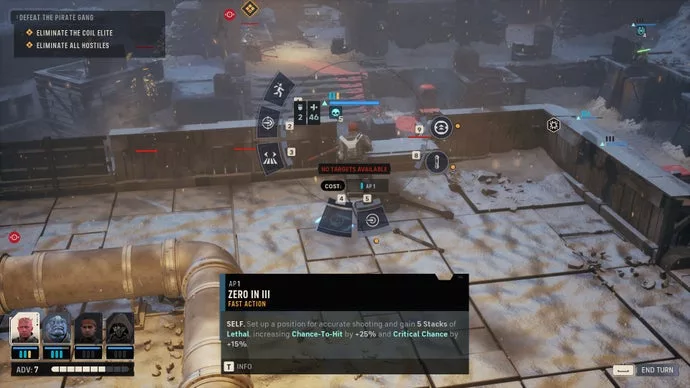
The depth is further enhanced by the Advantage resource system and character-specific abilities. Success often depends on planning how to build up Advantage to trigger powerful abilities. The game shines when you trigger synergies between characters—using the mobility of Cly Kullervo or the crowd control of Tel-Rea Vokoss to set up devastating chain reactions with Kabb Uppercut and Jae's execution moves.
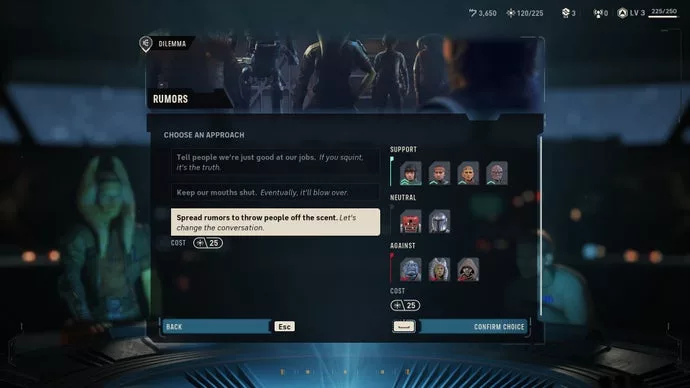
Base management is handled through a third-person exploration mode, reminiscent of Firaxis's approach in Marvel's Midnight Suns. While this adds a sense of place, the economy feels somewhat restrictive. Upgrades and Black Market items are often too expensive to be practical, leaving players to focus primarily on essential skill tree progression. Additionally, the 'Operations'—text-based mini-missions—feel somewhat underdeveloped, serving mostly as a way to increase character bonds that offer relatively minor benefits.
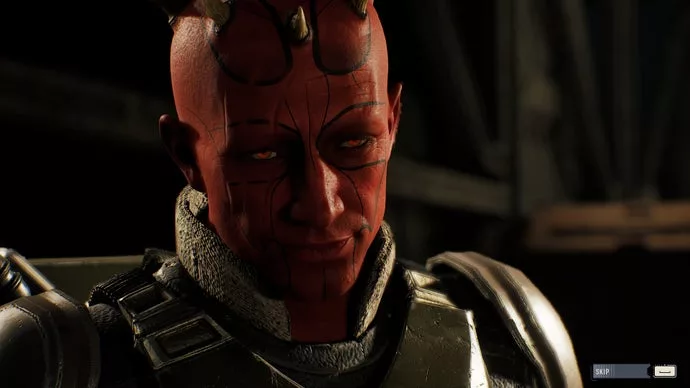
Ultimately, Star Wars: Zero Company is a game that wears its development on its sleeve. It isn't perfect, but its tactical sophistication and heartfelt sincerity make it a standout. It is a game of decisions, where the core joy lies in optimizing limited resources to achieve victory in the most satisfying way possible.
Флешка
