
PUBG Mobile: South Korea Keeps Medal Hopes Alive
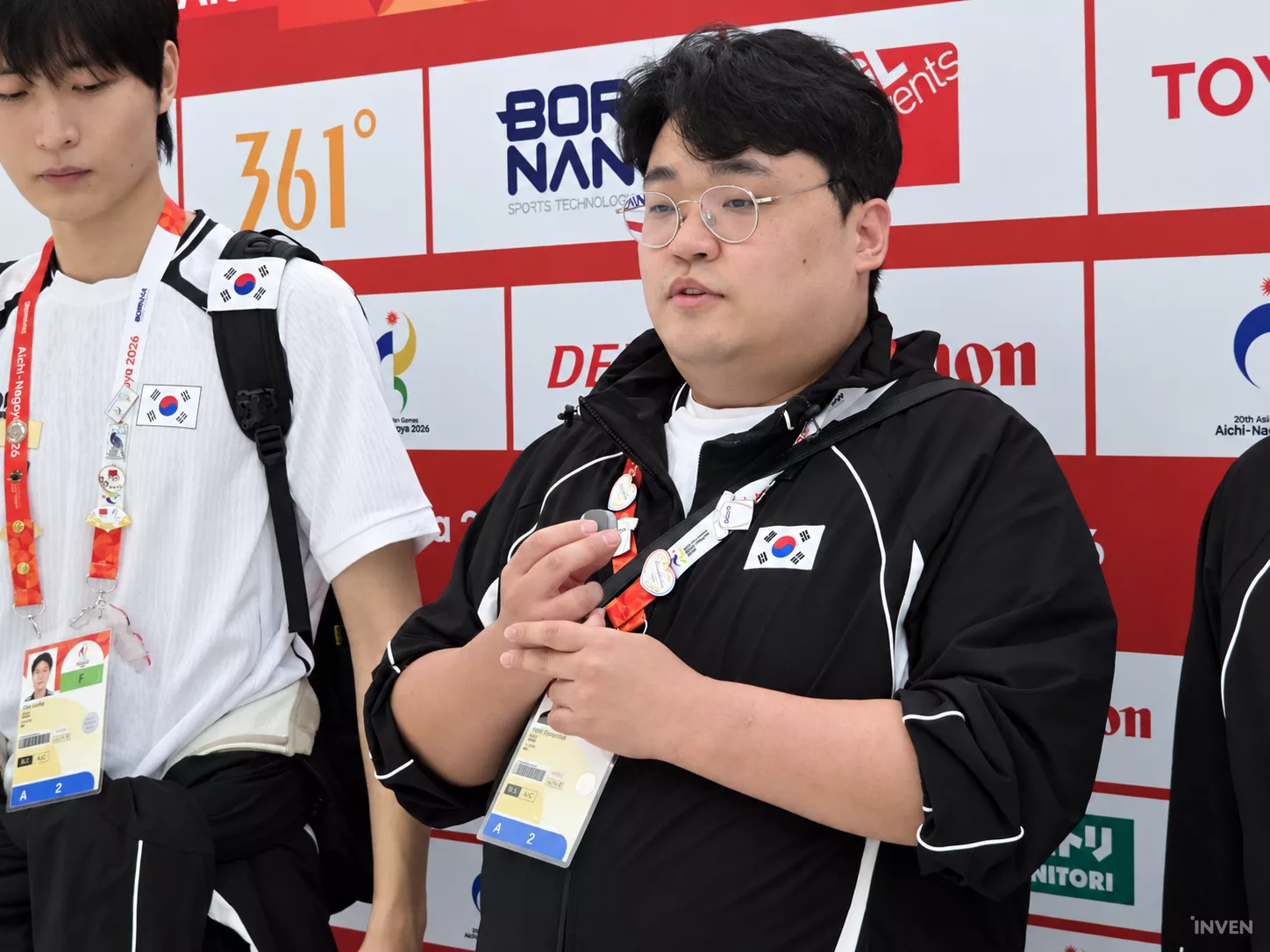
The South Korean national team for PUBG Mobile finished Day 1 of the finals at the 2026 Asian Games in a bittersweet position. Competing at the Aichi Sky Expo in Tokoname, Japan, the squad secured 6th place overall, facing criticism for their tactical execution rather than their raw combat skill.
Day 1 Recap: Tactical Passivity vs. Combat Skill
After six matches on September 28, South Korea accumulated 38 total points—comprising 15 placement points and 23 kill points. While they sat in 8th place through Match 5, a strong 2nd-place finish in the final Match 6 earned them 13 points, allowing them to leapfrog Japan and Uzbekistan. However, they remain 17 points behind 3rd-place Indonesia.
Park "FAVIAN" Sang-cheol reflected on the performance, noting that the team's primary struggle was decision-making and overly passive gameplay. He emphasized that the opponents did not demonstrate superior combat ability, suggesting that the gap is not insurmountable. Interestingly, the team's movement patterns largely aligned with the pre-match analysis provided by the coaching staff.
Adapting to the Patch
The tournament version of PUBG Mobile presented unique challenges. The patch used for the Asian Games was earlier than the one typically used in professional play, leading to different weapon mechanics. Park "FAVIAN" Sang-cheol noted that AR-class weapons, specifically the Beryl, had higher recoil during full-auto fire, and the firing rhythm of shotguns required a period of readjustment.
The Path to the Podium: Aggressive Pivot
For Day 2, the South Korean squad intends to shift away from their defensive stance. The new strategy focuses on initiating firefights on the perimeter and aggressively pushing into the safe zone to secure more placement and kill points.
Head Coach Yoon Sang-hoon admitted that the team's combat performance fell short of expectations but remained optimistic about their potential. "No one on the national team has given up yet," Yoon stated, vowing to fight for a medal until the very end of the tournament.
The team also expects the atmosphere of playing in a main arena before a live crowd to provide a psychological boost, noting that the players are well-accustomed to performing under the energy of a cheering audience.
Дурик
