

South Korea DRAM Exports Surge 12.5-Fold in 3 Years and 7 Months
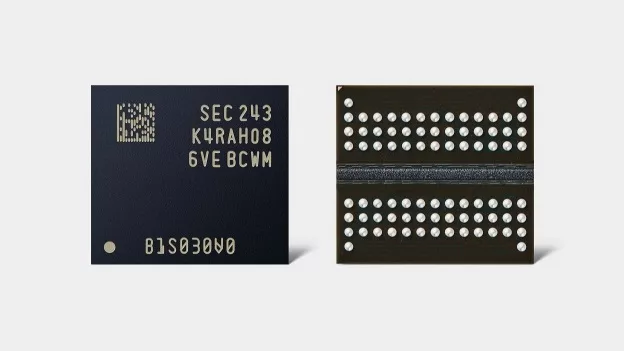
Samsung Electronics and LG Innotek have reported a dramatic surge in DRAM export values for South Korea, reaching a level 12.5 times higher than the same period three years and seven months ago. This growth has outpaced even the recent rise in gold prices, marking a significant shift in the global semiconductor market landscape.
The surge is driven by an aggressive expansion of AI server production lines. Both Samsung Electronics and LG Innotek are accelerating the installation of new DRAM substrates specifically designed for high-performance computing. According to recent reports, these facilities have already reached a utilization rate of nearly 90% in the first half of the year, indicating strong demand from major technology manufacturers.
This production boom is directly linked to the booming artificial intelligence sector. The massive increase in DRAM exports reflects the critical need for high-bandwidth memory in AI data centers and large-scale computing clusters. As AI models grow in complexity, the demand for efficient and fast memory solutions continues to rise, pushing manufacturers to scale up their operations rapidly.
Market analysts note that this growth is not merely a temporary fluctuation but a structural change in the industry. The ability of South Korean DRAM producers to meet these demands has been bolstered by strategic investments in manufacturing capacity and technological advancements in chip architecture. This positions Samsung Electronics and LG Innotek as key players in the global supply chain for AI infrastructure.
The financial impact of this trend is evident when comparing DRAM export values to other high-value commodities. The current growth rate in DRAM exports has surpassed the appreciation rates seen in gold markets over similar periods, highlighting the exceptional performance of the semiconductor sector. This outperformance underscores the critical role that memory chips play in modern digital infrastructure.
Looking ahead, the industry faces both opportunities and challenges. While demand remains robust, manufacturers must continue to innovate to maintain their competitive edge. The focus is now on optimizing production efficiency and ensuring a stable supply chain to meet the escalating needs of AI developers and cloud service providers worldwide.
Гика
