
Silent Hill: Townfall: Scotland, CRTV, and First-Person Horror
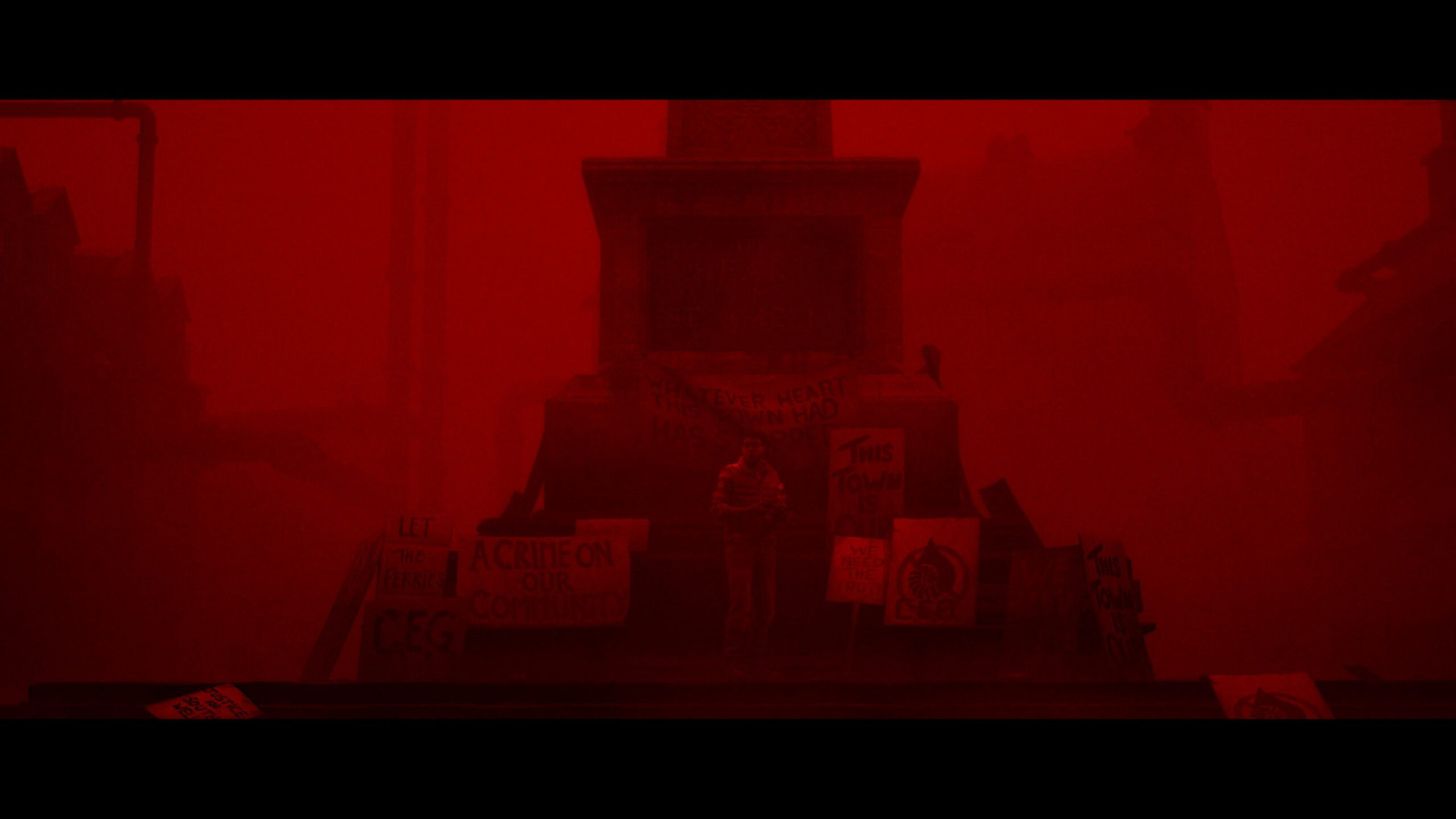
Silent Hill: Townfall moves psychological horror to the fictional Scottish town of St. Amelia in 1996. Screen Burn Interactive is building the game around Simon Ordell, a first-person view, and a portable CRTV device. It launches September 24, 2026, for PlayStation 5 and PC.
Why Scotland Is More Than a Backdrop
Writer and director Jon McKellan describes the choice as personal knowledge rather than visual novelty. The team grew up in Scotland and can reproduce its landscape, weather, and ordinary details without relying on a tourist shorthand. Fog belongs to the environment before it becomes a horror effect. That matters to Silent Hill: a place must feel credible before the game can make it untrustworthy.
The 1996 setting sits at the boundary between the analog era and mass internet access. Slightly outdated technology can therefore feel familiar and unreliable at once. Players understand what tapes, screens, and radio signals are supposed to do, yet cannot treat them as neutral tools. Everyday physical logic remains intact just long enough for horror to distort it.
Turning the Radio Into the CRTV
The central device is the CRTV, a portable screen that receives video and audio signals. It began as a conventional radio, but the developers wanted a warning system that players actively operate. The CRTV supports storytelling, stealth, and puzzles; some DualSense interactions involve tilting it as though searching for a phone signal.
McKellan says the CRTV made first person indispensable. The camera does more than bring monsters closer: it places the protagonist’s hands, the device screen, and a restricted field of view inside one system. Sound becomes a second perception layer. A threat may remain outside the frame while footsteps and small noises communicate its position first.
Encounters Without One Correct Answer
The developers do not describe stealth as mandatory. Encounters allow multiple responses, asking the player to judge whether to avoid a threat, use the environment, or fight. Adaptive triggers communicate firearm weight, while haptics can carry the footsteps of certain approaching creatures. Gyro controls support aiming and physical map handling.
This expands the formula carefully. Townfall remains horror, so more options do not imply mastery over every opponent. The device, audio, and tactile feedback instead increase the amount of information for which the player is responsible. Tension grows when several channels warn about danger and their signals refuse to align.
Actions Accumulate Into Endings
All three main endings can be reached on a first playthrough. The result comes from accumulated behavior rather than one binary choice near the finale. A secret fourth ending becomes available after completing the game. The structure deliberately resembles the original Silent Hill and Silent Hill 2 without forcing several runs merely to unlock the primary conclusions.
The prominent red-and-black palette also has a direct connection to Simon, although the developers are withholding its meaning. That is a useful boundary for a pre-release feature: location, year, tools, and consequence structure are confirmed, while a specific interpretation of the story should wait for the game. Sources: Screen Burn Interactive; Konami; PlayStation Blog.
Редакция MBG
