
SigenMate 2700 Ultra: A versatile balcony solar storage with AI assistance
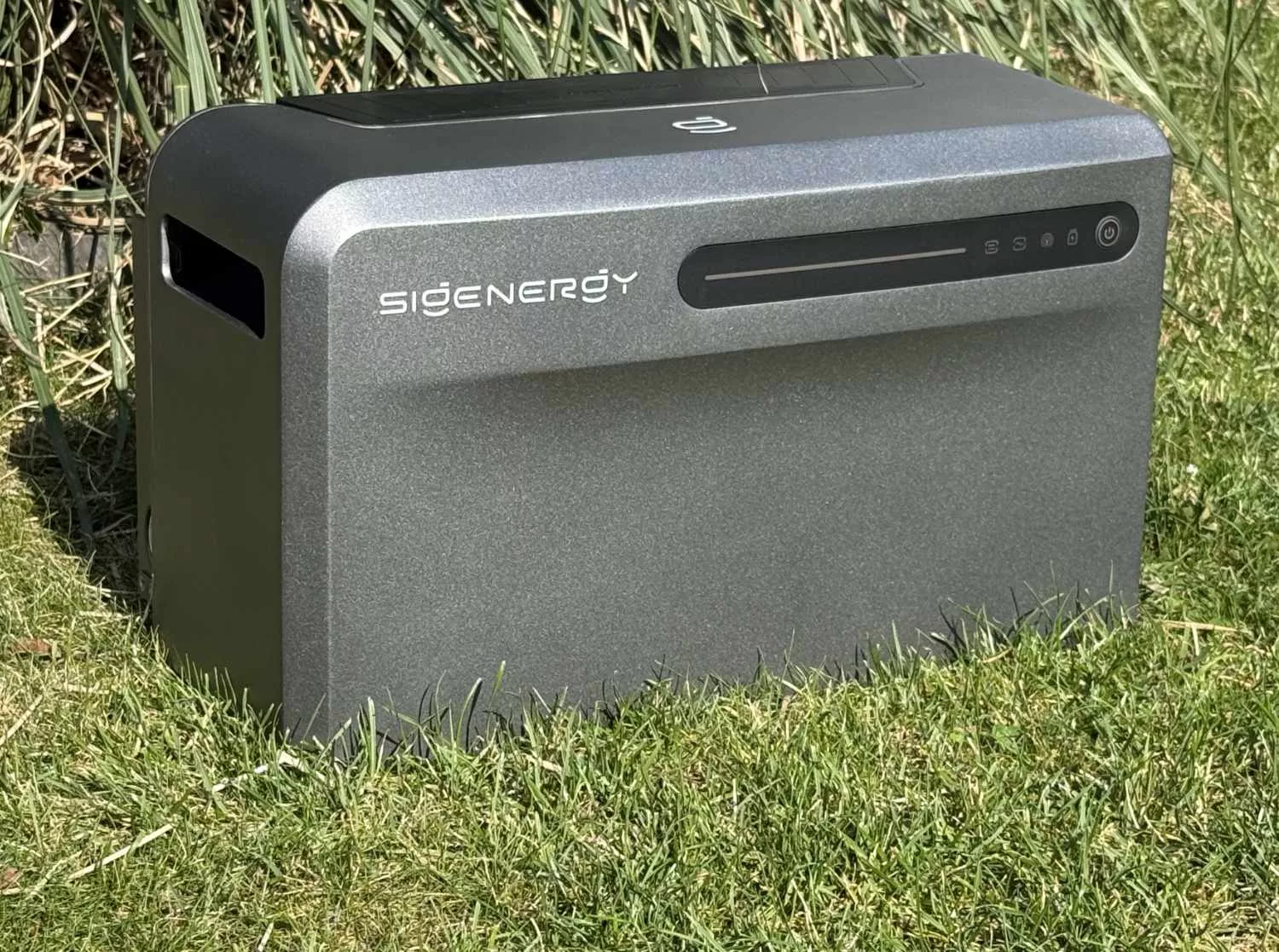
As the popularity of small-scale photovoltaic (PV) systems grows, manufacturers are increasingly releasing all-in-one solutions that combine an inverter, MPPT controllers, and battery storage. Sigenergy, a company typically known for large-scale solar installations, has entered the consumer market with the SigenMate 2700 Ultra. This compact energy storage system aims to serve both balcony solar enthusiasts and homeowners looking for a scalable backup solution.
Design and Scalability
The SigenMate 2700 Ultra is built around a LiFePO₄ battery with a capacity of approximately 2.7 kWh (2,688 Wh). The system is designed with future-proofing in mind: by adding up to six BAT2700 expansion batteries, the total capacity can be scaled up to 18.8 kWh. This makes the unit capable of supporting not just small balcony setups, but significant home energy storage needs.
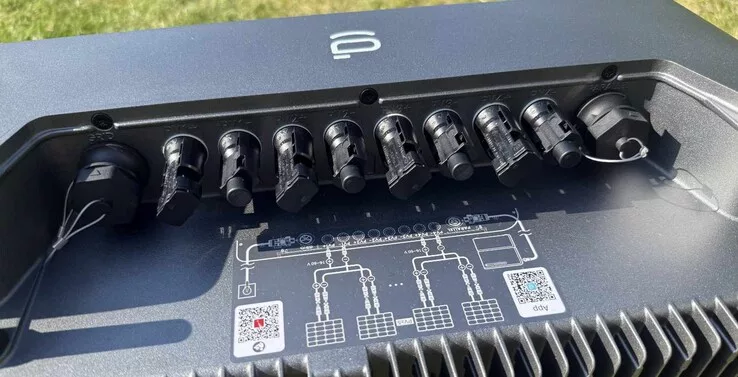
Technically, the device shares similarities with the Anker Solix Solarbank 3 Pro, but with notable advantages in input capacity. It features a 4,000 W PV input power and four MPPT controllers. This setup allows for the connection of up to eight solar panels and provides excellent performance even when panels are shaded or oriented in different directions. However, users should note that the AC feed-in is capped at 800 W, adhering to the standard regulations for plug-in solar systems in Germany.
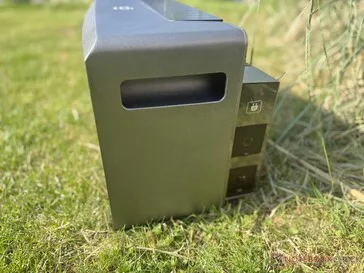
The unit is housed in a robust metal enclosure with an IP66 rating, making it suitable for outdoor installation. It is rated for temperatures between -20 °C and +55 °C, though it can generate significant heat under heavy loads. While it includes recessed handles for easier transport, wall-mounting hardware is not included in the box.
App Control and AI Integration
System management is handled via the mySigen app (available for iOS and Android). The interface is visually appealing and provides comprehensive real-time statistics on production, consumption, and battery levels. A standout feature is the integrated Sigen AI Assistant, which can respond to text and voice commands, helping users navigate settings and troubleshoot without digging through complex menus.
The app offers several operating modes, including self-consumption, manual time-based control, and the advanced Sigen AI Mode. The latter is designed to optimize energy usage by analyzing weather forecasts, consumption patterns, and electricity tariffs to maximize savings.
Performance and Practical Limitations
In practical testing, the system proved responsive but encountered some hurdles. When paired with a smart meter (such as the Shelly Smart Meter Pro 3EM), the device successfully synchronized its feed-in with household consumption to minimize grid export. However, testing revealed issues with re-establishing a connection to the smart meter via the app after it had been manually deleted.
Efficiency-wise, the system delivers respectable results. During a 400 W discharge test, it achieved a 93% efficiency, delivering 2,500 Wh from its 2,688 Wh capacity. AC charging from the grid was less efficient, at approximately 86%, meaning about 3.1 kWh of energy was required to charge the battery to 100% from zero. This is solid, though not industry-leading.
One notable drawback was the limited support for dynamic electricity tariffs. Despite the AI mode's promises, the test could not establish an automatic connection with services like Tibber, requiring users to input price tiers manually. Additionally, the system's sensitivity to low light was lower than some competitors; while other systems began reporting PV input during dawn, the SigenMate 2700 Ultra app continued to show zero production.
On the positive side, the inclusion of two backup power sockets (1,400 W continuous, 1,800 W peak) is a practical advantage. These operate independently of the grid, providing essential power for multiple devices during an outage, making it a reliable emergency power source.
Гика
