
Sapphire celebrates 25 years of PC hardware innovation
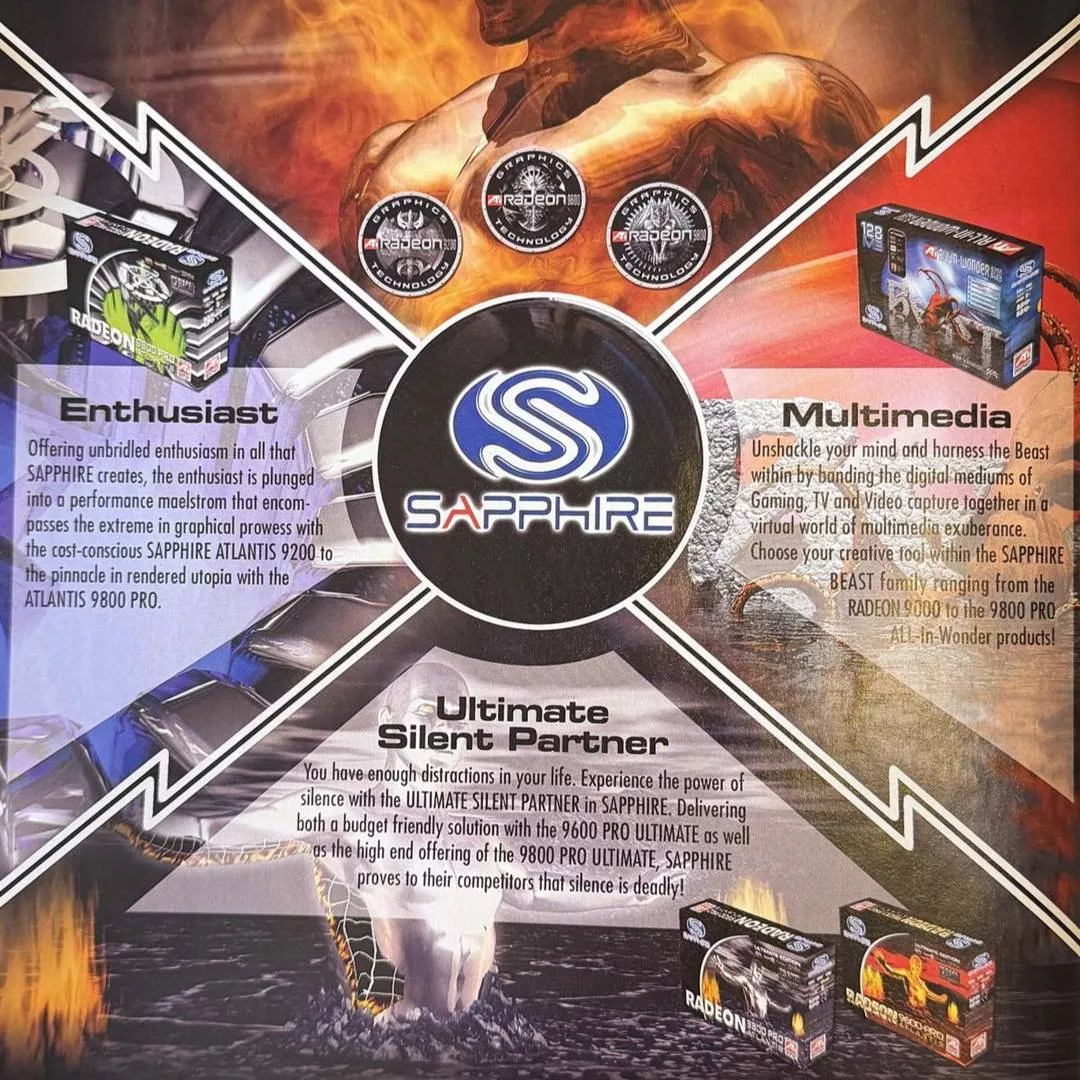
Sapphire Technology is celebrating its 25th anniversary this week, marking a quarter-century of product design and evolution. From its early days producing reference cards for ATi to its current status as a provider of premium motherboards and professional systems, the company has continuously expanded its hardware footprint. Today, Sapphire is moving far beyond the desktop, venturing into embedded, industrial, and AI-accelerated sectors.
A Legacy of Cooling and Performance
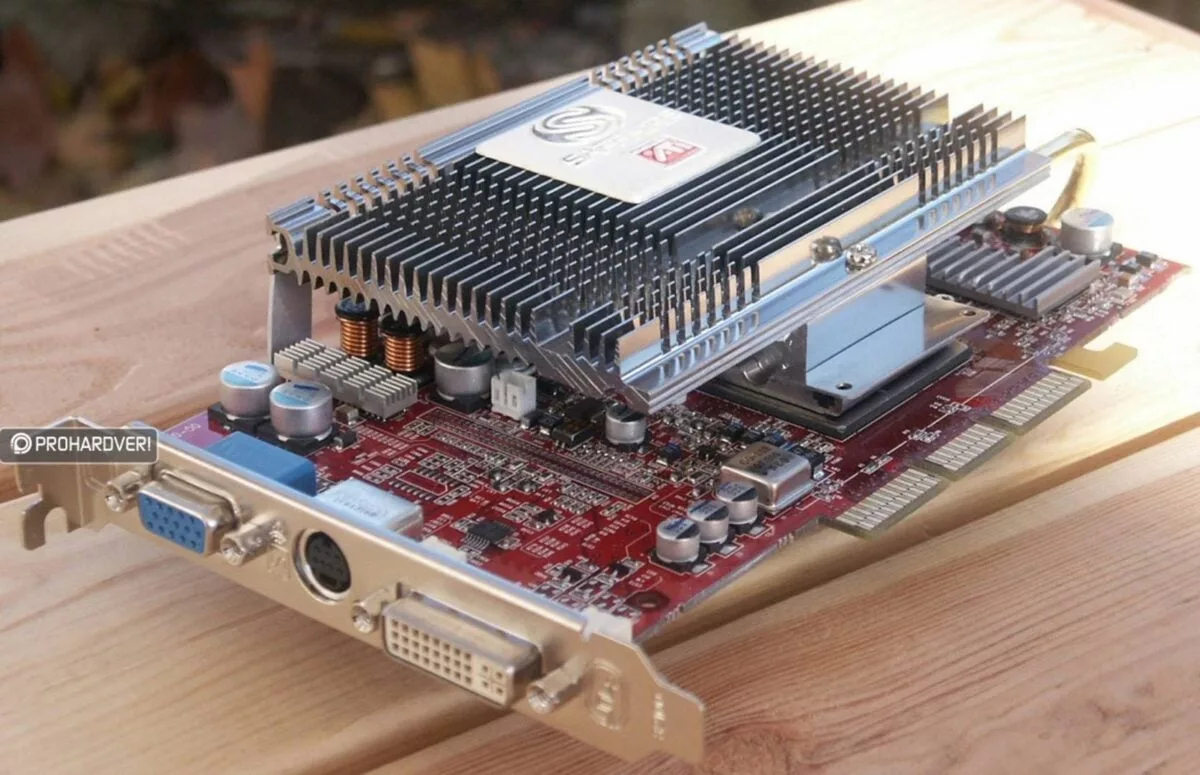
Founded in Hong Kong in 2001, Sapphire has established itself as a prominent manufacturer, particularly within the AMD ecosystem. The company was active during the era when ATi was still a separate entity, producing standout hardware like the passively-cooled Sapphire Atlantis Radeon 9800 Pro. Released in 2003, this card was a powerhouse for next-gen shader effects, outperforming Nvidia's top offerings of the time without the need for a fan.
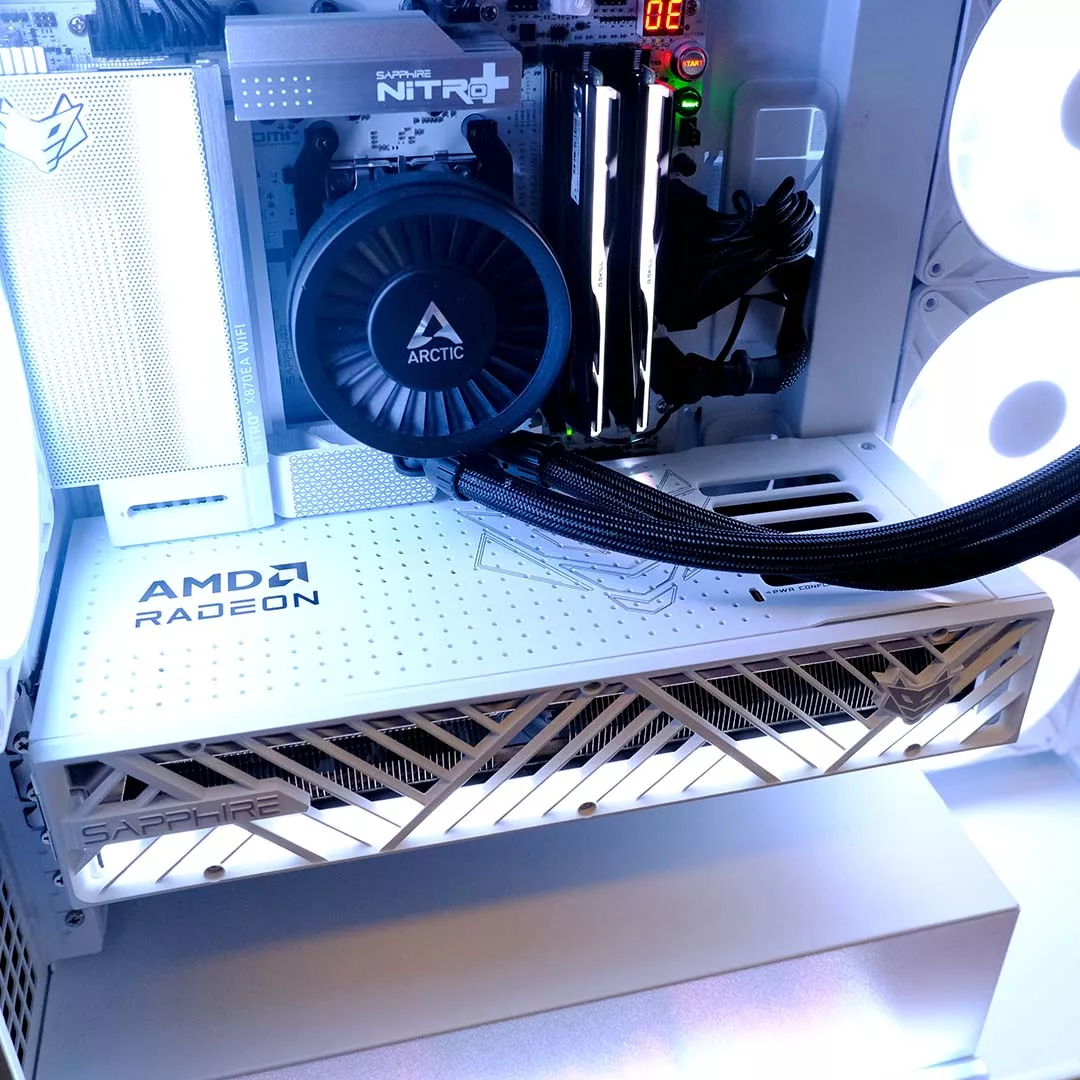
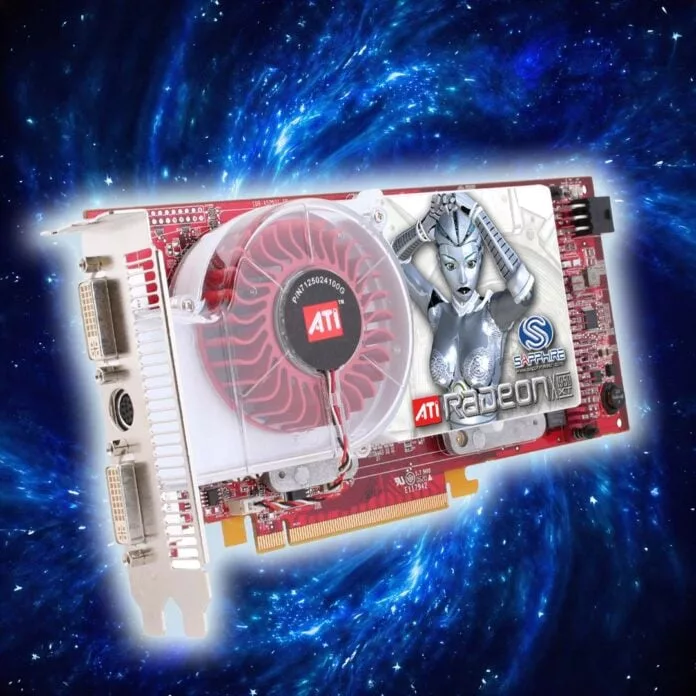
Cooling solutions have long been a cornerstone of the brand's identity. In 2005, the company introduced the Ultimate series, exemplified by the Sapphire X800 XL Ultimate. This series addressed the loud fan noise common in reference X800 XL cards by implementing a custom flower-shaped cooler from Zalman.
The company’s history is marked by several industry milestones:
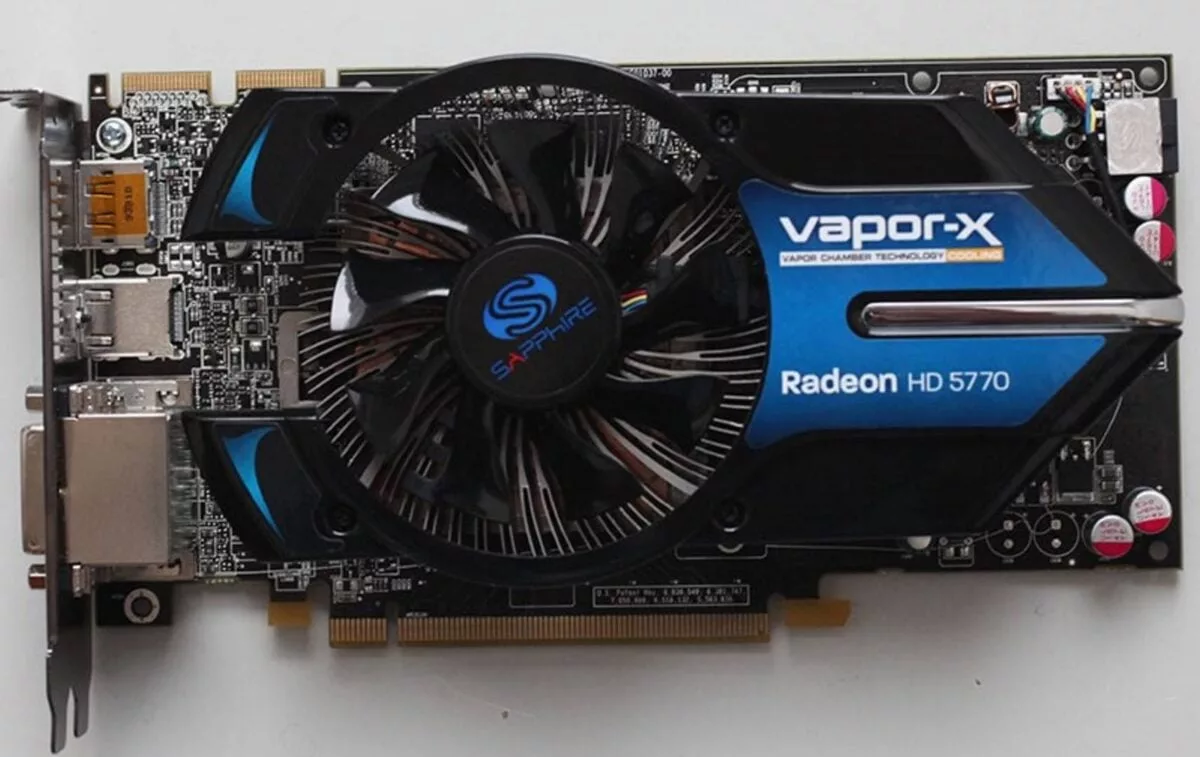
- In 2008, Sapphire was the first to mass-produce gaming graphics cards utilizing vapor-chamber cooling technology.
- The company released the first graphics card to achieve a 1,000MHz (1GHz) core clock with the Atomic Edition HD 4890.
Дурик
