

Resonance: A Plague Tale Legacy review – a competent action spinoff that loses what made its predecessors unique
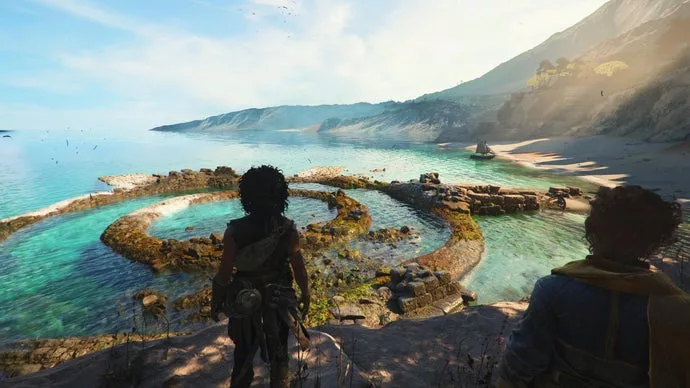
Resonance: A Plague Tale Legacy arrives as a bold, if flawed, attempt by Asobo Studio to pivot the beloved franchise from stealth and atmosphere into direct combat. Released on August 27th, 2026, this prequel follows Sophia, the mysterious figure who would later save Amicia in A Plague Tale: Requiem. While the game successfully introduces a scrappy, action-oriented fighting style that feels distinct from its predecessors, it ultimately struggles to maintain the series' unique identity. By stripping away the iconic rats and forcing players down a rigid, linear path, Resonance risks losing the very charm that made A Plague Tale: Innocence and Requiem stand out in a crowded market of action-adventure titles.
A Prequel That Finds Its Own Voice, Then Loses It
Resonance: A Plague Tale Legacy is not merely a continuation of the Plague Tale saga; it is a deliberate departure. Set 16 years before the events of Requiem, the game shifts focus from the siblings Amicia and Hugo to their childhood friend, Sophia. This narrative choice allows Asobo Studio to explore a different facet of the world: one where survival is less about hiding in shadows and more about standing ground.

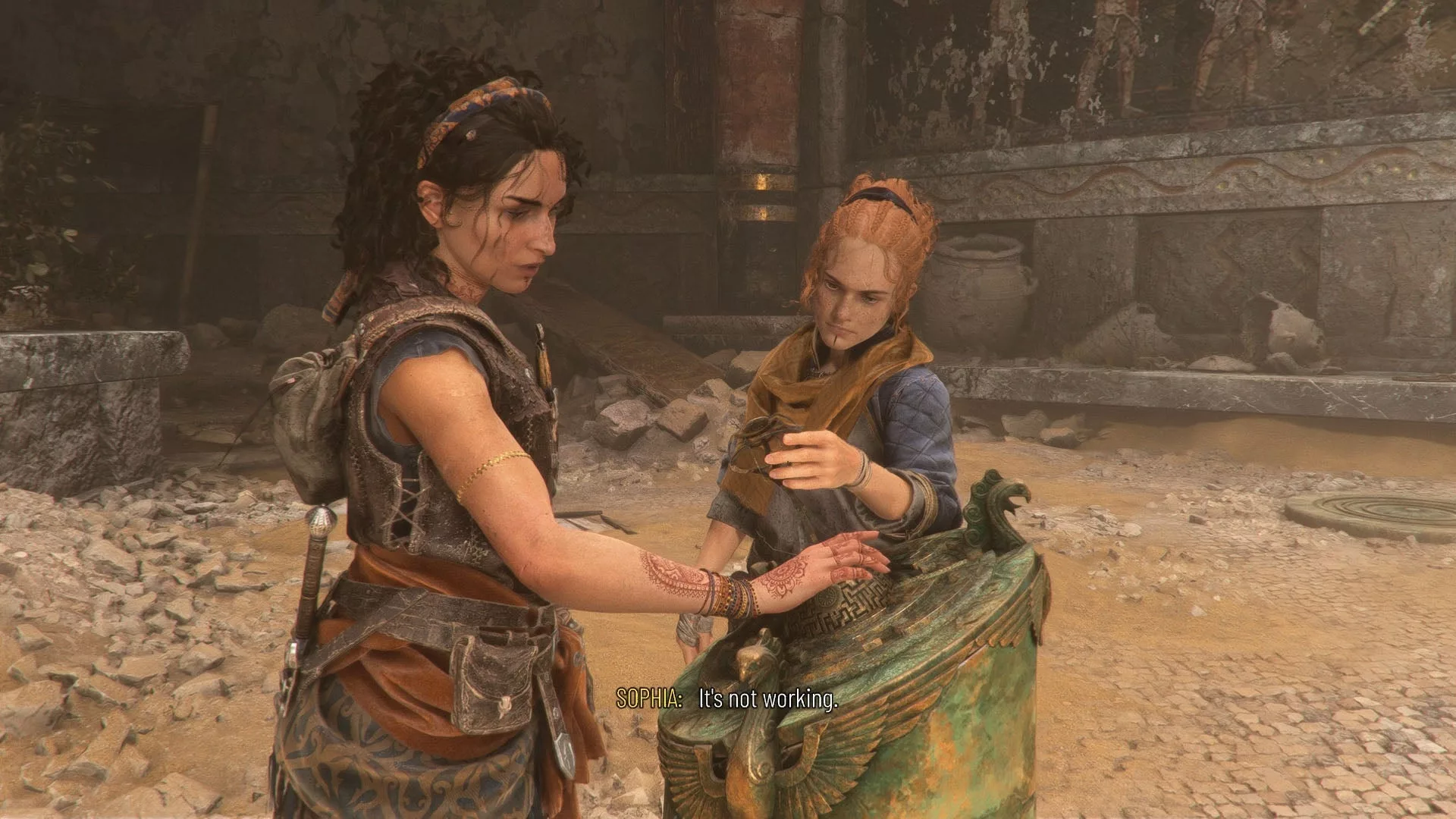
The premise is compelling on paper. Sophia, as a child, was kidnapped by the Inquisition and injected with a poison that grants her visions of a mysterious island. Her father, a smuggler leader, died searching for a cure and treasure there. Now, as a teenager, she must confront Faro, her father's successor, who continues these dangerous expeditions. The story is driven by Sophia's frustration with Faro's obsession and the mounting casualties in his quests. When he refuses to take her on an expedition due to her visions stopping, she decides to act alone.
This setup naturally leads to a shift in gameplay mechanics. The game abandons the stealth-heavy formula of its predecessors for a combat-focused experience. Sophia is trained by smugglers to wield a sword and knife, engaging enemies through parries, dodges, and environmental interactions. She can pick up bottles and knives from the environment to break enemy combos, use powerful kicks to boot foes into one another or over ledges, and absorb attacks with her blade.
Combat: A Scrappy Success
For a studio with no prior experience in making dedicated melee games, Asobo Studio has done an excellent job of defining a characterful fighting style. The combat feels scrappy and dynamic, reminiscent of titles like Sucker Punch's Ghost duology or Hellblade, though Sophia is markedly more flexible and agile than the protagonists in those games.
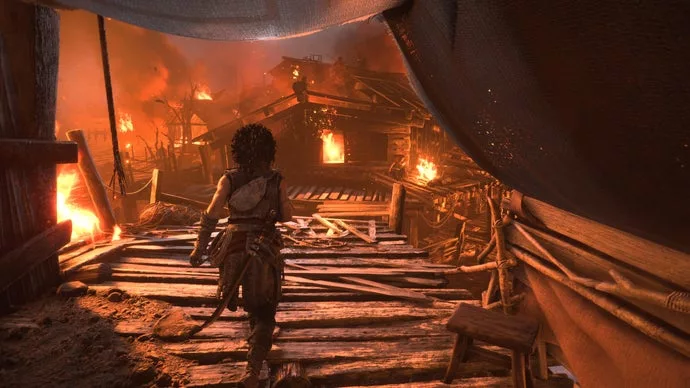
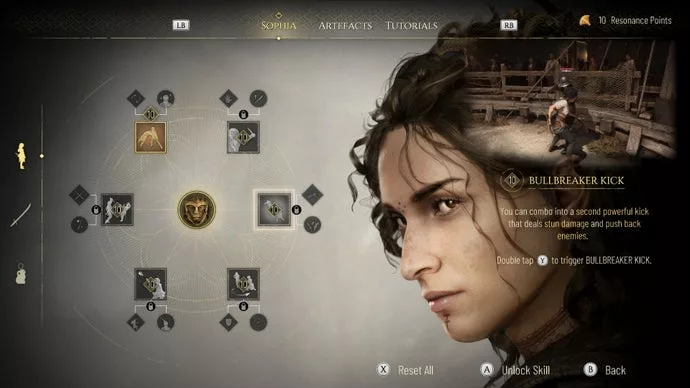
The core loop involves parrying attacks to create openings for your own strikes. Enemies have a poise meter, meaning they can be staggered with well-timed hits. The game offers a robust perk system where you find Resonance points hidden in the environment to upgrade abilities. You can invest these points into specialisms such as a double dodge that makes you almost invincible for its duration, or a riskier option that sees Sophia swing her blade to deal bonus damage as she spins on her heel.
Sophia's kick is particularly noteworthy. It can be followed up by a second strike, and booting enemies into scenery or one another easily opens them up to damaging charged stabs. Each skill has two options for mastery, allowing players to tailor their approach. For instance, you can opt for a shorter parry window for greater stun power, or expand your dodge capabilities. This flexibility is a welcome addition, offering meaningful improvements in different areas without forcing players down a single, lengthy skill tree.
The combat is bolstered by an appealingly boho perk system involving arm bands, beads, and bangles that might increase your chance of dodging incoming arrows or surviving fatal blows. These items are physically present throughout the game, adding a tactile layer to the progression system. It's a neat incentive to pick each area clean, encouraging thorough exploration even if the rewards feel somewhat optional.
The Shadow of Linear Design
Despite the strengths in combat, Resonance suffers from significant design choices that undermine its potential. The game attempts to fit in with the triple-A crowd by adding a parry mechanic and poise meters, but it does so at the cost of the open-ended exploration that defines the series.
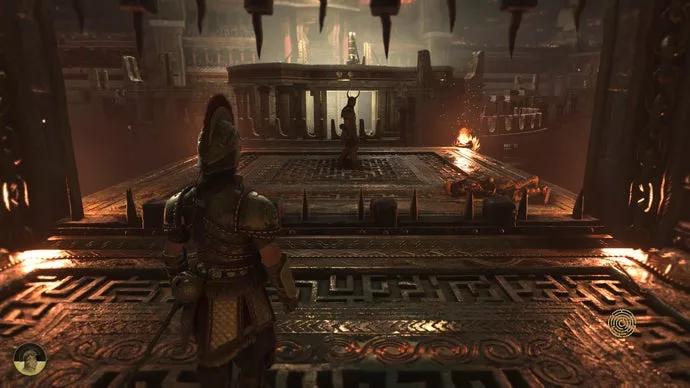
The world of Resonance is largely linear. At its best, the game feels like a rollercoaster, with the main path leading to fights, collapsing masonry, and gorgeous vistas. However, if you deviate from this ordained path, the world can become static and artificial. The lack of a map and a hint system that only gently nudges you in the right direction is reminiscent of old-school Tomb Raider games, but it also means players are often left lost or pleasantly stumped.
The game's structure forces players to stick to the main path. If you don't follow the signposting, you risk falling to your death and restarting ten seconds before the incident. This mechanic stamps out any desire to deviate from the path, even when it isn't a matter of life and death. The world feels wrong to explore because so little happens off the ordained path. Even if you avoid the awkward stumbling over ledges, you often end up seeing the world in its unexciting static state.
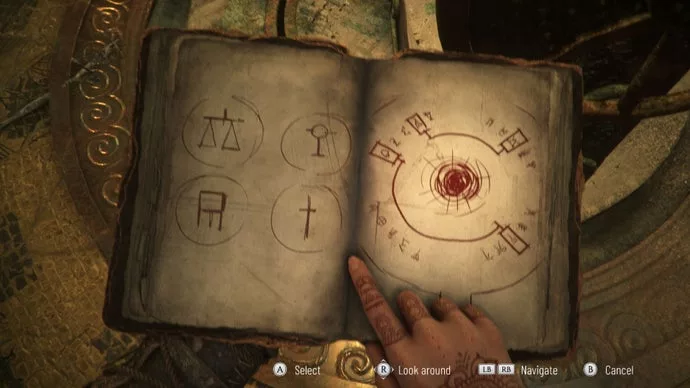
This linear focus throws a spanner into the narrative as well. A significant part of Sophia's story is that without her visions or the key she steals in Venice, the smugglers cannot progress through the island. Yet, throughout the game, no matter how deeply you explore the island, after solving a puzzle and opening a locked door, you'll find soldiers waiting for you. This design choice undermines the narrative logic, as it suggests that the smugglers' path is blocked by enemies despite the story implying they should be able to navigate freely.
Furthermore, the game's level design often contradicts its own storytelling. In one of the final stages, at a point when Sophia truly has progressed beyond where the soldiers can reach, she instead imagines soldiers to fight. The sheer volume of enemies encountered makes it difficult to track their motivation, leading some players to view Sophia as more of a villain than a hero.
A Loss of Identity Without the Rats
The most significant blow to Resonance's identity is the absence of its trademark rats. The first two Plague Tale games are elevated by excellent art and strong storytelling, but they are made unique by swarms of rodents that move like water. They pool in the darkness and part ahead of lamplight like lapping waves.
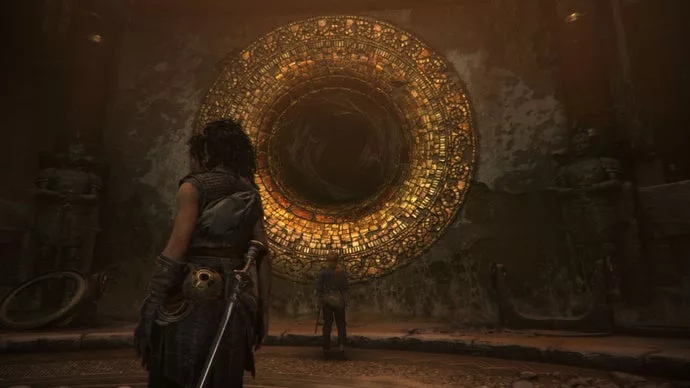
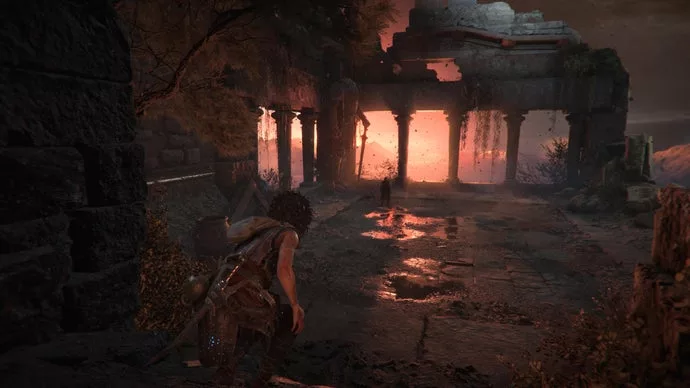
Asobo Studio wanted to tell different stories in this world and strike out into something new, opting for combat over stealth and showing off what they can do without resorting to the familiar. While understandable, the decision leaves Resonance as a much less distinct game than its forebears. The rats were not just enemies; they were an atmospheric element that defined the series' tone.
You do face a new enemy in the undercroft of the island, one that preys on you in the dark. While ghastly, it just doesn't capture the same grotesque skincrawling as the rats. The absence of these creatures means that Resonance loses a key component of its unique identity, becoming more of a generic action-adventure game rather than a Plague Tale experience.
A Competent Spinoff That Misses the Mark
In conclusion, Resonance: A Plague Tale Legacy is a competent action game that loses what made its predecessors unique. It successfully introduces a new protagonist and a combat-focused gameplay loop that feels fresh and engaging. The fighting style is scrappy and dynamic, offering players a variety of ways to approach encounters.
However, the game's linear design and the absence of its iconic rats prevent it from achieving the same level of immersion and atmosphere as Innocence or Requiem. The world feels static and artificial when players try to explore beyond the main path, and the narrative is undermined by level design choices that contradict the story's logic.
Resonance is a worthy addition to the Plague Tale universe, but it is not a replacement for the series' core strengths. It is a bold experiment that ultimately falls short of its potential, leaving players wondering what could have been if Asobo Studio had found a way to blend combat with the stealth and atmosphere that defined the franchise.
The game is available on Windows 10 and up via Steam, released on August 27th, 2026. For fans of the series who are looking for a new experience, Resonance offers a compelling story and engaging combat, but it may not satisfy those seeking the same atmospheric depth and open-ended exploration that made the original games so special.
Зануда
