

Pimax Dream Air review: Stunning visuals, poor tracking
The Pimax Dream Air offers the best visual fidelity and comfort in VR, but its inconsistent controller tracking and high price tag hold it back from being the definitive headset.
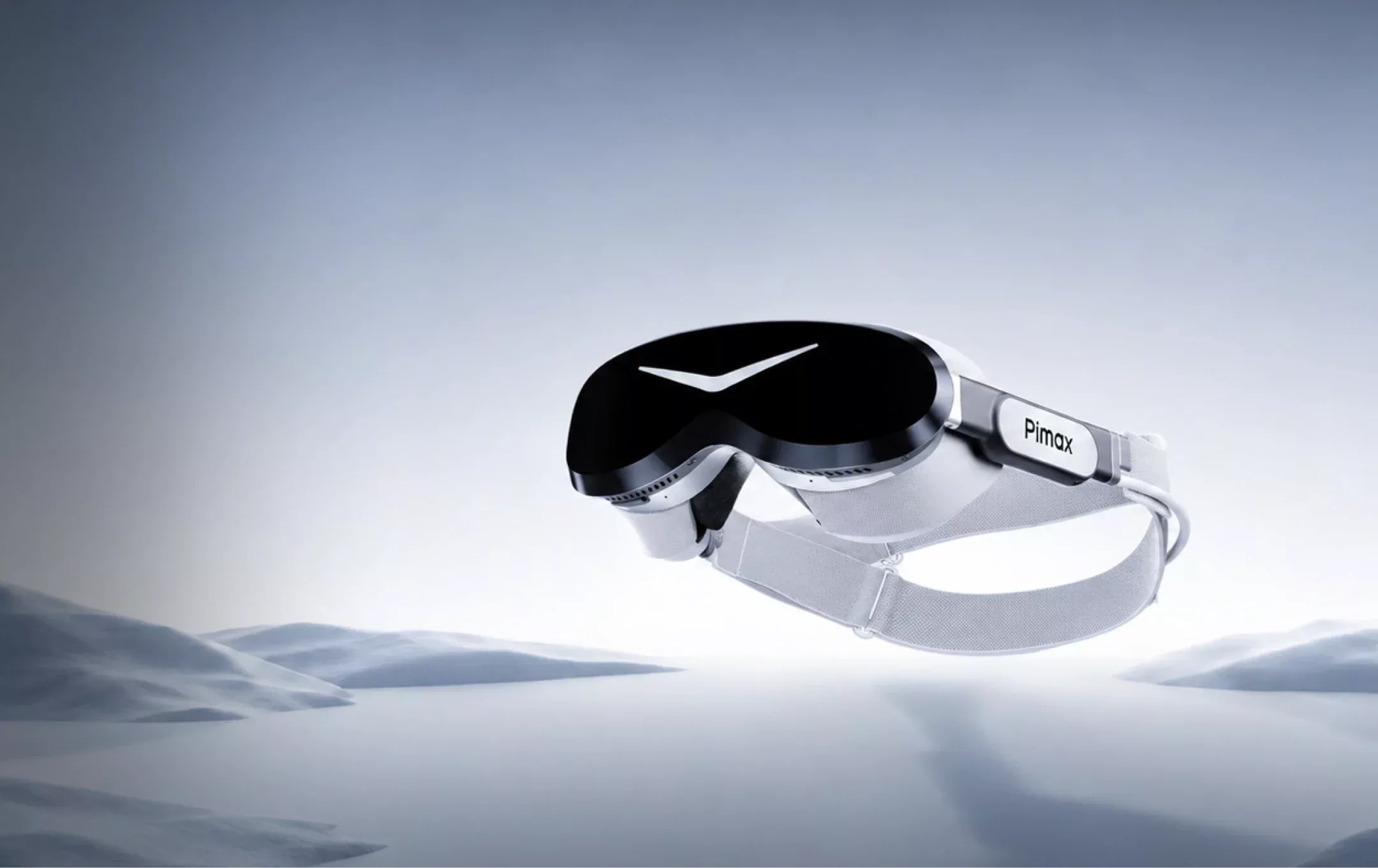
The Pimax Dream Air represents a significant leap in standalone VR visual fidelity, pairing dual Sony Micro-OLED panels with a compact pancake lens system to deliver the sharpest image quality currently available in the market. While its lightweight design and exceptional binocular overlap offer superior comfort and immersion compared to bulkier competitors, the headset is held back by inconsistent controller tracking and extreme hardware demands that require a high-end PC to function optimally.
For years, the virtual reality landscape has been defined by a trade-off between immersion and practicality. Headsets that offered high-resolution visuals often suffered from bulky designs, poor ergonomics, or demanding performance requirements that made them difficult to use for extended periods. The Pimax Dream Air attempts to resolve this dichotomy by leveraging the latest advancements in display technology and optical engineering. It is not merely an incremental update to the Pimax lineup but a distinct shift in form factor, resembling ski goggles more than the traditional, heavy VR rigs of the past. This review examines whether the visual and ergonomic improvements justify the premium price point and the specific hardware constraints imposed by the device.
Optical Performance and Display Quality
The core selling point of the Dream Air is its display technology. It utilizes two 1.35-inch Sony Micro-OLED panels, specifically the ECX344A model, which are manufactured directly onto silicon substrates. This construction allows for a pixel density of 3,389 pixels per inch, a figure that dwarfs the 163 PPI found on a standard 27-inch 4K monitor. The result is a resolution of 3840 x 3552 per eye, totaling over 27 million pixels. In practical terms, this eliminates the screen door effect entirely and renders text and fine details with a clarity that is startling when compared to LCD-based competitors like the Meta Quest 3.
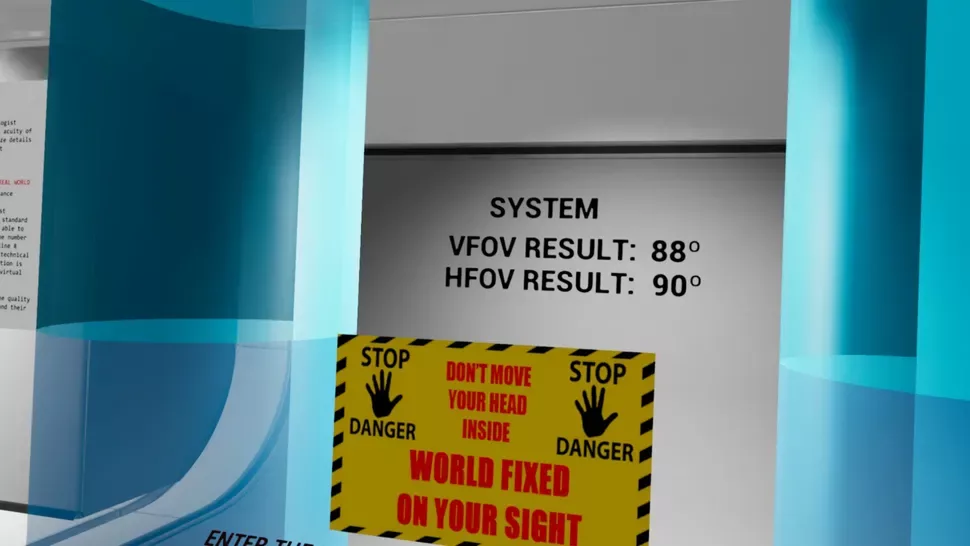
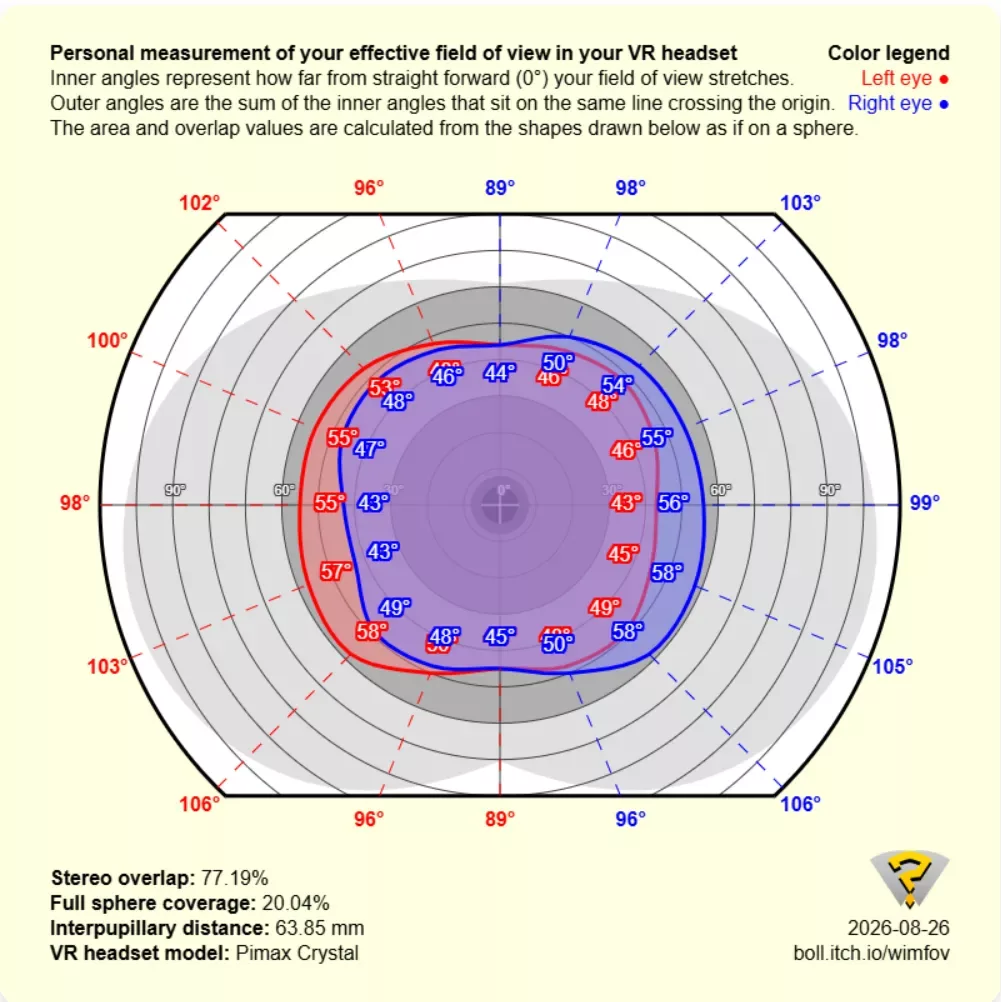
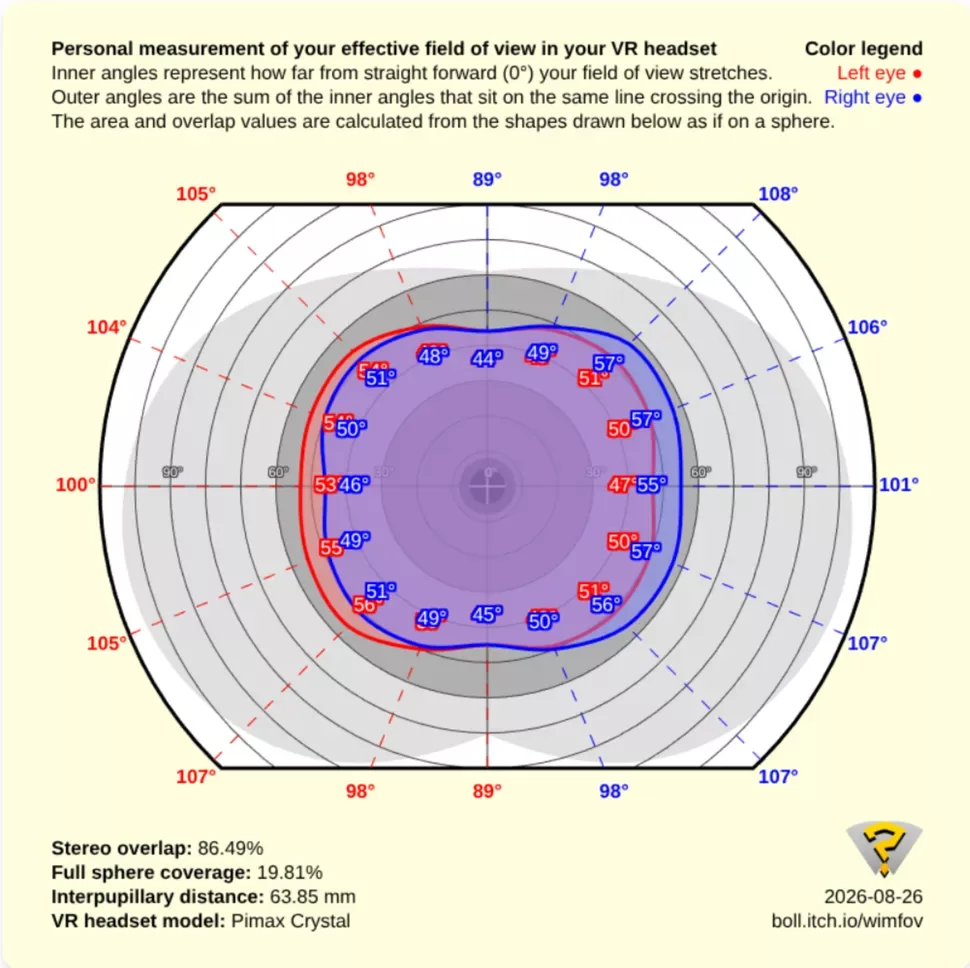
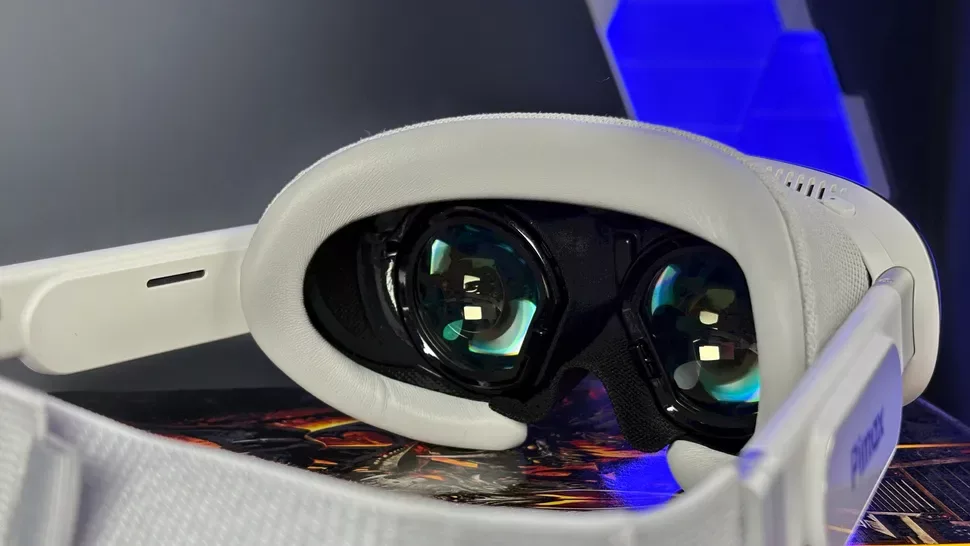
The optics are housed within a concave pancake lens system, which Pimax refers to as 'ConcaveView'. This design allows the headset to maintain a compact profile while achieving a horizontal field of view (FOV) of approximately 110 degrees. While this is not the widest FOV available—the Pimax Crystal Super with QLED displays offers up to 140 degrees in ultrawide mode—it is sufficient for most gaming scenarios. More importantly, the Dream Air achieves an 86% binocular overlap. This metric indicates the percentage of the frame that is shared between both eyes, which is critical for reducing eye strain and enhancing the sense of immersion. By comparison, the Quest 3 sits at 69%, a difference that is noticeable in long sessions. The high overlap on the Dream Air means the brain can more easily blend the two images into a single, cohesive view, resulting in a more comfortable and convincing VR experience.
In darker environments, the Micro-OLED panels shine. The deep blacks and high contrast ratio create an atmospheric depth that LCD panels simply cannot match. Testing with titles like Half-Life: Alyx reveals a significant difference in vibrancy and immersion. The Quest 3 can appear washed out and jittery by comparison, whereas the Dream Air presents the game world with a level of detail that feels closer to the developers' intent. The only minor optical drawback is a slight increase in visible glare compared to traditional aspheric lenses, a common trait of pancake optics, though it is less pronounced than on the Quest 3.
Ergonomics and Comfort
One of the most immediate impressions of the Dream Air is its size and weight. At approximately 170 grams, it is significantly lighter than the Pimax Crystal Super, which weighs around 600 grams. This reduction in mass is not just a numerical improvement; it fundamentally changes the wearing experience. The headset feels less like a piece of industrial equipment and more like a wearable accessory. The compact design reduces the pressure on the face and head, making it suitable for longer gaming sessions without the fatigue associated with heavier headsets.
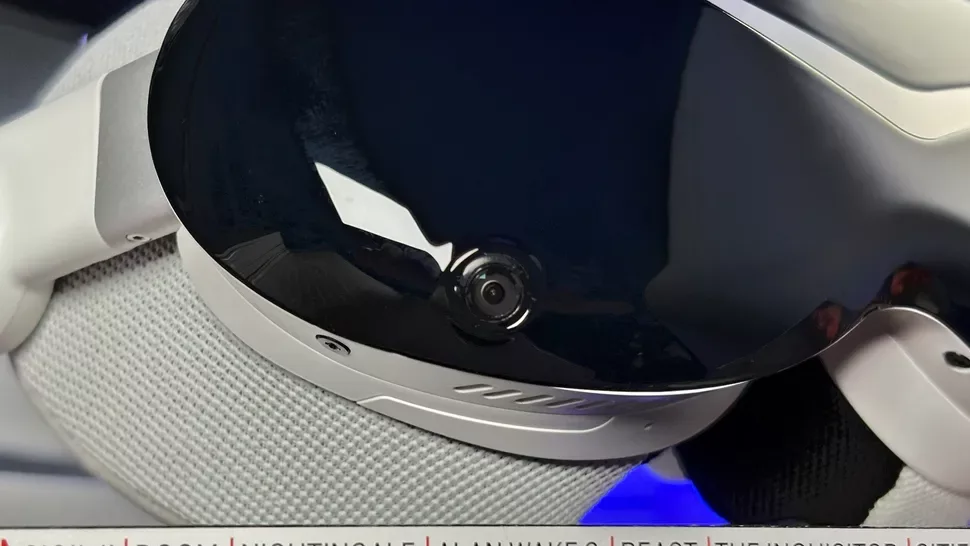
The strap design is functional, featuring two speakers nestled into the sides, similar to the Quest lineup. While the audio quality is decent, it is the only audio option available without running an additional cable, as the headset lacks a 3.5mm jack. The tethered cable system is designed for balance, with two cables combining into a single, flexible four-meter cable that connects to a breakout box. This box requires USB 3.0 and DisplayPort connections from the PC, as well as power from a supplied adapter. The setup is straightforward, though the presence of a tether is a reminder that this is a PC-tied device, not a standalone one.
There is one ergonomic caveat: the strap has a sharp edge where it terminates at the speaker housing. While this can be mitigated by adjusting the position of the headset, it slightly limits the range of comfortable positioning. Additionally, the headset does not leave much room for glasses, which may be a dealbreaker for users who require corrective lenses. However, for those who do not wear glasses, the high binocular overlap and comfort make it a compelling option for extended use.
Tracking and Controllers
Here, the Dream Air faces its most significant criticism. The headset uses inside-out tracking, which Pimax calls SLAM, supported by four cameras positioned to cover the area in front, below, and above the headset. While this system is sufficient for basic movement, it lacks the precision and consistency of competitors. The included controllers, which are identical to those bundled with the Crystal Super, feature a halo design around the hand, four buttons, a trigger, a grip button, and a thumbstick. They are rechargeable via USB Type-C, a welcome improvement over AA batteries, but the tracking performance is where the experience falls short.
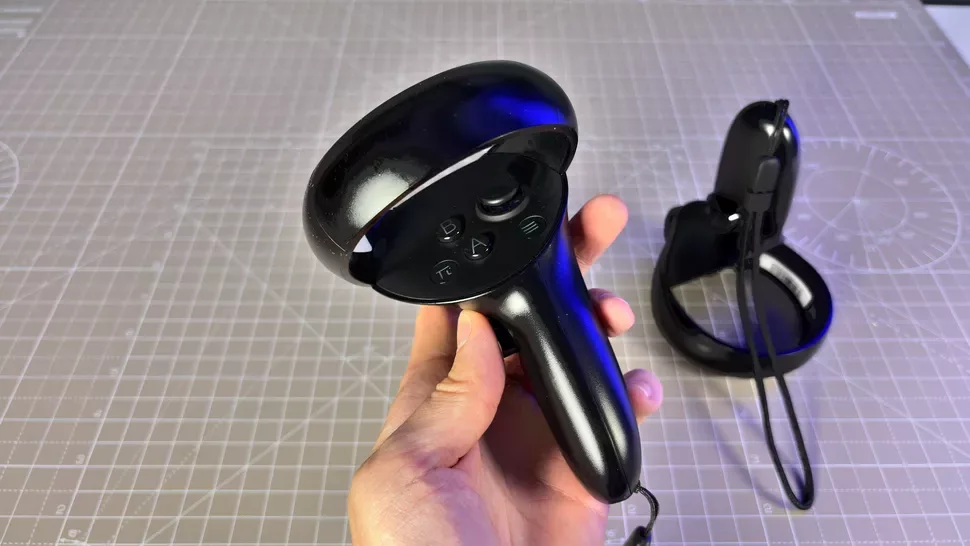
In games that require precise hand movements, such as Blade and Sorcery or Eleven Table Tennis, the tracking can feel inconsistent. Hands may jitter, wobble, or become unresponsive, particularly at the extremes of movement, such as raising hands above the head or reaching down to the waist. This issue is less noticeable in slower-paced games or those with less demanding control schemes, but it is a significant drawback for fast-paced action or sports titles. By comparison, the Quest 3 offers more reliable and responsive tracking, making it the preferred choice for games that require dexterity. The Dream Air is best suited for experiences where controller precision is less critical, such as flight simulators, racing sims, or immersive narrative games.
The headset also supports eye tracking, which can be configured in the Pimax Play application. This feature is essential for games that support foveated rendering, such as DCS World, which uses Quad Views rendering to optimize performance. The eye tracking feels snappy and responsive, adding another layer of immersion and efficiency to the experience. However, the integration of eye tracking with various games can be inconsistent, requiring some tinkering to achieve optimal results.
Software and Performance Requirements
The Pimax Play application serves as the central hub for configuring the Dream Air. It is a Spartan, minimal-bloat interface that provides access to essential settings such as IPD adjustment, firmware updates, and controller pairing. More advanced settings, including render scale, sharpening, and upscaling options, are tucked away in the device and advanced settings menus. These settings are crucial for balancing performance and visual fidelity, especially given the high resolution of the display.
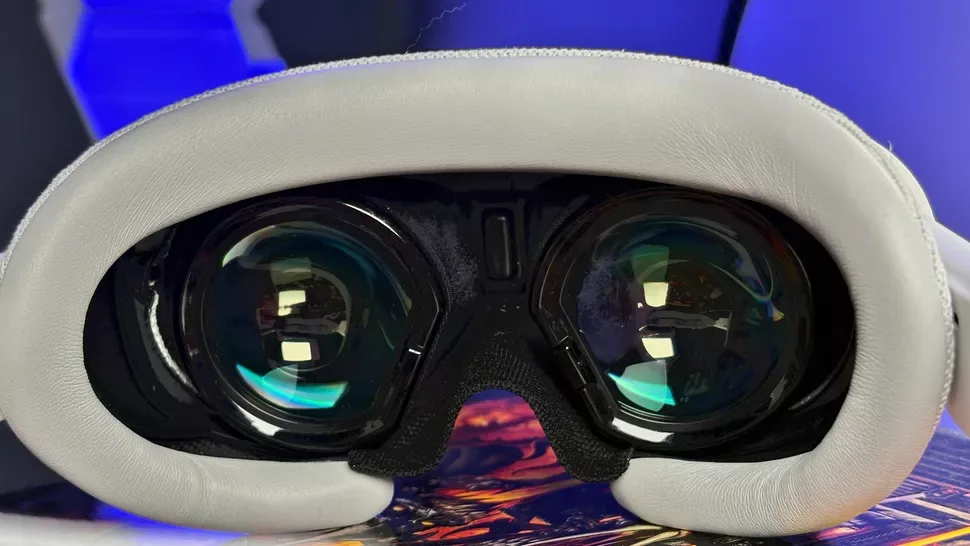
The Dream Air is an extremely demanding piece of hardware. With over 27 million pixels to render, it requires a high-end graphics card to maintain smooth frame rates. Even an RTX 5080 can struggle in demanding titles, necessitating the use of render scaling, sharpening filters, and upscaling technologies like FSR or NIS. Dynamic Foveated Rendering (DFR) is supported through the eye tracking feature, which can significantly improve performance by reducing the rendering load in peripheral vision. Center Rendering is another option, which maintains high resolution in the center of the field of view while reducing quality at the edges. These tools provide flexibility, but they also highlight the fact that the Dream Air is not a plug-and-play solution. It requires a powerful PC and a willingness to tweak settings to achieve the best experience.
The software experience is functional but could benefit from better signposting. Understanding how the various settings interact and what they depend on can be a learning curve. VR remains a complex ecosystem, and the Dream Air is no exception. However, for those who are willing to invest the time, the results are worth it. The combination of high resolution, eye tracking, and advanced rendering options allows for a level of visual fidelity that is unmatched in the current VR market.
Value and Conclusion
The Pimax Dream Air is priced at $2,299, a figure that sets very high expectations. It is not a cheap headset, and it is not intended for the casual VR user. It is a premium device for enthusiasts who prioritize visual fidelity and comfort above all else. The price is justified by the superior display technology, the compact design, and the advanced features like eye tracking and high binocular overlap. However, the tracking issues and the extreme hardware requirements are significant drawbacks that must be considered.
Compared to the Pimax Crystal Super, the Dream Air offers a similar visual experience in a much more comfortable and lightweight package. It is the clear choice for those who find the Crystal Super too bulky. Compared to the Meta Quest 3, the Dream Air offers superior visuals and comfort but lacks the standalone capability and has inferior tracking. It is a specialized tool, best suited for PC-tied VR experiences where visual quality is the primary concern.
In conclusion, the Pimax Dream Air is a remarkable piece of hardware that pushes the boundaries of what is possible in VR. It offers the best visual experience currently available, with a level of clarity and immersion that is hard to match. However, it is not without its flaws. The tracking is inconsistent, the hardware requirements are extreme, and the price is steep. For the right user, though, it is a compelling option that delivers a level of VR experience that is truly next level. It is a headset that makes you say 'wow' out loud, a testament to the power of Micro-OLED technology and the potential of VR as a medium.
Зануда
