
NVIDIA shows updated DLSS 5 in Hogwarts Legacy
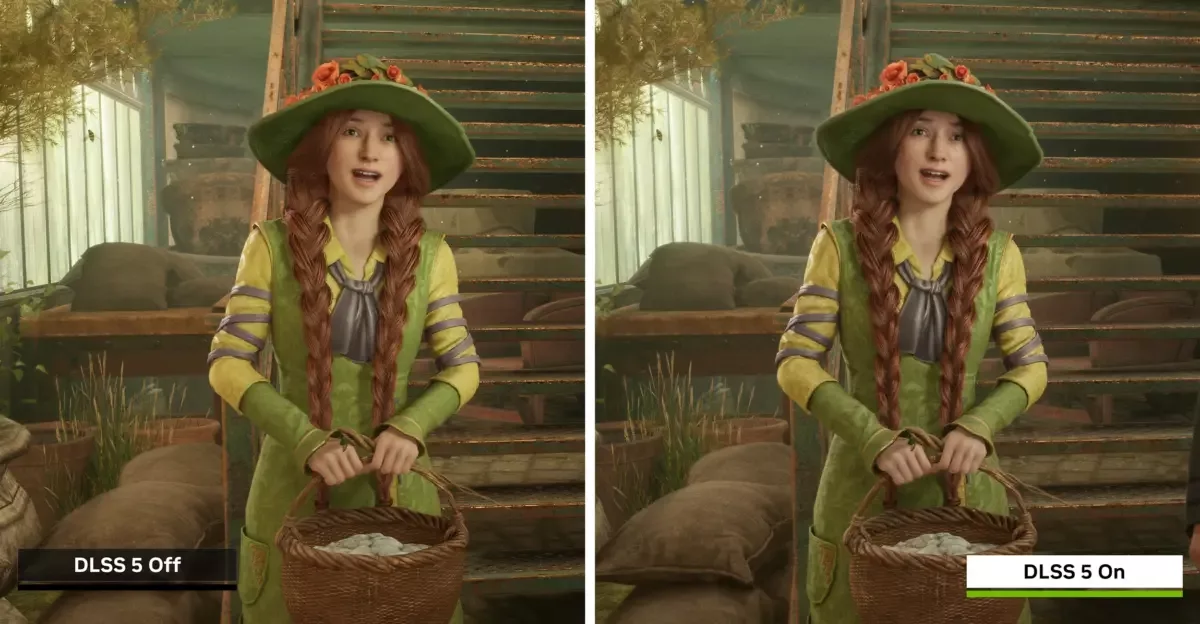
NVIDIA has confirmed the next wave of games receiving DLSS 5 support. Following its September debut in NBA 2K27, the technology is set to arrive in Hogwarts Legacy and Where Winds Meet. Additionally, DLSS 5 will be integrated into RTX Remix, enabling modders to apply neural rendering to legacy PC titles.
Hogwarts Legacy and Neural Rendering Improvements
An update for Hogwarts Legacy is scheduled for November 5. DLSS 5 support will be available for GeForce RTX 50 Series GPUs, RTX Spark laptops, and via GeForce NOW. Alongside the new feature, Avalanche Software will upgrade the game's existing DLSS technologies to their latest versions.
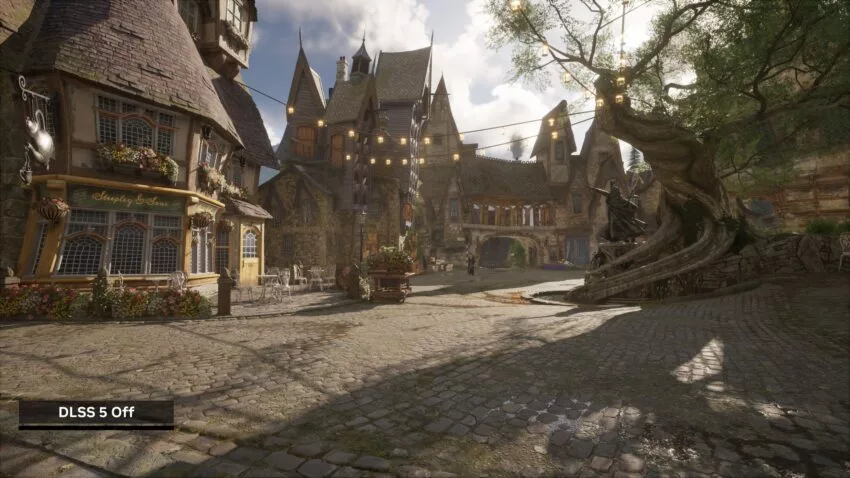
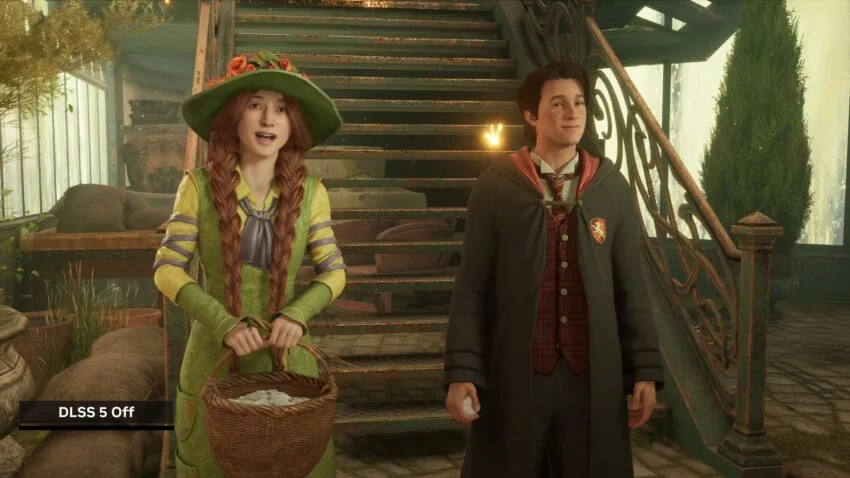
The core of DLSS 5 is 3D-Guided Neural Rendering, which modifies lighting and material appearance by leveraging game engine data. The model processes the rendered image in conjunction with geometry, textures, and lighting information. This allows developers to control which specific objects receive additional effects and how intensely they are applied, ensuring the game's intended visual style is preserved.
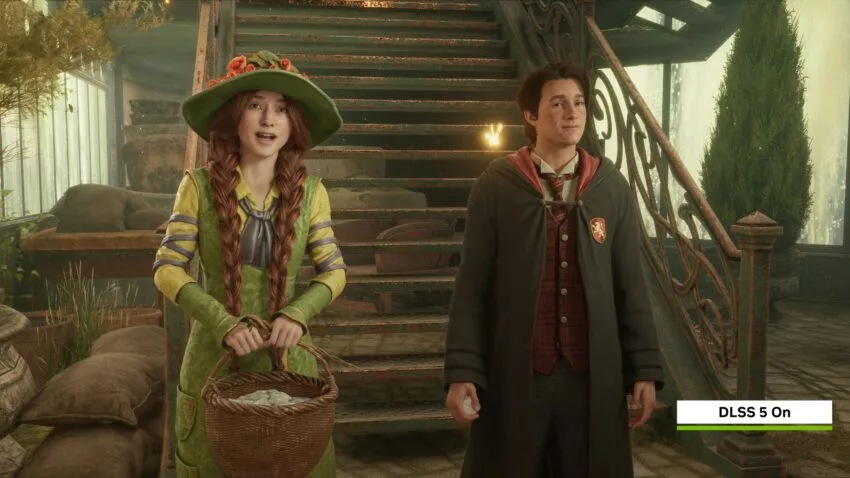
Notably, the latest Hogwarts Legacy demonstrations look significantly different from NVIDIA’s initial showcase in March. The new comparisons show much less aggressive changes to character faces; facial features now appear much closer to the game's original rendering, whereas the March demo featured highly noticeable and heavy transformations in facial details.
Where Winds Meet and RTX Remix Integration
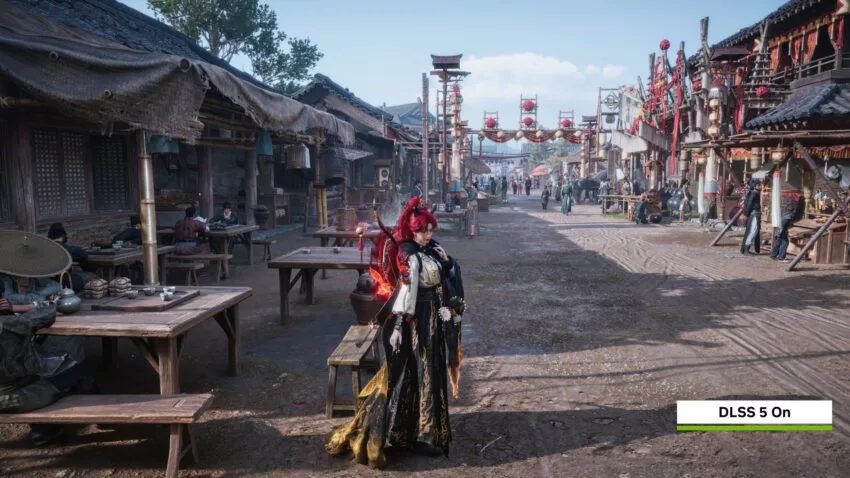
Where Winds Meet, developed by Everstone Studio, will receive DLSS 5 support in late November. The game currently supports DLSS Multi Frame Generation and Super Resolution. While NVIDIA has released comparison images showcasing the upcoming neural rendering implementation, an exact release date for the feature has not been provided.
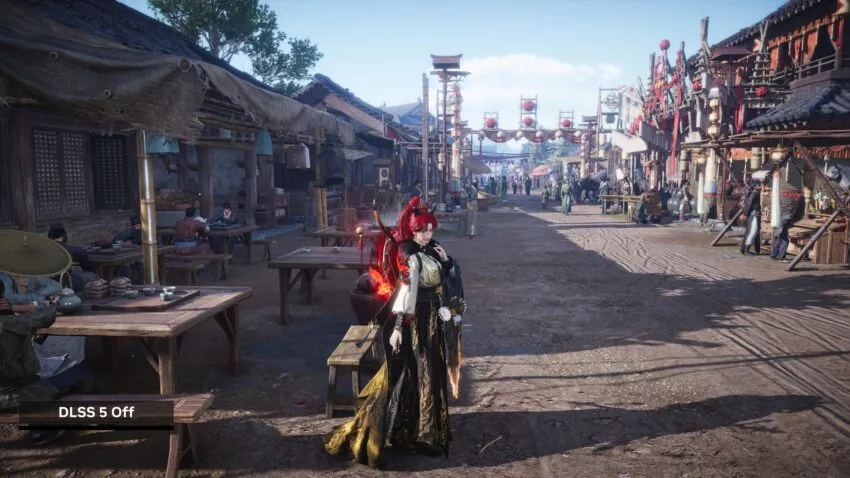
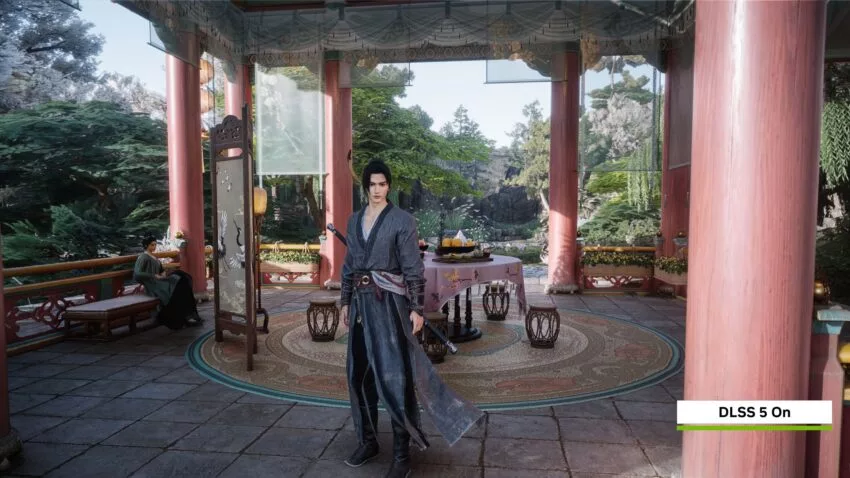
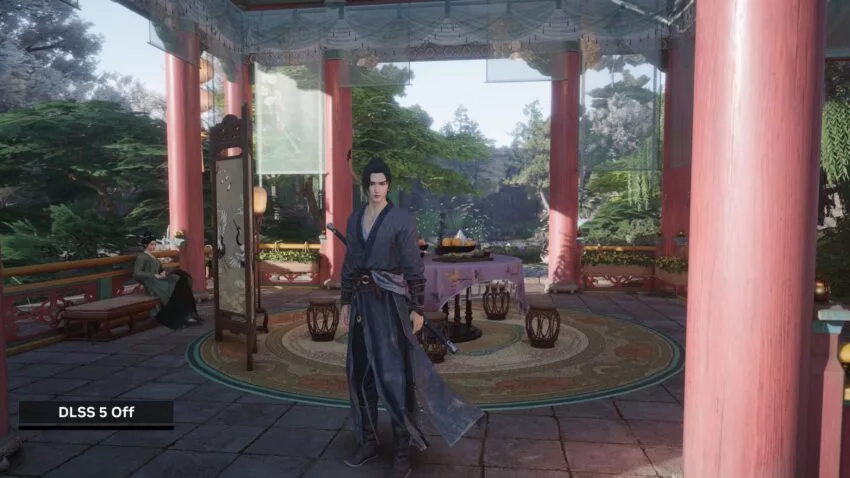
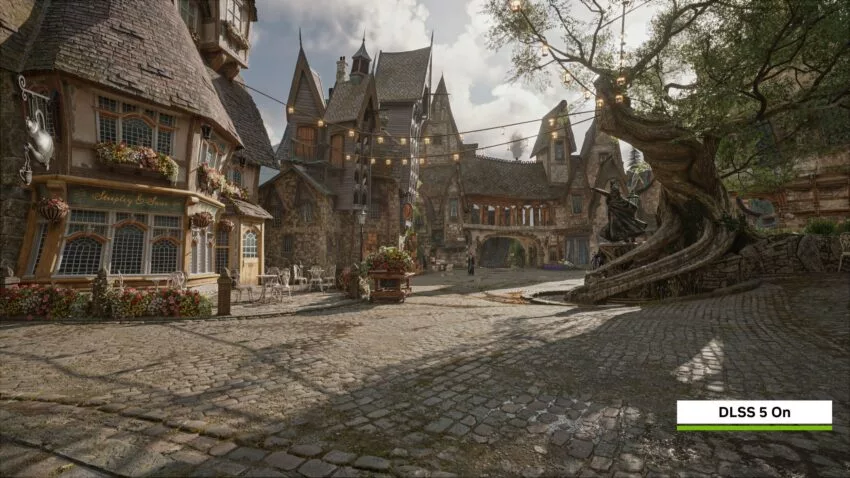
RTX Remix will receive its DLSS 5 update on October 23. This update includes the revised Neural Rendering model and a new Frame Generation Performance Mode. Through the RTX Remix runtime and toolkit, modders will be able to configure DLSS 5 with controls for individual objects, visual effects, and scene masking.
NVIDIA also demonstrated the technology using two community-driven projects: Fallout 4 RTX (by Sparkles/Kim2091) and Mirror’s Edge RTX (by SoftSoundd). The Fallout 4 demo focuses on helmet reflections and material details, while Mirror’s Edge highlights changes to contact shadows and ambient occlusion. Both mods are still in development, and no official release dates have been announced.
Гика
