
Nvidia DLSS 5 benchmarks show 48% frame drops and high power draw
Independent testing of leaked Nvidia DLSS 5 implementations suggests the upcoming neural rendering technology may impose significant performance and power penalties, according to benchmarks from Tom's Hardware. The results, gathered from unofficial modded builds, indicate substantial frame rate drops and increased power consumption on high-end hardware ahead of the feature's official launch on September 3.
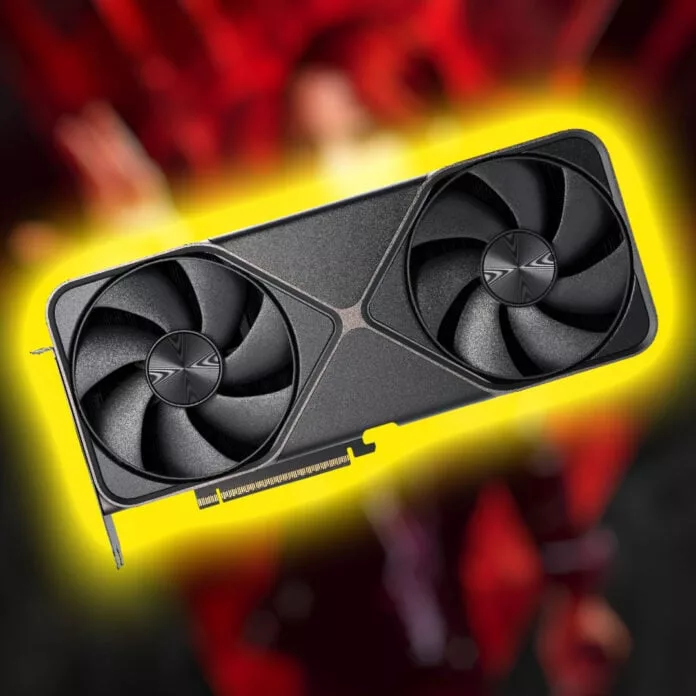
The tests focused on the GeForce RTX 5090, comparing the reference Founders Edition with the water-cooled MSI Lightning Z. While Nvidia DLSS 5 is set to debut officially in NBA 2K27, the technology has already appeared in various titles through early access builds and community modifications. These unofficial implementations lack developer optimization, meaning the results do not represent the final performance profile of the feature. However, they provide an early indication of the computational overhead associated with neural rendering.
In Hogwarts Legacy, running at 4K resolution with maximum settings and full ray tracing, the performance impact was pronounced. Without Nvidia DLSS 5, both cards maintained average frame rates between 121 and 124 fps. Enabling the neural rendering feature caused frame rates to collapse to 63 fps on the Founders Edition and 73 fps on the Lightning Z. This represents a drop of up to 48% in performance. The power draw also increased significantly, with the MSI card consuming up to 50% more power, while the Founders Edition reached its maximum power limit.
The MSI Lightning Z operates with a higher boost clock of 2,775 MHz compared to the 2,407 MHz of the reference design. Its water-cooling system provides additional thermal headroom, and its dual 12V-2×6 connectors support up to 1,000 W of power delivery, whereas the Founders Edition is limited to 575 W. Despite these hardware advantages, the performance penalty remained substantial.
Testing in Control with path tracing enabled showed similar trends. Average frame rates decreased by 42% on both cards. Power consumption rose by 13% for the MSI model, reaching a total of 802 W, while the Founders Edition hit its 575 W power ceiling. In Cyberpunk 2077, frame rate drops ranged from 39% to 42%, accompanied by power consumption increases of 14% and 25% across the two models.
It is crucial to note that these figures are derived from unofficial implementations and modded DLLs. They do not reflect the optimized code that will ship with NBA 2K27 or future titles. The official release on September 3 will provide the first accurate assessment of Nvidia DLSS 5 performance and efficiency. Until then, these benchmarks serve as a preliminary warning about the potential resource costs of neural rendering, rather than a definitive verdict on the technology's final state.
Гика
